It is obvious that the packaging world is taking sustainability in packaging — as well as operations — seriously. The numerous brands, retailers, suppliers and packaging companies that continue to change practices as well as offer lighter, recycled or reusable materials attest to it. But is it enough?
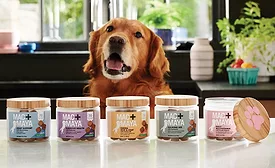
The recent recall of select canned dog food, as well as other pet food, has again put consumers on alert. In January alone, the U.S. Food and Drug Administration announced seven recalls — 15 if you count December 2018. In fact, 60 percent of pet parents are concerned about the safety of pet food, reports Packaged Facts (packagedfacts.com).
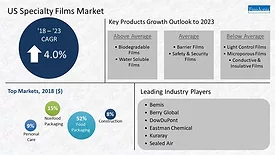
Demand for biodegradable plastic film is expected to climb 5.4 percent yearly to $122 million in 2023. Food packaging will remain the dominant market for biodegradable films.
Growing desire to reduce the depletion of natural resources, non-renewable energy sources and rainforests is pushing manufacturers toward more environmentally friendly packaging solutions.
Mike Seidman has joined Flexible Pack as Vice President of Operations, where he will responsible for all manufacturing, purchasing and supply chain efforts.
Success in the packaging industry during the next 10 years will hinge upon building a deep understanding of and connection to the empowered consumer. As consumers place an increasing value on choice, control, convenience and experience, retailers will need to embrace disruptive technologies and novel approaches to manufacturing.
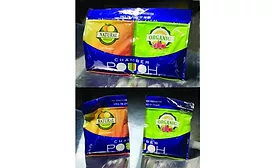
LCA case study shows flexible standup pouches have an overall favorable outcome in terms of fossil fuel usage, greenhouse gas emissions, water consumption, and materials landfilled than a rigid HDPE bottle
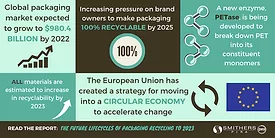
Growing pressure from consumers and governments are pushing brand owners towards using recyclable packaging. Smithers Pira pinpoints five trends that are helping to boost the market.