Scotch & Soda Partner with Tipa to Integrate Compostable Packaging in Supply Chain
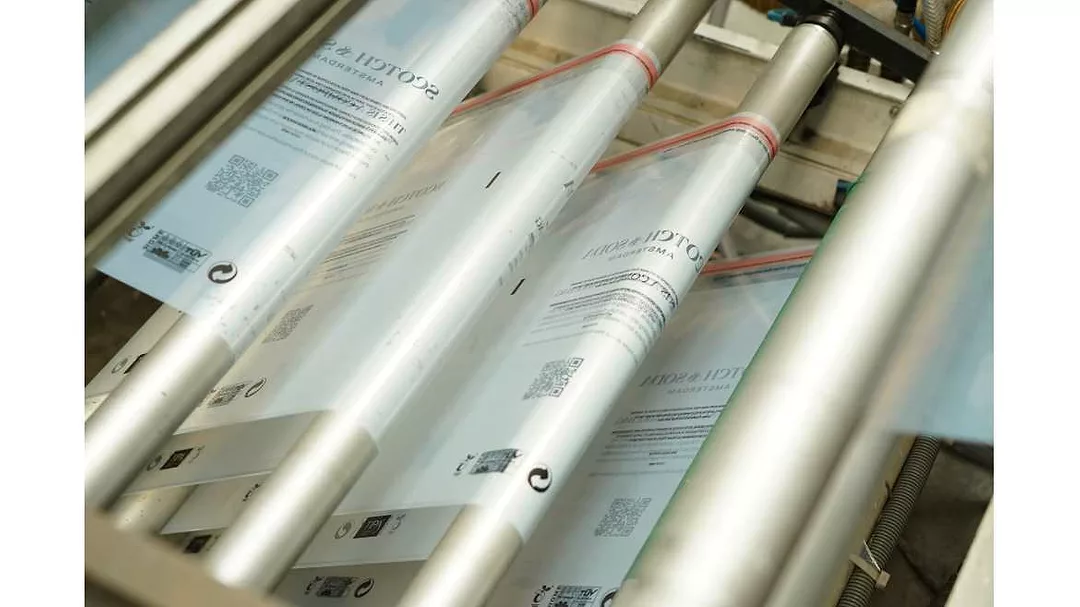
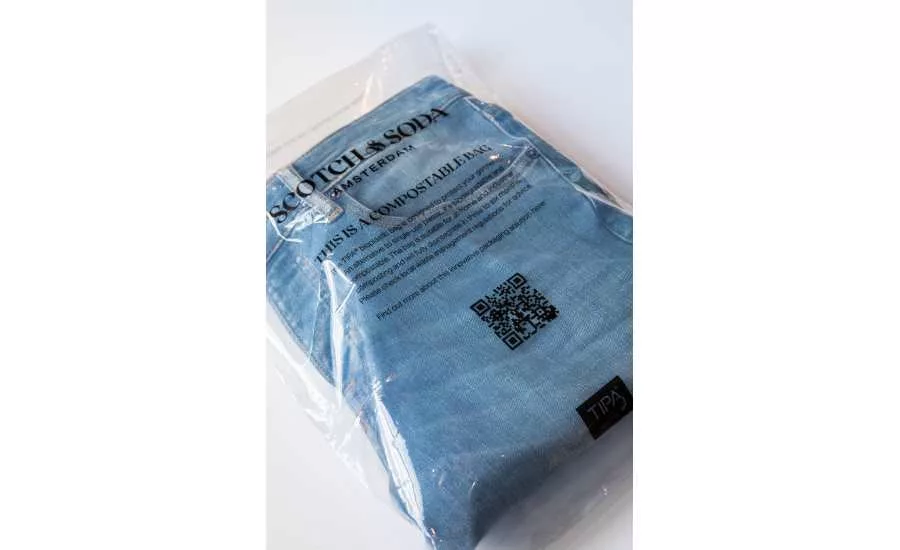
Amsterdam-based fashion brand Scotch & Soda announced its partnership with TIPA, a company that creates compostable and biodegradable packaging solutions. The integration of bioplastic TIPA bags is part of Scotch & Soda’s aim to step away from conventional plastic polybags for all product categories by 2025, supporting the brand’s sustainability mission to contribute to environmental protection.
In 2022, a minimum of one million of Scotch & Soda’s garments will be packed in TIPA bioplastic bags. For Spring and Summer, the first two collections of the year, TIPA bags will represent 21% of the total product packaging and will be used for high volume items, such as T-shirts, jeans, sweatshirts, sweaters and shirts — throughout menswear, womenswear and kidswear.
Fashion labels package their finished garments to protect them from water, handling and transportation in order to make sure customers receive their orders in the best possible condition. Polybags made of Polyethylene (PE) — a polymer derived from fossil fuels — were traditionally the best packaging option, as they offer maximum protection. However, an average of 58%1 of global non-fibre plastic consumption ends up in landfill and natural ecosystems, taking hundreds of years to break down and leaking potentially toxic substances into water and soil.
TIPA’s innovative packaging solutions offer the same level of protection as conventional polybags but are less dependent on fossil fuels and allow for composting at end of life, as opposed to landfill and incineration only. Bio-based plastics are made either wholly or partially from renewable biological resources, such as sugar cane or corn starch. By increasing the use of these renewable feedstocks, Scotch & Soda aims to reduce its reliance on fossil-based resources.
Daphna Nissenbaum, CEO & co-founder of TIPA says, “Consumers are more educated than ever about the impact of plastic packaging waste, and numerous studies we have conducted across Europe show that they have come to expect compostable packaging from the companies they purchase from. TIPA is proud to be able to offer a solution for Scotch & Soda that will protect their garments while degrading safely into compost after use.”
Jelle de Jong, Scotch & Soda’s sustainability director, says, “We believe there is room for improvement when it comes to the implementation, collection and composting of bioplastic packaging in the fashion industry. By working together with TIPA and local waste processors, we hope a product traditionally considered as waste will through the composting process return nutrients to the soil.”
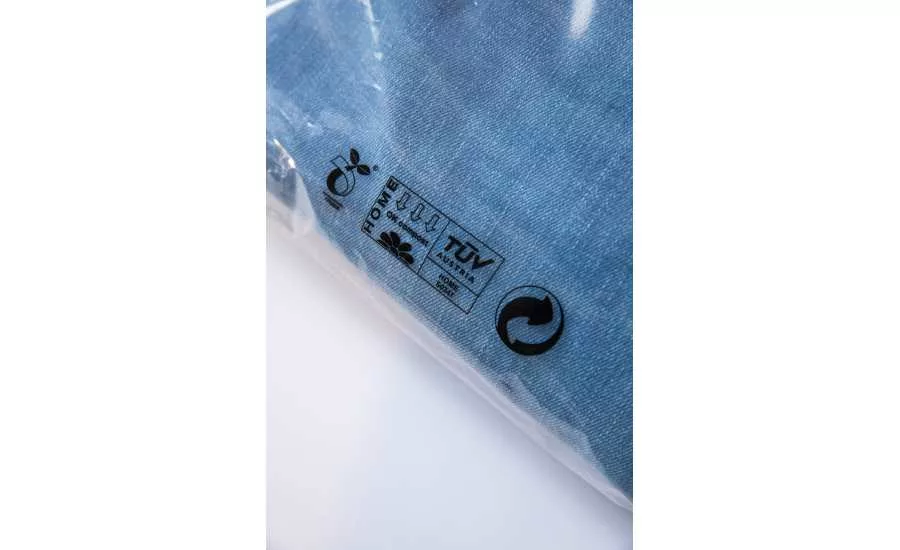
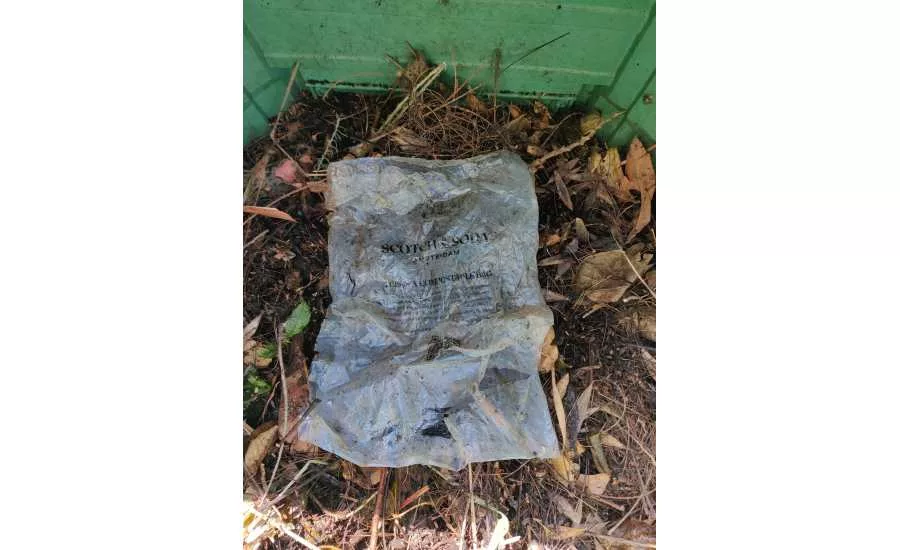
Produced in Germany, TIPA bags are made from 20% bio-based plastic — derived from corn starch and sugar cane and 80% fossil-based plastic. An alternative to conventional plastic, TIPA bags are biodegradable and compostable. The bags are suitable for at-home and industrial composting, as indicated by the OK compost HOME and Seedling logos2 on the bags, and they are designed to fully disintegrate over a three to six month period.
For more information, visit www.scotch-soda.com and tipa-corp.com.
1 Source: Geyer, R. Et al. (2017). Production, use, and fate of all plastics ever made. Science Advances (Recycling rates of non-fiber plastics). Report documents that 58% of global non-fibre plastic is discarded, 24% incinerated and 18% recycled.
2 The OK compost HOME logo is proof to conformity of all technical requirements of the product for full biodegradability, even in a home compost heap. The Seedling logo is proof that a product is certified for industrial composting in accordance with the European standard EN 13432.
Looking for a reprint of this article?
From high-res PDFs to custom plaques, order your copy today!