Sappi Touts Functional Papers for Bakery Packaging
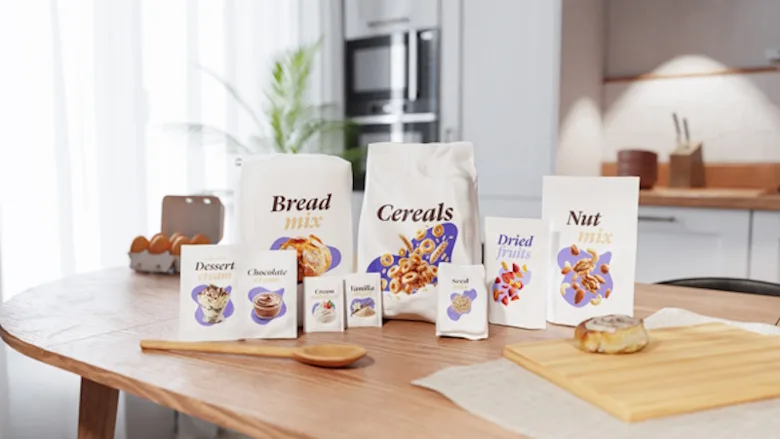
Across the food industry, more companies are rethinking how they protect their products while meeting rising expectations for recyclability. In the bakery and cereal sector, the shift toward sustainable materials is gaining massive momentum, Sappi notes.
“Driven by consumer demand for plastic-free options and tightening regulations like the EU’s Packaging and Packaging Waste Regulation (PPWR), brand owners are searching for solutions that balance high-performance protection with environmental responsibility,” Sappi says.
Tailored protection for bakery ingredients
When evaluating new packaging materials, the conversation starts with product protection.
“Bakery ingredients have diverse protection needs,” Sappi notes. “While products such as vanilla sugar and dessert creams can be packaged with relatively low barrier materials, ingredients containing nuts, seeds, or fats require stronger protection against oxygen, water vapor, grease, and mineral oil to preserve quality and shelf life.”
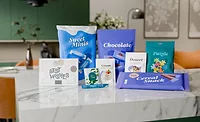
To address varying protection needs, Sappi has developed a comprehensive portfolio of functional papers that combine sustainability with tailored barrier performance across a wide range of bakery applications.
- High Barrier solutions: Products like Guard Pro OHS provide outstanding protection against oxygen, water vapor, and mineral oil (MOSH/MOAH), making them ideal for dried fruits, protein powders, and premium powder creams.
- Medium Barrier solutions: The barrier paper Guard MS are specifically tailored for products such as muesli, seeds, and bread mixes.
- Sealable Paper solutions: The Seal range, including Seal Silk, offers superior heat sealability and moisture barriers for applications requiring low barrier, including candies and secondary packaging.
Performance without major reinvestment
One of the most significant concerns for brand owners is whether these new materials can run on existing packaging lines. “While plastic films are often perceived as more flexible and robust during processing, today's functional papers are engineered to deliver comparable performance with only minor adjustments,” Sappi notes.
In most cases, switching to paper-based packaging involves fine-tuning operating parameters such as web tension, sealing temperature, and sealing pressure. “Modern packaging equipment can typically accommodate these adjustments, enabling paper solutions to achieve performance levels comparable to conventional plastic packaging,” Sappi notes.
To support a smooth transition, Sappi's application engineering experts work closely with packaging machine manufacturers, converters and brand owners to validate performance under real operating conditions and optimize machine settings for reliable, efficient production.
To learn how Sappi's portfolio of functional papers can support specific packaging requirements, visit www.sappi.com.
Looking for a reprint of this article?
From high-res PDFs to custom plaques, order your copy today!