Printing: Inks & Pigments
Exploring the Pros and Cons of Water- and Solvent-Based Inks for Flexo Printing
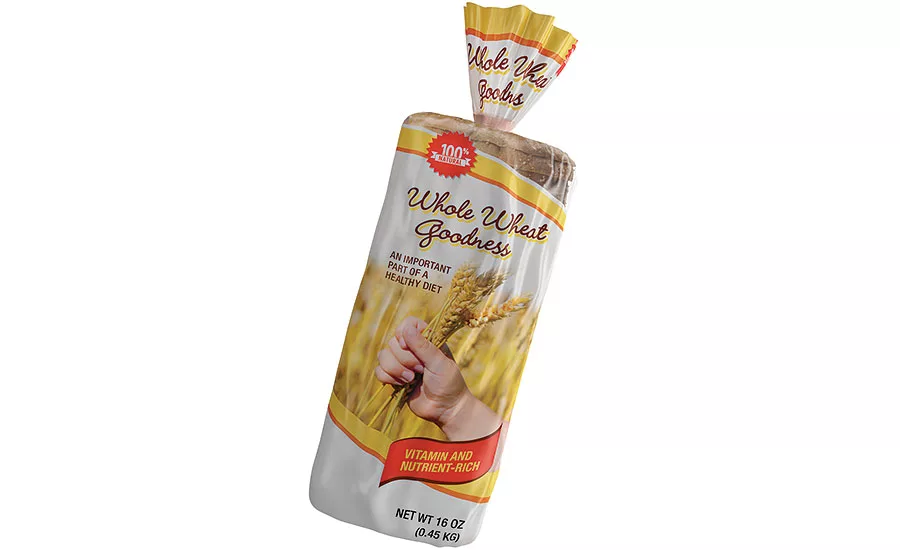
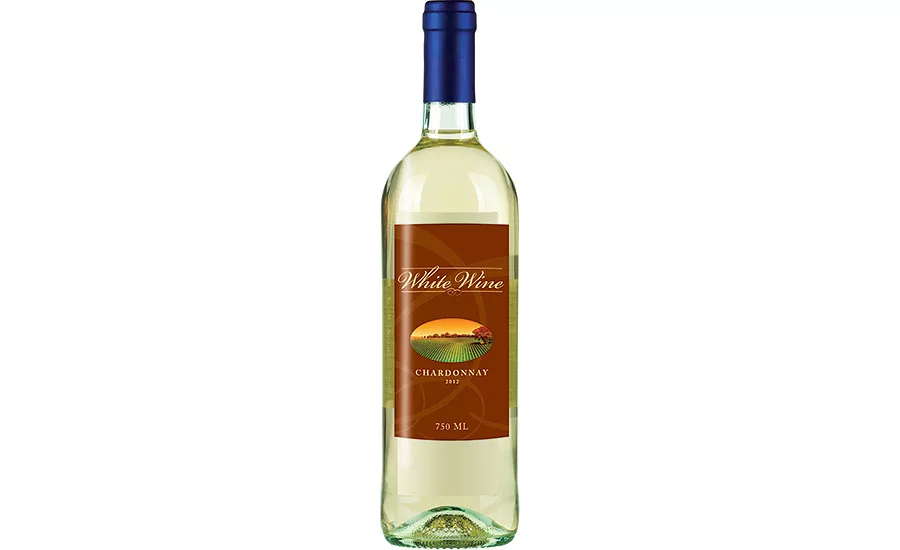
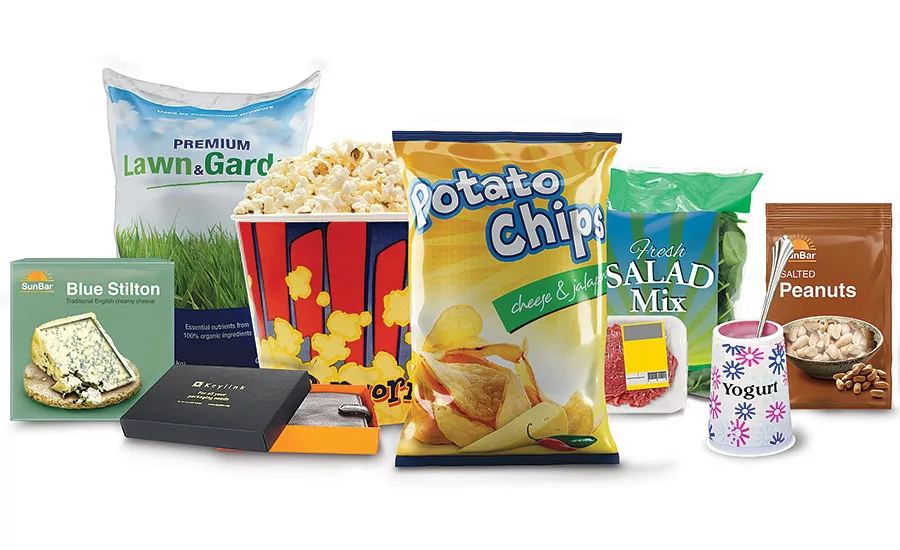
The flexographic printing market is evolving. The convergence of a variety of market drivers ranging from sustainability and environmental impact, cost management and reduction, brand and product proliferation aligning with increased consumer choice, to the diversification of products and markets supported by converters, are impacting the where, who and how printed products, and especially flexible packaging, are produced.
These drivers are also beginning to challenge and change which ink and coating technologies are used to meet these market needs.
In today’s marketplace where sustainability has become a business model and customers are loyal to companies that have proven their commitment to the environment, it is understandable why there is an increased interest in the flexographic printing marketplace to understand the capabilities of water-based inks and coatings, and in some cases begin to shift away from traditional solvent-based technologies.
This desire of flexo printers, as corroborated by a study issued by PRIMIR (the Print Industries Market Information and Research Organization) in 2015 called “U.S. Market Trends for Flexographic Printing,” is much easier said than done.
While the study states that the key challenge for widespread usage of water-based inks is the lack of acceptable quality levels, the reality is that water-based inks can provide similar end use performance to their solvent-based counterparts in the flexible packaging market.
The key challenge with water-based inks is typically press efficiency, such as limitations on press speeds. This is especially problematic with non-absorbent substrates such as films.
The press efficiency relates back to the ease of drying solvent-based ink versus water-based ink. For most solvent-based inks, the volatile organic compounds (VOCs) level is typically 100 percent. The ability for flexo presses to dry the solvent-based ink with conventional ovens is well known at even the highest press speeds.
By definition, water-based inks contain high levels of water and lower VOCs. The challenge for the water-based inks is simply the time needed for the ink to dry on non-absorbent substrates.
In certain market segments where high-speed printing reigns supreme, this inherent constraint of water-borne systems has and will likely continue to restrict widespread or significant adoption. However, in many applications there is growing demand for shorter print runs, and as run length decreases, press speed as the key operational efficiency requirement gives way to changeover time. Within these segments, water-based products are certainly viable.
As with most businesses, converters today are continuing to look for ways to diversify their business, especially into growing segments. As such, a number of converters that are currently using water-based technologies are pursuing flexible packaging markets that have historically been supported through solvent-based technologies.
Whether paper-based packaging converters diversifying into film-based packaging, current water-based printers of film diversifying into other packaging structures like laminated products, or even narrow web printers diversifying outside of tags and labels and into flexible packaging structures, they are all continuing to bring water-based technologies further into these market segments.
When to Use Water- or Solvent-Based Inks
Generally speaking, most converters do not typically choose between ink and coating technologies for the printed products they produce as it is often dictated by their current processes and equipment. However, for operations evaluating new processes or presses or considering new applications and segments, it is important to explore the benefits and capabilities of water-based inks versus solvent-based inks.
The first major difference between the use and performance of solvent ink versus water ink relates to the substrate. If the substrate is absorbent, then the ability to dry both solvent-based inks and water-based inks is typically similar. In that case, water-based inks are most commonly used.
If using a non-absorbent substrate, then the ability to dry the ink is more critical and in these markets is typically dominated by solvent-based inks. Even though these markets are still predominantly utilizing solvent-based inks, there are water-based technologies that can and are being successfully utilized.
Surface Print Applications: There are a large range of applications within this segment, but generally speaking the key performance requirements are gloss, abrasion resistance properties like rub, scuff and scratch, as well as resistance properties like water and heat resistance. Examples of these applications are bags, wraps, packets and pouches, and these performance properties are commonly and easily met with water-based systems.
Additional applications within this space can require more taxing resistance properties like chemical resistance. There are water-based technologies available and used in the marketplace, but can require the use of specialized catalysts or cross linkers. Examples of this are bags for salt, outdoor products and even personal care products with specific chemicals or oils.
Reverse Print Applications: The reverse print segment most commonly utilizes the substrate to protect the product from the external environment. Since a large number of these applications are used on heat sensitive substrates which are ultimately heat sealed and shrunk around the item it packages, abrasion and heat resistance are important.
Certain resistance properties are also required depending on the product packaged as well as control of surface slip on the interior of the film. Again, technologies are available and used today meeting these requirements with examples being bundle overwraps and shrink sleeves.
Laminated Applications: Laminated products and packaging are a wide and diverse set of applications which differ by the bond requirement, substrates and lamination method (extrusion or adhesive and adhesive type).
However, generally classifying these applications by bond requirement allows for an assessment of water-based capability and use. Lower level bonds, such as those required for roll-fed labels and snack food bags, can be met with water-based products but are still dominated by solvent-based technologies.
Much of this market is associated with large multi-national brands and have higher volumes and longer run lengths so production speeds are critical. Mid-level bonds, such as those required for pouches and packets, are often met through the use of solvent-less adhesives.
Water-based technologies are used today in this segment with specific selection often determined by substrate. High performance lamination is typically associated with bond levels greater than 500 grams/inch or even film destruct. It is within this segment that the water-based technology continues to expand and improve. Products are available and in use with continued advancements in aspects of print quality.
Conclusion
Water-based inks are currently a viable option for flexographic printers with performance capability that rivals solvent-based inks, but the acceptance of water-based inks depends first on the equipment printers are already using and the substrates they are printed on as well as the end-use characteristics to which the product will be subjected.
Flexo printers that currently utilize water-based inks and want to diversify their options to customers have many options available to them. If solvent-based printers want to switch to water-based inks or expand their capabilities to short run printing using water-based inks, then it needs to be a determined choice with full understanding of the challenges that go with making such a decision.
Sun Chemical
(973) 404-6172
www.sunchemical.com
Looking for a reprint of this article?
From high-res PDFs to custom plaques, order your copy today!