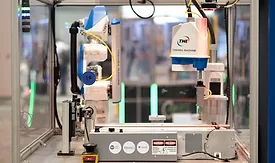
After their first industrial robot installation, manufacturers frequently add further automation. After all, robots boost productivity, profitability and quality. It’s no surprise an estimated three million industrial robots will be in use globally by 2020.
If converters feel gobsmacked by the pace of change in today’s packaging world, they should get ready to shift into overdrive. A recent study cites five major trends that will force major changes that raise the performance bar over the next decade.
As you dig into labeling options for your product container, you’ll see one term pop up again and again: BOPP. It stands for biaxially oriented polypropylene, and it’s an incredibly popular label material.
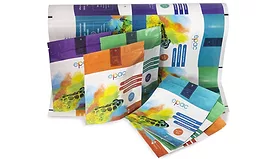
ePac Flexible Packaging, a specialist in digital printing for flexible packaging, says its next phase of U.S. expansion will be in Philadelphia and Richmond, Virginia.
The global Biaxially Oriented Polypropylene (BOPP) film market has seen demand grow by just under 5 percent per annum over the last five years. The main driver of growth has been the demand for flexible packaging, particularly in China and South East Asia, according to Wood Mackenzie’s latest ‘BOPP Film Global Supply Demand Report’.
Ritrama's latest addition is the PE SMART MATT, a brand new matte-effect polyethylene film designed specifically for the creation of high-impact labels for the food, beverage and personal care sectors.
Stora Enso is investing 9 million Euros to build a pilot facility for enabling the production of bio-based plastics as barrier in transparent packaging.
In the world of converting, companies come and go, while mergers and acquisitions happen often. In other words, change happens frequently as converters strive to expand their businesses.