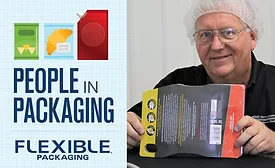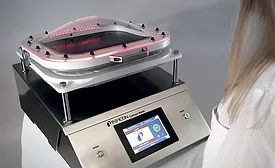
Flexible Packaging caught up with Bill Burnard, INFICON’s vacuum control sales and business development manager, North America, for a chat about the company’s Contura S400 leak detector, which made its N.A. debut at PACK EXPO.
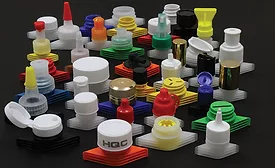
For several years now, HQC has been designing and manufacturing custom fitments for pouches. And despite the challenges involved in doing so, the Oswego, Illinois-based company has continued to move this sector of the market forward.
Cannabis. Sustainability. e-Commerce. The past year was a dynamic one in flexible packaging – and there are various trends and talking points that have shaped it and will continue to shape it moving forward.
While the packaging industry is always changing and moving forward for the better, this past year has been a particularly exciting time to be a part of it. Here’s a look at some of the trending topics from 2018 that will certainly help shape things moving forward.
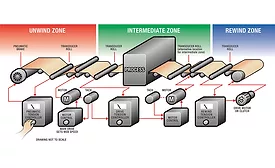
Typically, the catalyst that leads a converting production team to upgrade their tension-management or web-guiding equipment, or even to install new components for the first time, will be quality problems that are obvious in the finished roll or material.
Historically, HQC is a custom molding company. However, as the Oswego, Illinois-based company grew out of a garage shop to an 80,000 square-foot facility, it only made sense for leadership to consider adding more services. One that Blair Pasternak, HQC president, has always had his eye on is flexible packaging – and that’s where Joe Haske enters this story.
Mondi and Werner & Mertz are introducing a new, patented innovation in 2019: A 100 percent recyclable pouch with detachable decorative panels. The pouch replaces conventional flexible packaging for Frosch products and features a pioneering design that overcomes many shortcomings of the recycling process.
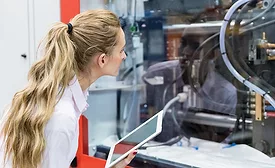
Today, about 30 percent of manufacturing employees are women. While you might think that this is a substantial representation, it’s actually a number that has stayed pretty consistent since the 1970s. In fact, according to the U.S. Census Bureau, though women make up nearly half of the overall workforce, they remain underrepresented in the manufacturing industry.