Managing EMI in Food Metal Detection

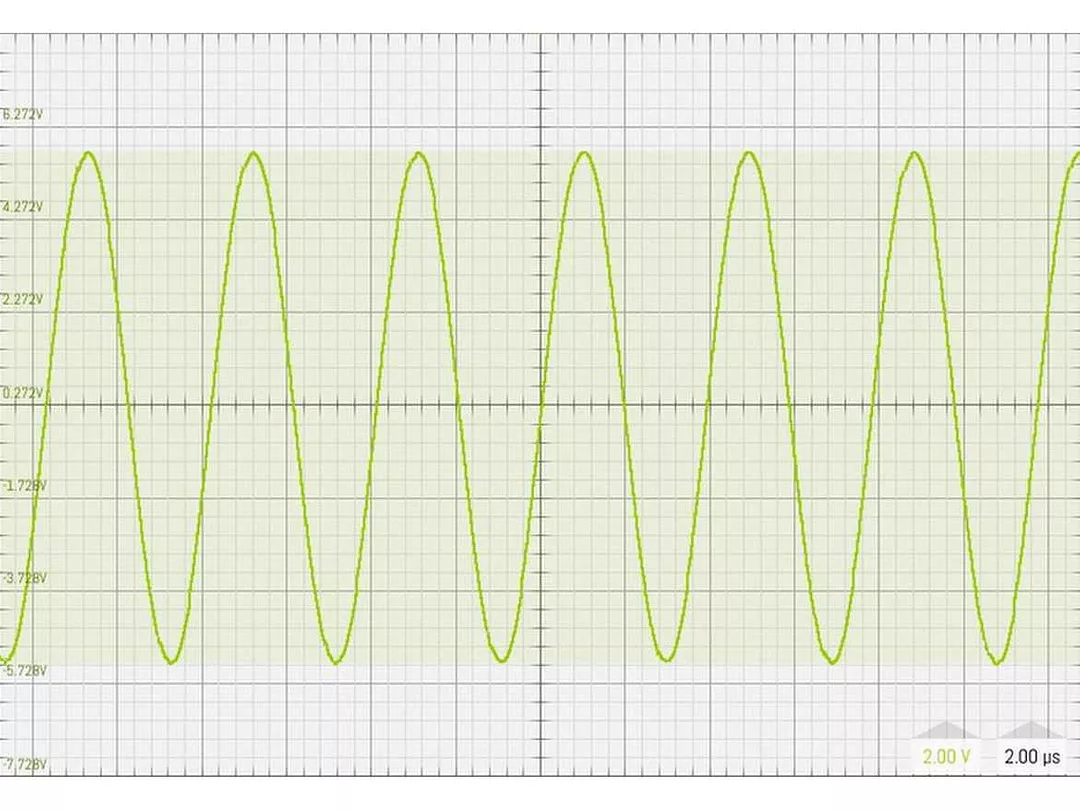
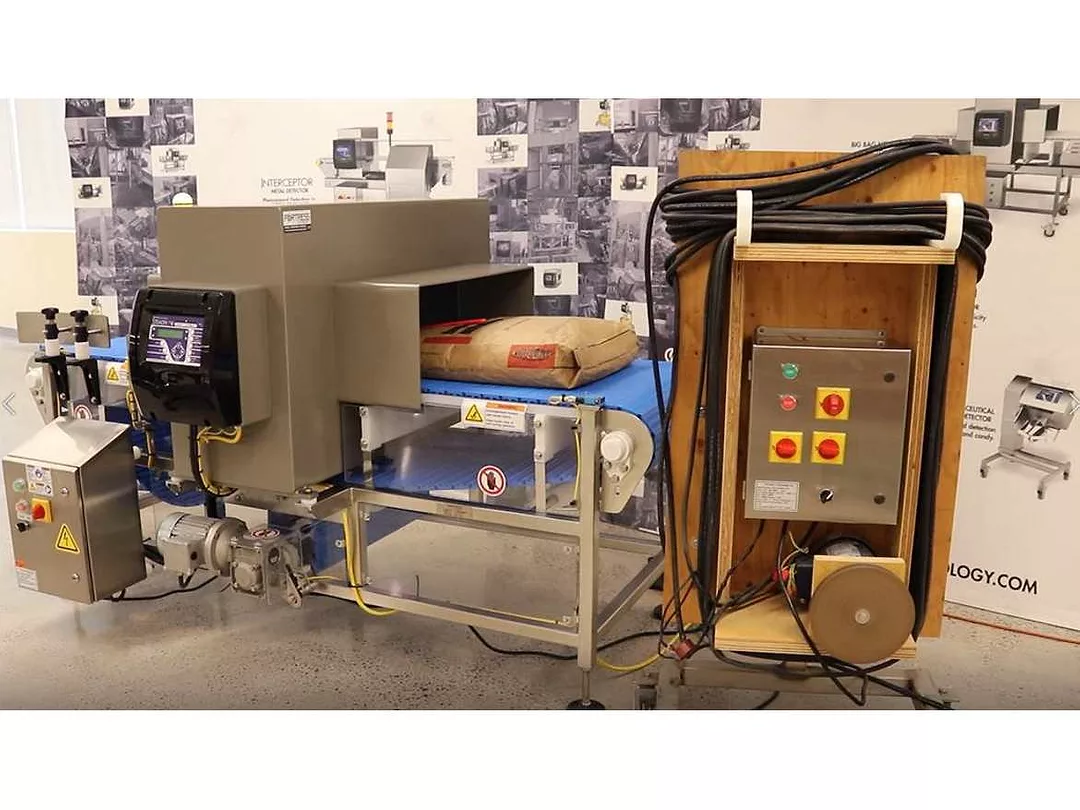
Noise is a common occupational hazard in food processing factories — from vibrating panels to mechanical rotors, stators, fans, conveyors, pumps, compressors, palletizers and fork lifts. Additionally, some less audible disturbances can impair the performance of highly sensitive metal detection equipment, with the most overlooked being EMI/RFI noise generated by ground loops and electric motor drives.
Many factors determine the performance of a metal detector. The main factors are the aperture size, product effect and operating frequency. However, environmental conditions such as airborne electrical interference — static, radio or earth loops — and vibration, for example moving metal, may also affect performance. Unique features like Noise Immunity Structure and AutoPhase can suppress some of this interference noise, which may otherwise require reducing the sensitivity levels manually.
The main sources of electromagnetic interference and radio frequency interference include AC motor drives, for instance, variable frequency drives and servo motors — two way radios, including walkie talkies, electric loops, electrical contacts and static discharge.
Identifying EMI/RFI noise
The most widespread challenge Fortress engineers encounter turns out to be quite a common issue in food processing plants. Particularly on end-to-end lines incorporating robots, bagging, flow wrapping and conveyors. The effects of electromagnetic interference (EMI) can negatively impact the performance of metal detectors resulting in false detections, false rejections and consequently increased food safety risks.
Packaging machines, for instance paper and plastic film rollers and conveyor belts, can create a certain amount of electrostatic interference. However, for this to cause an issue with the metal detector it must be very close to the coils. Typically, this would only occur when the slider beds and belt material on the metal detector conveyor are rubbing. This could cause a build-up that eventually discharges to the metal detector case close to the coils.
EMI/RFI noise occurs when different electrically powered machines and peripheral equipment operating in close proximity to each other are not shielded or filtered correctly. It could come from an AC motor drive on the conveyor.
The weak points often observed are from are cables that power the AC motor drive. If not shielded correctly, this can radiate EMI.
AC drives work on the principle of switching the line voltage. This switching causes a fluctuating current draw on the line resulting in broadcasting RFI/EMI noise back on the AC motor drive input line. A filter can attenuate the draw to eliminate the noise. However, even when this filtering is applied, the output cable to the motor can still radiate noise. This is when a Variable Frequency Drive (VFD) shielded cable should be used, ensuring that noise doesn’t broadcast from the cable.
The closer the source of the EMI gets to the metal detector coils, the greater the strength of the signal broadcast. Worst case scenario is when the aperture opening is in line with EMI generator as there’s a clear line of sight. If the EMI is to the side, the body of the metal detector helps to shield the internal coils from the broadcast noise.
Radio waves
The susceptibility of a metal detector to electromagnetic interference is very dependent on its sensitivity and operating frequency. If one metal detector is transmitting a at a frequency very close to another, they risk cross talking with each other if positioned close together.
To prevent this happening, Fortress recommends spacing metal detectors at least four meters apart, or staggering the metal detectors so they aren’t directly aligned. As part of a site audit, it is also good practice to note the operating frequencies of metal detectors in close proximity so that a different frequency can be selected for the new equipment.
Long and medium wave transmitters — such as walkie talkies — rarely cause problems. Providing they are operating at three watts or less, and not used in very close proximity to the metal detector coil receiver.
Digital communication devices, for example smart phones, are never a problem for metal detectors. This is because they operate at a much higher frequency, well out of the band that is optimal for metal detection.
Static troubleshooting
Static electricity build up is more likely to occur on gravity and vertical metal detection applications if the pipework has not been earthed correctly. It can also occur when slider and belt material are incorrectly selected causing static to build in the metal detector aperture.
Locating a metal detector on a mezzanine floor can create potential issues. Notably more mechanical noise infractions, particularly from chutes, hoppers and conveyors.
To ensure the most reliable performance and avoid vibration, all support structures and reject devices should ideally be of welded construction. Additionally, bolted connections should be avoided across the frame where they may form very distinct loops.
Finding the source of the problem quickly and accurately is critical, as ongoing interference on automated processing lines can cause service disruptions. Fortress can deploy a technician armed with a “sniffer” to swiftly track the source of nearby EMI and RFI. Like an antenna, the sniffer measures RF and can swiftly locate the source of the competing frequencies. With this information, engineers can shield, suppress or alter the path of the emissions.
Fortress also offers the option to retrofit existing metal detectors with newer hardware equipped with better noise immunity features. For busy production settings, including highly automated plants, this solution overcomes or greatly reduces the effect of the noise on the metal detector.
User-friendly Fortress features like automated single pass calibration can deliver an accurate system set-up within seconds and eliminate human errors. Additionally, built-in noise immunity structure — included as standard on all Fortress digital metal detectors — can dramatically reduce the effects of external electrical noise, again resulting in fewer false product rejects.
In conclusion, it is impossible to completely eliminate noise interference in food production environments. Yet, by taking these precautions and seeking expert guidance, our engineers can help to significantly reduce the EMI feedback and ensure metal detection performance is not compromised.
Visit www.fortresstechnology.com for more information.
Looking for a reprint of this article?
From high-res PDFs to custom plaques, order your copy today!