Cover Feature: Green Processes
Flexible Packaging Industry's Role in Food Waste
When it comes to sustainability and being green, there always seems to be some sort of ‘new’ thing, and the next big thing is already here: How to lessen or even eliminate food waste. That’s where the flexible packaging industry comes in.
Less Spoilage and Prolonged Shelf Life
Flexible packaging innovations in materials is a huge plus for the food waste movement. Barrier materials have become more apt to allow for gasses to pass through (or not pass through) a package, depending on the product’s needs. All the while, films have become thinner, requiring less raw materials to be used. Manufacturing has also improved greatly in its processes and recycling efforts.
Jeff Wooster, global sustainability leader at Dow Performance Packaging, tells FP, “We work closely with a number of industry organizations to educate people on how plastic packaging can extend the shelf life of a product and make food last longer. Food that is discarded by the consumer and ends up in the landfills is only one part of the problem. We must also look throughout the entire value chain for solutions to combat this ongoing issue.
|
Wasted Food = Wasted Money
According to the Natural Resources Defense Council’s issue paper “Wasted: How America is Losing Up to 40 Percent of its Food from Farm to Fork to Landfill,” each year, $165 billion worth of food is thrown away.
|
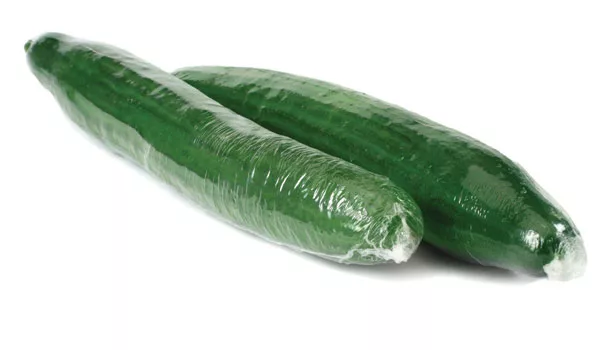
“Take, for example, a cucumber. It doesn’t take long for them to go from crisp and cool, to mushy and moldy. However, when you wrap a cucumber in only a few grams of flexible plastic packaging, that cucumber will stay fresh for as long as 14 days, according to the Industry Council for Research and Packaging on the Environment (INCPEN). This type of product protection enables grocers to offer the highest quality items to consumers and keeps them on store shelves longer, helping reduce the likelihood that they will be thrown away before ending up in your grocery cart,” explains Wooster.
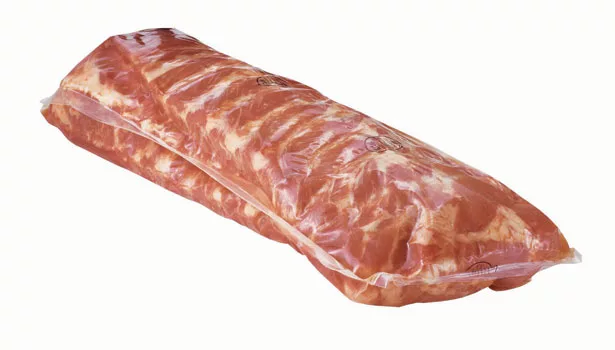
“Without the proper packaging, products are susceptible to a variety of environmental influences that may cause spoilage or reduce quality. The impact of higher performance packaging, like the multi-layer pouches and wraps used for snacks, nuts and meats is even more impressive. The barrier layer keeps oxygen out, keeps moisture in and helps extend the shelf life of high value foods, such as an 8-oz steak. Because it takes far more energy and other resources to make a steak, packaging that can extend the shelf life of meat has the opportunity to save an astounding amount of resources from being wasted, including 6.5 pounds of wheat (Stanford University) and1,200 gallons of water (Water Education Foundation) that are used to produce that half-pound portion alone,” says Wooster.
Complete Evacuation of Products
The flexible packaging industry, especially stick packs, pouches and tubes, are really the answer to solving food waste. How? A flexible package has the ability to evacuate the package of its contents completely. For example, a jar of mayonnaise has to be scraped and scraped to get every last bit of mayo out of it. And even then, you can’t get to the little bit that’s stuck under the lip of the opening, or at the very bottom. But put that same amount of mayo in a flexible pouch or tube, and only a trace amount of product will remain in the package when all of the package’s contents are squeezed out.
Wooster agrees with this assessment: “For flexible packaging, the ability to flatten the package and squeeze every little bit of product out makes us a more viable answer to food waste. Flexible packaging is incredibly valuable to the food waste challenge.”
Flexible Packaging’s Reclose-/Resealability
Correct portion sizes can help allow for only the specific amount of food to be purchased and used by the consumer, lessening the chances of unused food to be discarded. This, coupled with recloseable packaging, helps lengthen a product’s freshness, while also allowing for multiple uses.
“In addition to helping prevent food from spoiling, flexible packaging helps provide consumers with the right portion size, delivers resealability and offers ready-made options for people living on-the-go lifestyles. These attributes not only increase consumer convenience by making packages easy to handle, open, close and optimize content, but they also help reduce consumer food waste. By combining Dow’s team members and our partners in the value chain, plastic packaging enables food to travel from the farm to the table with minimal waste,” says Wooster.
|
Largest Categories of Wasted Food
According to the Save Food Initiative statistics on food waste, broken down into food categories, cereals (at 34 percent) account for the biggest share in greenhouse gas emissions caused by food loss and waste, followed by meat and vegetables at 21 percent each. At only 5 percent, the percentage of meat in the total amount of food loss is far lower than that of cereals (25 percent) and vegetables (below 25 percent). Save Food is a joint initiative of the Food and Agriculture Organization of the United Nations (FAO) and Messe Düsseldorf GmbH against worldwide food loss and waste.
|
Clear Labeling Efforts
The ever-confusing food expiration date could become more streamlined, and the effort is there. Instead of only a Sell By or Use By date, many packers are now including both Sell By and Use By dates on their foodstuffs. This can help lessen the confusion of when food might become spoiled. (And even then, it’s most likely still ok to consume a few days after those posted dates.)
“Many people are throwing away items that are past the labeled date because they’re afraid the food will make them sick,” says Wooster. A clearer, more streamlined expiration dating program might help in deterring perfectly good food from being thrown in the trash.
Green Manufacturing Practices
Not to mention all of the additional features flexible packaging brings to the table: less materials used to create the package, less weight to ship and transport the package, and less volume to take up valuable landfill space. Many converters have taken up the challenge of diminishing or even eliminating wasted materials in their plants. One such program is called Landfill Free in Three, a program offered by InterGroup International.
So what is our industry’s call-to-action for this? As an industry, we must shout our anti-food waste message from across the rooftops. We have to communicate the environmentally friendly plusses of flexible packaging to the brand owner, copacker, consumer, and anyone else who has purchasing power when it comes to packaging choices.
In closing, Save Food says it best: “Minimizing waste and loss is therefore indispensable…Add to this the fact that one in eight human beings on earth suffer from hunger, while one third of all produced foodstuffs are not consumed.”
Looking for a reprint of this article?
From high-res PDFs to custom plaques, order your copy today!