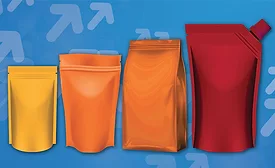
Despite the challenges often presented by flexible packaging in terms of consistent recycling channels, the format remains a preferred choice for brands, retailers and consumers alike.
Consumers continue to become more aware of single-use plastics, food waste and recycling, particularly with the rise of documentaries like Seaspiracy. This has led to many brands seeking new and innovative methods to meet consumer sustainability expectations and to capture market share.
Allison Lin, global VP of Packaging Sustainability at Mars, sits down with Flexible Packaging to discuss how executive leadership is vital to creating a circular economy throughout the packaging industry.
In 2022, the circular economy is the de facto buzzword in the food and beverage world and, quite frankly, the industry is undergoing massive change in all areas: consumer behavior and expectations, smart manufacturing investments, and sustainability partnerships.
Hormel Foods says it ensures all suppliers are held to the same criteria that include performance requirements, on-time deliveries and high-level customer support.
Last week, researchers found that a generation defines itself by food, the global spout pouch market will grow, laser coding is now an option on a sustainable line of films, S’mores packaging glows and new resins aim for a circular economy.
After successful implementation in sectors including tobacco and pharmaceuticals, two-dimensional barcodes or ‘2D codes’ are gaining prevalence across industries and are expected at the point of sale within the next five years. The growth in 2D codes presents significant opportunities for manufacturers but is not without its risks.