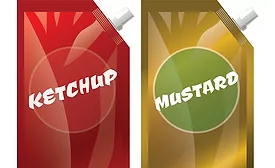
Environmentally conscious consumers are looking for packaging that uses fewer resources and less energy than other forms of packaging. Flexible packaging minimizes transport costs between the converter, packager/filler, retailer and end user.
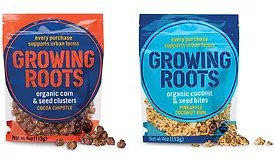
Many well-known brands and start-ups are introducing snack products. The accelerating pace of product introductions is creating opportunities in multiple packaging segments, ranging from flexible pouches to single-serve cups.
The Centers for Disease Control and Prevention (CDC) estimate that about 48 million Americans fall ill from foodborne illnesses each year. Of these 48 million people, more than 125,000 are hospitalized.
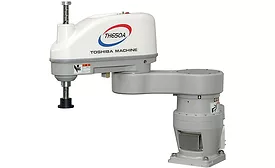
Fold it, seal it, tape it, box it, pick it, place it — automate it. These are the separate processes that Finland-based Orfer Oy needed to automate to speed up its packaging operations. However, automating these processes without expanding factory floor space proved to be a challenging feat.
Forbes recently named Bemis Company, Inc. one of its 2018 Best Large Employers in America, ranking it among the top 20 engineering and manufacturing companies.
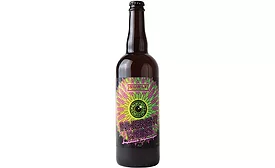
Though Inland Packaging offers everything from shrink sleeves to various narrow web flexible packaging today, it got its start in the big beer and craft beer markets – markets that are riddled with competition and where various brands yearn to stand out.