Flexible Films
Rethinking Food Packaging: The Role of Recycled Polyethylene
Sarah Marshall of NOVA Chemicals sees some good news on the recycled polyethylene (rPE) front, noting that collaborative efforts between recyclers, resin producers, and brand owners are taking shape.
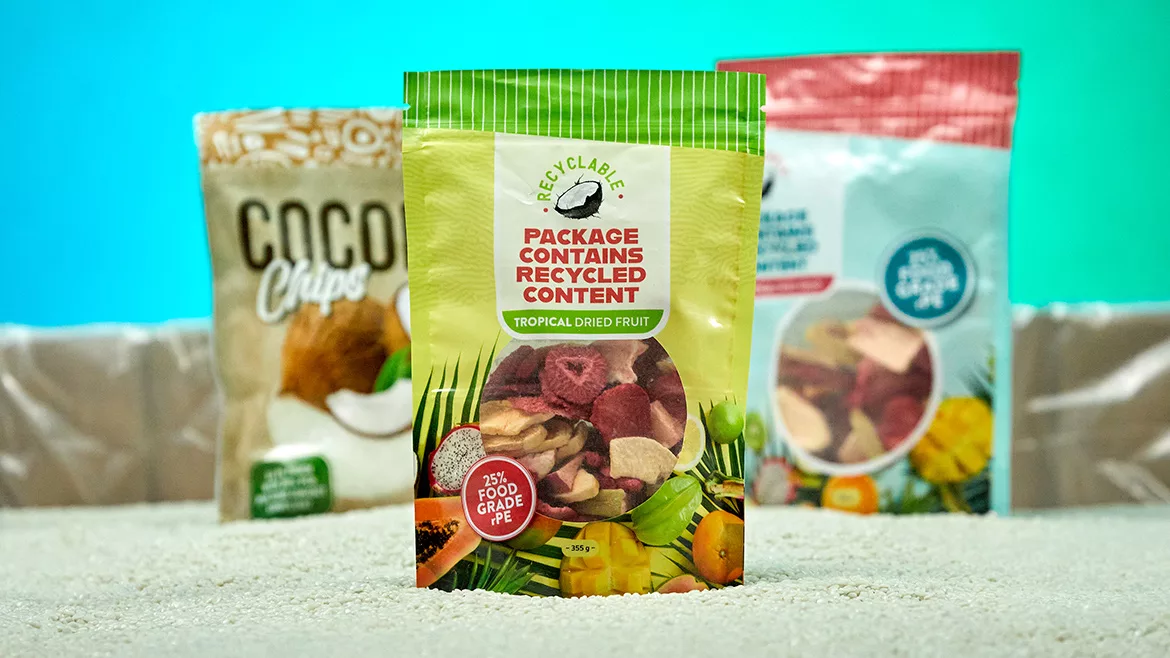
Flexible film is integral to the food packaging industry. With its lightweight durability, plastic film provides unmatched performance and convenience for on-the-go consumers. These products underscore the most important aspects of packaging design related to the consumer experience, including quality, safety, and sensory appeal. In such a demanding segment, any misstep that compromises taste or freshness can have serious consequences for a brand’s reputation .
But the packaging industry is changing, and plastic packages in particular are being redesigned for recycling processes and the incorporation of recycled content. Recycled polyethylene (rPE) has advanced dramatically due to its compatibility with mechanical recycling and its versatility for flexible packaging applications. Market adoption of rPE in flexible food packaging remains limited, however. Brand owners have legitimate concerns about post-consumer recycled (PCR) resins, including the management of inconsistent supply, meeting strict requirements for food-contact materials, navigating extended producer responsibility (EPR) regulations, and ensuring adequate performance .
Despite the challenges, the use of recycled content in packaging continues to grow. Corporate commitments to reduce virgin plastic usage and make packaging more recyclable have changed in scope, yet the push to address plastic waste remains. EPR legislation and PCR mandates are expanding across North America and Europe. To build a more circular economy for plastics, flexible food packaging must be part of the solution.
Incorporating rPE into food packaging requires commitment and collaboration, but putting in the work is worth the reward. Companies that lean into PCR materials can protect and enhance their brands, setting the standard for industry-leading innovation that will help shape the future of circular plastics while also connecting with customers and consumers who share the same values .
Challenges and Opportunities
One of the factors contributing to the lack of rPE in flexible films is supply availability. Until recently, most of the natural recycled resins available on the market were recycled high-density polyethylene (rHDPE) made from milk jugs. While this high-density homopolymer has been successfully incorporated into blow molded containers, it is not typically used for flexible packaging.
Local and national regulations add another layer of complexity. Food grade PCR materials must meet the same requirements as virgin resin, with strict chain of custody protocols and ideally segregation of production lines. The specific targets and requirements of EPR laws to mandate PCR content are still being developed, with some states including exceptions for food-contact films because of the inadequate supply of high-quality PCR resins .
The good news is that recycling streams for flexible films are expanding. Collaborative efforts between recyclers, resin producers, and brand owners are taking shape, exploring how to capture and process recovered film into high-quality feedstock that can be used in food contact applications such as bakery films, cereal and cracker liners, and stand-up pouches. There are now commercially available options of recycled resins that meet the performance and compliance requirements for flexible food packaging. Early adopters of PCR materials strengthen end market demand, which can encourage investment in infrastructure and processing capabilities to stabilize supply.
Collaboration across the value chain accelerates development, making the system as a whole more efficient and more impactful. When organizations work together, the outcome is more than just compliant packaging; it is a new model for packaging design that considers every stage, from production through end-of-life reprocessing.
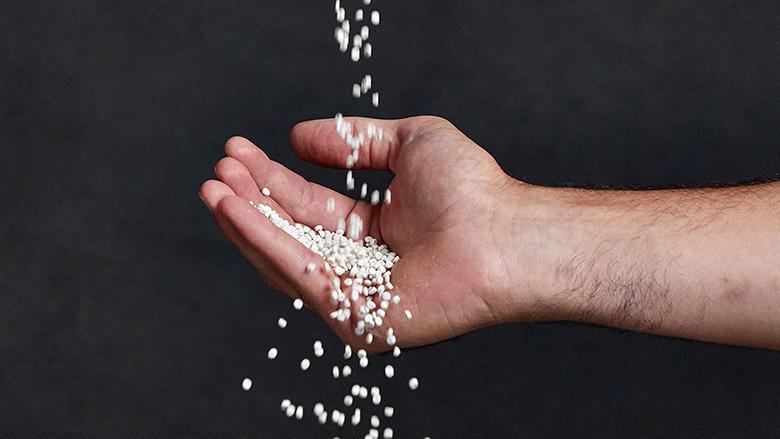
Image courtesy of NOVA Chemicals
How to Make it Work
Redesigning packaging with rPE influences every aspect of product performance and consumer perception, so bringing the entire value chain into the process from the outset is critical. Collaboration provides access to greater expertise across regulatory requirements, resin formulations and film manufacturing to accelerate development and shorten time to market.
Engaging with manufacturers to understand the control systems they employ to ensure consistent quality is key. Regulatory compliance is critical for food-contact rPE. In the U.S., recyclers can submit their processes to the U.S. Food and Drug Administration (FDA) to receive a Letter of Non-Objection (LNO). While not a legal requirement, the LNO demonstrates that the agency does not object to the use of the recycled resin under specific conditions.
An LNO provides an important baseline of assurance. It indicates that a recycler’s process has been vetted for safety and that, on paper, the material is considered suitable for food-contact applications. But brand owners should not treat an LNO as the end of the conversation. In practice, there are still wide variations in the quality and performance of rPE produced under different processes .
Working with suppliers who go beyond the LNO will help streamline the integration of PCR materials. Producers of high-quality rPE monitor contaminants, additives, and processing conditions beyond regulatory minimums. Additional sortation, thorough washing, deodorization, and quality-control steps minimize sensory impacts. Research and testing capabilities can also refine film designs and ensure a smoother transition to new materials or structures .
Looking Ahead
With expanding film recycling streams and regulatory momentum driving the use of PCR, rPE is a viable and scalable option to incorporate recycled materials into flexible packaging applications without sacrificing performance. Incorporating recycled resins is not a compromise. It is a step forward to building a new supply chain and enabling circular solutions that will redefine the production of plastic food packaging.
Looking for a reprint of this article?
From high-res PDFs to custom plaques, order your copy today!