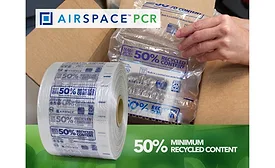
Manufactured in the USA at a TRUE Zero Waste certified facility, this film offers a sustainable void-fill solution that addresses the growing demand for environmentally responsible packaging.
Sahar Mehrabzadeh and Sara Lowe of Bay Cities share how the company is helping retailers and brands achieve compliance with California’s SB 54 and other state-level Extended Producer Responsibility programs.
IDFA emphasizes that many dairy packaging materials and formats—including HDPE, PET, polypropylene, gable-top cartons and aseptic cartons—are recyclable but are not yet meeting the recycling rate thresholds required under SB 54.
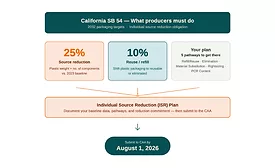
With California’s Individual Source Reduction Plan deadline of August 1, 2026, fast approaching, brands selling packaged products in California are under pressure to model, document and submit defensible plans across five approved source reduction pathways.
Supported by The Recycling Partnership, this program recognizes organizations strengthening North American recycling systems through long-term commitments to purchase and use domestic post-consumer recycled (PCR) plastic.
Agreement helps position Mexico within global recyclability trends by facilitating international alignment of criteria and strengthening the technical capabilities of the sector.
North American resin costs have soared to historic highs, with no clear end in sight. Ric Lee of Atlantic Packaging suggests that the fix to the plastic price crisis starts on the pallet.
New Jersey’s Recycled Content Law requires manufacturers of rigid plastic containers, beverage containers, and other regulated packaging to meet minimum thresholds of postconsumer recycled content.