Automation
Back to the Basics: When and How to Automate Your Packaging Line
You’ve worked hard to grow your business, starting out as a small company where you packed a few boxes per day to growing into one that requires packing a few boxes per second. While you’ve been able to keep up with the busy pace of change, you’re wondering, “how long can I keep this up?”
Trusting your instincts and experience, you know you need some sort of automation, but you aren’t sure what kind, let alone where to begin. Fortunately, experts can help you understand the basics of automation — when and where to use it, and how to implement it into your packaging operations.
The Basics of Automation
Once you’ve recognized your need for automation, the next step is to gain a clear understanding about automation basics. By definition, automation is, “the technology by which a process or procedure is performed with minimal human assistance.” In other words, automation is a mechanical system that is good at doing the same thing time after time. That said, automation comes in several forms: hard, soft and flexible.
Hard Automation: Hard automation is a dedicated machine or robot that does a very specific task or group of tasks as fast, or faster, than a human worker. It is well suited for high-throughput operations with no variation. These machines are frequently custom made and expensive, but they make up for it in a reduced per-item cost due to their capacity. Examples include a case erector, bottler/canning machines, case sealers, sorters, conveyors, etc.
While hard automation is usually one of the first steps many businesses take in the implementation process, it has one major flaw — if product requirements change, modifying hard automation can be very expensive, often costing as much or more than purchasing new equipment.
Soft Automation: Often referred to as programmable automation, soft automation is a derivative of hard automation but with some built-in flexibility. It is frequently computer controlled and can have some mechanical adjustments to deal with changes in production. It can also take time to reprogram. Typically more expensive than hard automation due to the additional engineering required and the usual lower production rate, soft automation is a good solution for those who know how their needs will change in the future or those looking to run multiple batches of similar products.
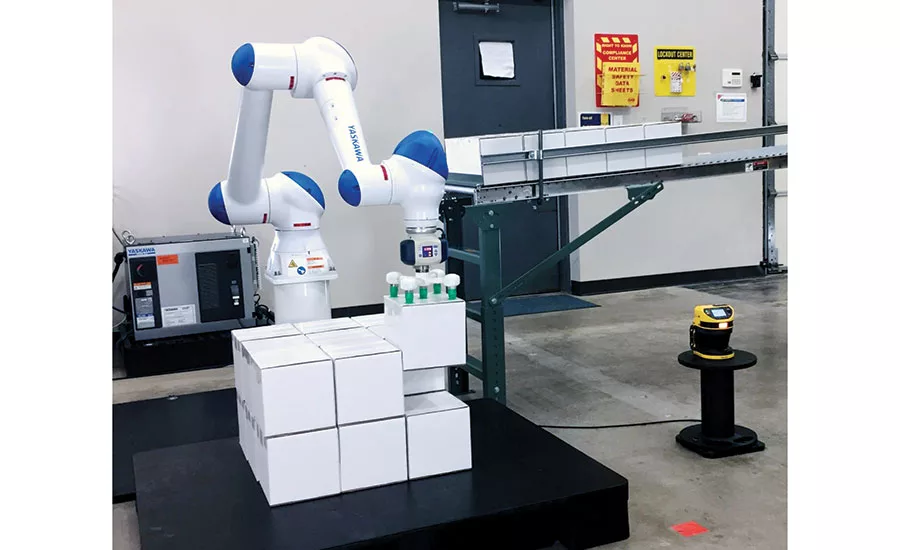
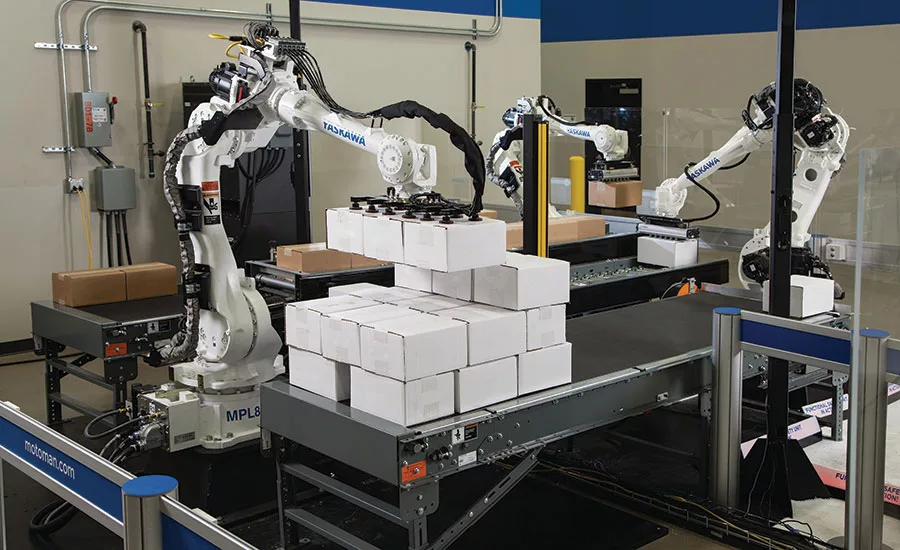
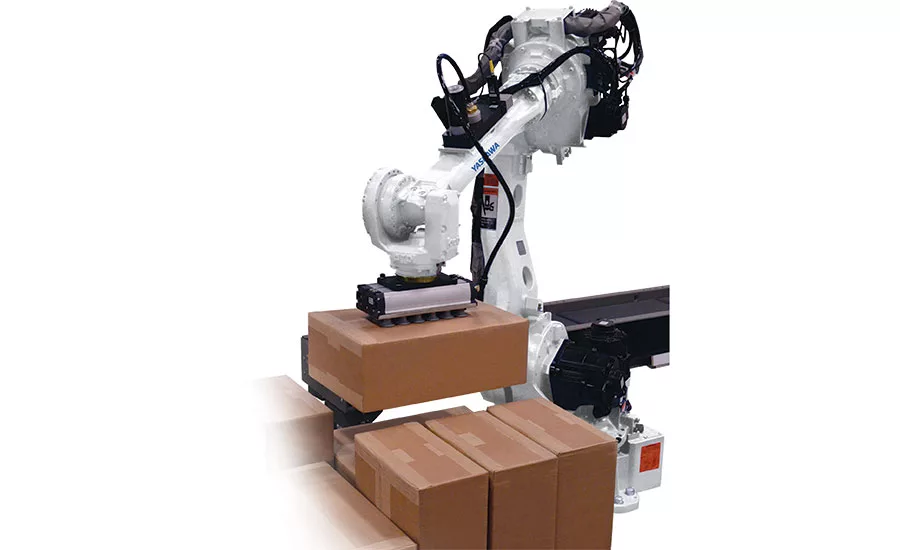
Flexible Automation: Flexible automation is designed to change with variations in production. This type of automation involves a programmable robotic arm with an off-the-shelf or custom end-of-arm tool. Typically slower, and potentially more costly than hard or soft automation, it has the advantage of adapting to changing products and production volumes.
While many consider flexible automation the “holy grail,” the best solution for your business is likely a mix of automation technologies. Fortunately, with various software and sensing options available, it’s possible to integrate all three into a seamless solution.
The Timing of Automation
Now that you have a general knowledge of automation, it’s time to think about the best time to automate. As you may have guessed, automation is a large investment that should be given considerable research and planning. As you move forward in the exploration process, there are several questions to ask when considering an automation solution:
What is your current demand? Where do you expect it to be in X months (or years)? If you’re nearing maximum capacity and you expect to grow, it’s clearly time to start thinking about automation. Similarly, packages per minute (PPM) requirements will likely dictate what type of solution or solutions you need to consider.
What are your current bottlenecks? If line changeover eats up valuable time, inspection/sortation slows down production or products need to be transferred from one place to another, automation is a likely next step.
What simple, repetitive operations are currently being done? Robotic automation solutions excel at repetitive tasks. Depending on your requirements, this might be well suited to a hard automation solution, or you may require something more flexible.
What is the current cost of your packaging line? How would it compare to the cost of automation? Human labor is often the largest expense in packaging operations, and not only in wages. Depending on the demands placed on workers, expenses could include higher than average turnover rates or workers compensation, or lawsuits due to injury. Additionally, material costs, combined with lost production due to errors or equipment faults, can have a profound impact on costs.
At first glance, automation costs can appear staggering. When amortized out over the expected life of the equipment, it is generally very reasonable, especially when you consider production increases and increased reliability.
While these questions are likely to change depending on your industry, they are a good starting point as you venture into the world of automation.
Depending on your required results and budget, you may realize that you don’t need to automate your entire line right away, implementing a phased approach to alleviate the main bottlenecks first. If workers can’t keep up with end-of-line palletizing, it may be time to consider a robotic palletizing solution. If the application is for sortation and inspection, a delta robot with a vision system may be an ideal option.
The Next Step for Automation
Once you decide on the type of automation your business requires, it is time to figure out the approach. Do you have resources within your organization to plan out, order and self-integrate the chosen solution? In the unlikely situation that you do, congratulations! If not, it would be best to contact a reputable robot manufacturer that works in the packaging space.
Looking for a reprint of this article?
From high-res PDFs to custom plaques, order your copy today!