
Packaging Automation
7 Signs It’s Time to Automate Your Packaging Line
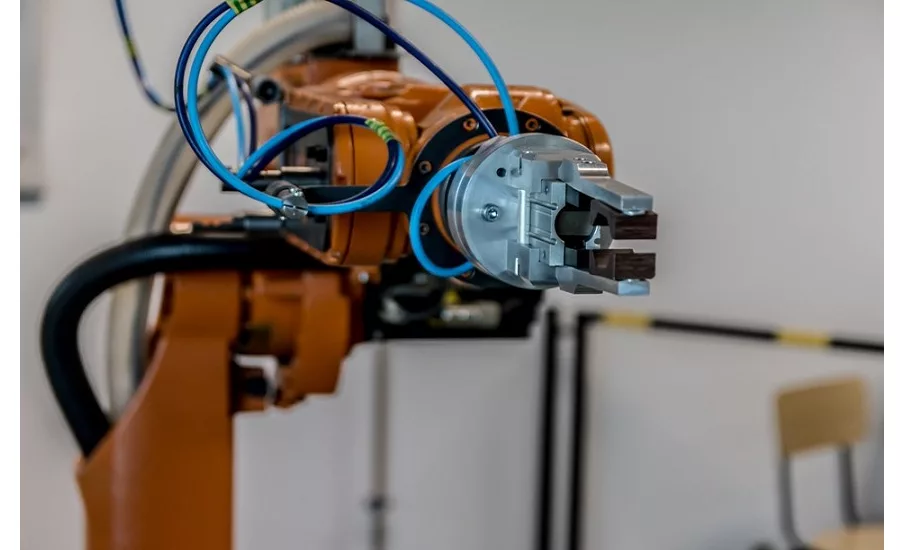
As manufacturer or distributor of foods or consumer goods, you may experience growing pains as your business handles increased demand. These pains often include bandwidth limitations and labor issues, and packaging line automation is an excellent place in your production line to eliminate them.
Determining when it's time to automate your packaging line doesn't have to be difficult, but research needs to be done to make a decision on where to begin and what will provide your business with the biggest return.
Here are a few signs that you are ready to automate your packaging line:
1. Markets and Demand
Understanding your target markets and projecting for potential growth ahead of time will help with justifying new investments in machinery. Will you be adding new products in the coming year? Do you anticipate a large amount of growth?
In some cases you may be able to justify automation due to a decrease in demand. If the markets you serve are expected to see a decrease in demand, automation can potentially save you in overall operations costs.
2. Your Employees Can't Keep Up
Labor force is often the first place that is reviewed when looking into packaging automation. Demand is increasing and your team is barely making their targets. Your customers and/or retailers are becoming agitated, or in worst-case scenarios, are dropping you altogether.
Increased demand that puts strain on limited bandwidth also causes stress in the work environment and can lead to increases in injuries and high labor turn-over. If you are experiencing a significant amount of employee turn-over or injuries and this can be directly related to your packaging processes, this is a good reason to review your options in automation.
An option you may consider at first may be adding additional shifts, but make sure you research the impact on your current processes and the manual machinery being used. Additional shifts will require your machines to have preventative maintenance performed more frequently to ensure proper safety and up-time. This also means scheduling downtime will need to be factored into your daily, weekly, or monthly checks.
3. Labor Cost Vs Automation Cost
Lets say you have one employee working the manual equipment. Their pay is $15.00 per hour, fully loaded, including social security payments, worker’s comp, unemployment insurance, etc.. This employee costs your business around $31,200+.
In cases like this, a piece of packaging machinery like an automated l-sealer can pay itself off in under a year while reducing your labor costs!
4. Packages Per Minute (PPM)
Determine what your need for output, or Packages-Per-Minute (PPM) is now, and what you anticipate it will be over the next 12-24 months.
Is your product accumulated and brought over to the packaging equipment in bulk, or is it fed directly from production to packaging?
- If it's brought to your packaging line in bulk, your packaging machinery determines your PPM. In this case, you could run 1 day on the packaging lines instead of 2. You just need machinery that runs fast enough.
- There is a potential here to save over $6,000 annually depending on your labor cost structure with automation.
If you could run the line faster, could you reduce labor costs?
- How much are you spending on labor to run your packaging line?
- How many hours does the line run?
- If you eliminate 1 position, the savings may range anywhere from $25,000 to $35,000 or more annually depending on your labor cost structure.
5. Too Much Waste
Often when manual labor is used in packaging lines, there will be an increased amount of material waste, no matter how trained your team is.
An example of automation reducing waste can be found by switching from manual pallet wrapping to semi-automated pallet wrappers:
- Products are palletized to fit on an average pallet size of 40" x 48" with no overhang and stacked up to 64" tall.
- Manual wrapping shows an inconsistent 20% pre-stretch by employees.
- A semi-automatic pallet wrapper consistently pre-stretches film to 200%.
- Along with a consistent amount of film being used, film usage drops dramatically by about 80' per load!
With an automated packaging line, the machines are much more precise than humans. They can reduce or in some cases completely eliminate packaging material waste, which can reduce your overall operating costs quite significantly.
6. Repetitive, Simple Operations
Is your labor force doing a lot of repetitive work that a machine could do, faster? If the answer is yes to this question, look into the task that is in question for a machine that can accomplish this for you.
An example of repetitive, simple operation elimination is a case erector that removes the labor force required to form the boxes that your products are placed and shipped in. In some cases, the entire case erecting, filling and sealing processes can be managed with one machine, eliminating each of these steps that your team has to take at the end of your packaging line.
Alternatively, if you have irregular shaped, large or bulky items that packaging machinery may not be able to handle (yet..), automation may not be in your bag of tricks to improve your costs and efficiency.
7. Multiple Products and Lengthy Changeovers
An Industrial Packaging customer that produces several different items per week on their floors had a problem with product changeovers taking anywhere from 4 to 8 hours to complete. Utilizing two packaging lines at twenty packages per minute, the equipment was a blend of legacy design and old technology. During these tedious changeovers, as many as twenty employees were hanging around while they waited for the next product and machinery to be ready.
We determined that the best solution for this customer would be to integrate high-speed packaging lines and to re-imagine their packaging process into a single-line layout that supported the ability to package 40 products per minute, and multiple product shapes and sizes.
- Not only did this cut down on the time spent packaging their products, it also drastically reduced the amount of time it took to change over products on the lines, making it an almost seamless process!
- What once took a full shift to switch from one product to the other took no time at all. No more employees sitting idly for hours.
- Additionally, they opted for 100% electric machines. With zero pneumatic machinery, the lower utility costs added to the huge savings from the packaging line changes.
Work with a Packaging Professional who has experience in helping businesses with packaging automation. They can identify opportunities for improvement in packaging line efficiency, cost reduction, and productivity that you may not recognize. Industrial Packaging offers our customers packaging line audits to identify areas of improvement like this.
