Staying in the LOOP: Is Reusable Packaging a Revolution or a Regression?
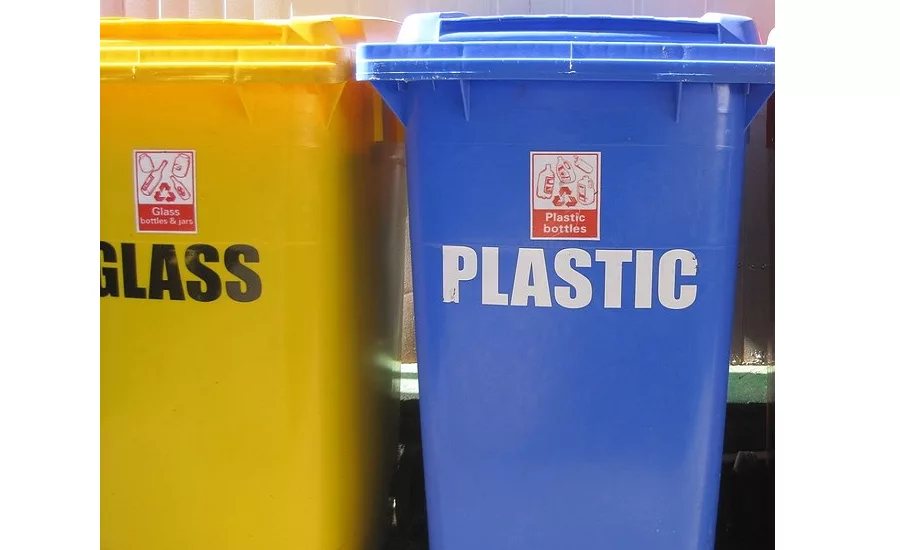
Last February, the packaging world collectively turned its head toward the announcement of LOOP, a revolutionary and potentially disruptive paradigm shift in the way major brands provide high-quality packaging while simultaneously putting recycling and waste reduction front and center.
What Is LOOP?
Loop is essentially a new approach to the by-gone days of the milkman’s business model. The LOOP website states: “Loop is a circular shopping platform that transforms the packaging of your everyday essentials from single-use disposable to durable, feature-packed designs. Not so long ago, the milkman delivered reusable bottles and later picked them up to be refilled. Loop is the milkman reimagined — honoring our past from a modern perspective.”
In place of the milkman, you will find your local UPS delivery driver dropping off products from various companies (including but not limited to Procter & Gamble, Unilever, Nestlé, PepsiCo, Mars Petcare, etc.) and then returning to pick up your used packaging and sending it back to LOOP where it will be cleaned, refilled and resold once again.
What Are the Benefits?
While there are many reasons companies should actively help to reduce packaging waste, there is perhaps no greater evidence for doing so than the great pacific garbage patch.
The Great Pacific garbage patch, also described as the Pacific trash vortex, is a gyre of marine debris particles in the north central Pacific Ocean. The collection of plastic and floating trash, which comes primarily from countries in Asia, lies halfway between Hawaii and California and extends over an indeterminate area of widely varying range, depending on the degree of plastic concentration used to define it, according to Wikipedia.
The patch is characterized by exceptionally high relative pelagic concentrations of plastic, chemical sludge, and other debris that have been trapped by the currents of the North Pacific Gyre.
In addition to other earth-friendly dynamics in the packaging industry such as the flexible packaging movement (which generally offers a lower cost than loop) LOOP offers the additional benefits of decreasing and potentially eliminating contributions to the massive plastic pollution issues our planet earth currently faces.
What Are the Downfalls?
While many see the value in the model that LOOP hopes to bring to fruition, not everyone in the packaging industry is as hopeful in the potential success of the process or the products when taking the industries customer base into consideration…
PlasticsToday contributing writer Clare Goldsberry says that while Loop is not being promoted as a total solution to disposable plastic packaging, TerraCycle’s Loop platform is not a mass-market idea. It will most likely work in New York City and Paris, as well as in other cities such as London, where it will be introduced later this year, and Toronto and Tokyo, where it will roll out next year. However, most of the plastic waste — 80 percent by some estimates—in waterways and oceans originates in developing nations that have little to no infrastructure to handle trash of any kind, whether it’s metal, glass, textiles or plastic.”
In the end, time will tell if everyone really wants to be “in the loop” or if packaging options such as flexible packaging will ultimately win out in regard to both sustainability and affordability.
While the world and its inhabitants are becoming increasingly aware of the harm that pollutants such as plastic, oil, chemicals and synthetic substances are bringing upon the environment, the bottom line is, most companies are more concerned with the lowest cost possible for the best quality products.
As of right now, when looking at both cost savings and environmental impact, flexible packaging options provide a lower cost than LOOP and less of an environmental impact than traditional packaging supplies. For the cost-conscious buyer who has an eye towards environmental concerns, flexible packaging may be the best choice currently available.
What Is Flexible Packaging?
According to the Flexible Packaging Association, flexible packaging is "typically taking the shape of a bag, pouch, liner or over-wrap, flexible packaging is defined as any package or any part of a package whose shape can be readily changed."
The FPA goes on to say:
"With its versatility, custom qualities, efficiency in conserving resources, and sustainability, there’s no better time to consider flexible packaging for your new product line or as an upgrade to an existing package.
- Flexible packaging is light-weight and easy to open, carry, store, and reseal
- Flexible packaging extends the shelf life of many products, especially food, and has a positive sustainability profile
- Flexible packaging requires less energy to manufacture and to transport, and generates smaller quantities of greenhouse gases on its way to market
- Flexible packaging ultimately results in less consumer waste being sent to landfills
- Innovative
- Widely extendible into diverse product categories
- Maintains and indicates freshness
- Offers consumer conveniences
- Provides re-closure and dispensing options
- Is easily transported and stored
- Creates shelf appeal
- Enables visibility of contents
- Provides efficient product to package ratios
- Uses less energy
- Creates fewer emissions
- Creates Less Waste In the First Place"
When it comes to deciding what flexible packaging materials are best for your business, you will want to educate yourself on the various options available.