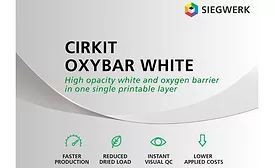
This unique integration marks a fundamental shift in packaging design, transforming barrier performance from a dedicated material layer into a functional property of the ink itself.
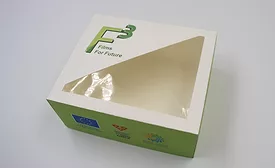
A new cellulose-based material platform developed in Finland responds to tightening regulatory requirements and industry pressure to both replace and reduce plastic in packaging.
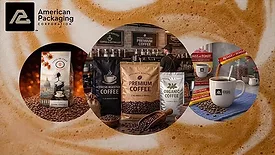
American Packaging Corporation (APC) supports coffee brands with flexible packaging solutions that combine product protection, shelf appeal, and operational efficiency across a range of retail and commercial applications.
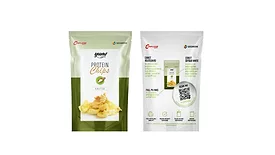
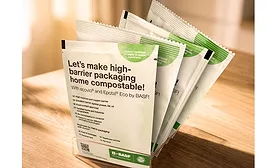
Through close collaboration between the technical and R&D teams of both companies, the partners conducted comprehensive trials, generating application-oriented insights that supported the optimization of the new high-barrier mono-PP pouch structure for food packaging.
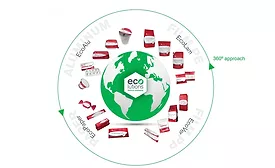
Extended portfolio enables manufacturers of flexible packaging and brand owners to tailor barrier performance and end-of-life options according to application functionalities, processing technologies, and regulatory frameworks.
As EPR regulations continue to tighten and evolve, Connor Sharkey, Regulatory and Specifications Manager at Food Nutrition Partners, outlines the key changes that food manufacturing businesses should know about—and explains how they can prepare.