
Packaging Strategies logo
search
cart
facebook twitter linkedin youtube
  • Sign In
  • Create Account
  • Sign Out
  • My Account
Packaging Strategies logo
  • FEATURED
    • Brand Packaging
    • Extended Producer Responsibility
    • New Products & Materials
      • Featured Products
    • Packaging News
    • Packaging Perspectives Podcasts
    • Steve Fairfield Innovation Award
    • Supply Side
    • Top 100 Food & Beverage Packaging Companies
      • Submit Your Company
  • FLEXIBLE PACKAGING
  • VERTICAL MARKETS
    • Beer / Wine / Spirits Packaging
    • Beverage Packaging
    • Candy / Confectionery
    • Dairy Food Packaging
    • FoodService Packaging
    • Household Packaging
    • Meat / Seafood Packaging
    • Personal Care Packaging
    • Pet Food Packaging
    • Pharma / Medical Packaging
    • Produce Packaging
    • Snack Food Packaging
  • MATERIALS
    • Adhesives / Sealants
    • Beverage Multipacks
    • Blister Packaging
    • Cans & Bottles
    • Closures/Lids
    • Films & Coatings
    • Labels
    • Material Converting
    • Paperboard / Corrugated / Cartons
    • Rigid Containers
    • Sustainable Packaging
  • MACHINERY
    • Automation / Controls
    • Case Forming / Packing / Sealing
    • Cartoning
    • Coding / Marking / Printing
    • Conveyors
    • Form-Fill-Seal / Filling & Closing
    • Inspection / Detection / Vision
    • Labeling
    • Unitizing / Palletizing
    • Robotics
    • Track & Trace / Serialization
  • DIRECTORIES
    • Packaging Strategies Resource Guide
    • Flexible Packaging Buyer's Guide
  • EVENTS
    • Converters Expo
    • Converters Expo South
    • Global Pouch Forum
    • Industry Events
    • Webinars
  • MORE
    • Videos
    • Book Store
    • Classifieds
    • Custom Content & Marketing Services
    • eXTRA Newsletter
    • Market Research
    • PACKSTRAT Wordplay
    • PS Resource Guide
    • Sponsor Insights
  • EMAG
    • eMagazines
    • Archived Issues
    • Contact Us
    • Advertise
  • SIGN UP!
Extended Producer Responsibility (EPR)

Navigating Packaging EPR Mandates: A Strategic Roadmap for Producers
By Zach Muscato
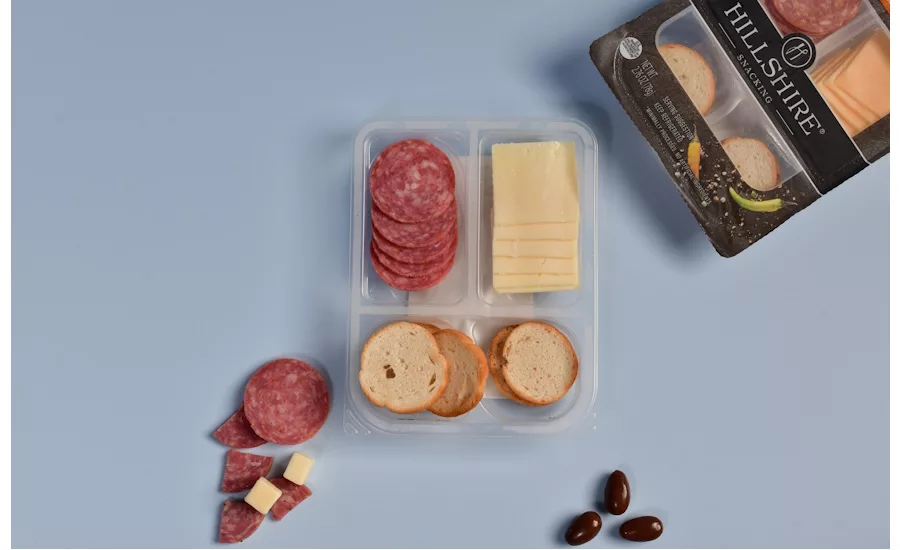
Example of thermoform packaging for snack food.
Image provided by Plastic Ingenuity

Example of thermoform packaging for snack food.

October 12, 2025

The U.S. packaging industry is undergoing a significant, mandatory transformation. With seven states—Maine, Oregon, California, Colorado, Minnesota, Maryland, and Washington—enacting Extended Producer Responsibility (EPR) for packaging laws, the regulatory landscape is rapidly evolving. Producers cannot afford a reactive stance; compliance must be a core business strategy.

EPR laws fundamentally shift the financial and operational responsibility for packaging waste management from municipalities to producers. This structure, which incorporates eco-modulation, is designed to incentivize a circular economy by promoting recyclable designs, plastic material reduction, and greater use of post-consumer recycled (PCR) content. For packaging manufacturers and brand owners, navigating these complex, jurisdiction-specific rules requires a proactive strategic response.

The Three Tenets of EPR Compliance

While implementation timelines and requirements vary, all U.S. EPR for packaging policies feature three key pillars. 

1.    Design for Recyclability

As EPR mandates expand, designing for recycling is no longer optional—it’s essential. Recyclability must be embedded early in the product development process, not addressed as an afterthought.

  • Follow Industry Standards: Use the Association of Plastic Recyclers (APR) Design® Guide for new and redesigned packaging. The How2Recycle labeling program also helps ensure packages successfully enter recycling streams.
  • Material Selection and Substitution: Replace problematic plastics like polystyrene (PS) and polyvinyl chloride (PVC) with widely recycled materials such as PET (RIC 1), HDPE (RIC 2), and PP (RIC 5).
  • Address Additives: Transition away from carbon black to black colorants that are detectable by a material recovery facility’s (MRF) near-infrared (NIR) sorting technology.
  • Structural Integrity and Compatibility: Ensure oxygen and moisture barriers that are critical for food safety and shelf life are compatible with existing recycling streams. Lids, adhesives and labels must also be considered.

2.    Source Reduction

Using fewer materials in packaging is a highly effective way to reduce environmental impact, minimize overall waste management, and cut production costs.

  • Optimize Design: Implement lightweighting by reducing material thickness and right-sizing packages to avoid unnecessary material use.
  • Holistic Review: Eliminate extraneous secondary or tertiary packaging elements. Consider transitioning to reusable packaging systems where possible.
  • Manufacturing Advantage: Thermoforming is inherently lighter and limits material inefficiencies compared to injection molding processes, supporting immediate material reduction goals.
  • Strategy for National Brands: Aligning with the most stringent source reduction requirements will streamline processes and reduce the complexity of multi-state compliance.
  • Data Transparency: Tools like Plastic Ingenuity’s Sustainable Packaging Assessment help brands track, measure, and report improvements toward meeting source-reduction targets.

3.    PCR Content

PCR requirements are ramping up alongside EPR policies, aiming to drastically reduce reliance on virgin plastic. Securing a verified supply of PCR is a critical near-term challenge.

  • Jurisdiction-Specific Mandates: Producers must pay close attention to state-by-state variations, such as whether PCR percentages can be averaged across container categories or if they are required in every individual package.
  • Verification and Compliance: Scrutinize supplier processes. Some EPR laws exclude PCR derived from mass balance or chemically recycled sources. 
  • Third-Party Certifications: For food-grade packaging, obtaining FDA No Objection Letters (NOLs) is non-negotiable. ISCC PLUS certification verifies supply chain integrity and validates sustainability claims.
  • Metrics and Reporting: Establish robust internal systems to track and measure the impact of PCR usage—quantifying virgin plastics avoided, estimated greenhouse gas (GHG) emissions avoided, and material circularity improvement. Tools like Life Cycle Assessments (LCAs) and supplier impact calculators help quantify these metrics.

From Compliance to Competitive Advantage

Non-compliance with packaging EPR regulations is not a viable business risk. Penalties, such as California’s potential $50,000 per day per violation, can quickly eclipse the cost of proactive adaptation. Furthermore, states may prohibit the sale of products in non-compliant packaging, severely impacting market access. Non-compliance may even result in suspension or loss of packaging distribution licenses.

Evidence for the beneficial impact of EPR is strong. A study by The Recycling Partnership of seven global EPR programs shows recycling rates climbed as high as 90% post-implementation.

U.S. producers who concentrate on the three core tenets—Recyclable Design, Source Reduction, and PCR Integration—are not just meeting mandates, they are de-risking their supply chain, optimizing material costs, and demonstrating market leadership. Proactive compliance is the clear path to advancing broader sustainability goals while ensuring business continuity in this rapidly evolving regulatory environment.

Tools of the Trade

Plastic Ingenuity has developed an EPR Toolkit with actionable insights, tools, and industry best practices—but not legal advice—to help producers meet regulatory requirements. Companies that qualify as obligated producers under EPR laws must register with the designated producer responsibility organization (PRO) in each applicable state. Refer to Plastic Ingenuity’s Toolkit to stay ahead of changing regulations while reducing environmental impact and supporting a circular economy.


KEYWORDS: packaging regulations thermoforming

Share This Story

Looking for a reprint of this article?
From high-res PDFs to custom plaques, order your copy today!

Zach muscato 230x230

Zach Muscato is the Director of Sustainability and Innovation at Plastic Ingenuity and helped the company achieve a Silver EcoVadis Sustainability Rating. He has dedicated his career to the thermoformed packaging industry.

Recommended Content

JOIN TODAY
to unlock your recommendations.

Already have an account? Sign In

  • Golden award trophy in the shape of a star. Text: 2026 Top 100 Food and Beverage Companies

    Top 100 Food and Beverage Packaging Companies of 2026

    Celebrating 30 years as a B2B journalist, I’ve revisited...
    Sustainable Packaging
    By: Brad Addington
  • Women In Packaging 2025 homepage hero

    Women in Packaging: Seizing Opportunities, Pushing Boundaries

    Seven women share their personal journeys in the...
    Special Reports
    By: Brad Addington
  • Image of the Spyder Pick and Place Joint Robot sorting pre-rolls.

    Cannabis Packaging Goes High-Tech

    Packaging Strategies doesn't often cover cannabis...
    Inspection/Detection/Vision
    By: Brad Addington
Subscription Center
  • eMagazine Subscription
  • Manage My Preferences
  • Newsletters
  • Subscription Customer Service
  • Online Registration

More Videos

Sponsored Content

Sponsored Content is a special paid section where industry companies provide high quality, objective, non-commercial content around topics of interest to the Packaging Strategies audience. All Sponsored Content is supplied by the advertising company and any opinions expressed in this article are those of the author and not necessarily reflect the views of Packaging Strategies or its parent company, BNP Media. Interested in participating in our Sponsored Content section? Contact your local rep!

close
  • Hand Holding Various Semaglutide and Insulin Injection Pens for different stages of the treatment.
    Sponsored byInline Plastics

    How GLP-1 Is Reshaping Food Packaging, and Why It Matters More Than You Think

  • A stack of clear plastic containers, the bottom full of mixed fruit
    Sponsored byInline Plastics

    Packaging Trends Shaping 2026: Where Trust Is Won

Popular Stories

Podcast | Packaging EPR’s 2026 Reality Check” with guest Anna Kendall headshot and title. Also pictured Cardboard boxes on conveyor belt.

PODCAST | Packaging EPR’s 2026 Reality Check

Logo for New Earth Ventures

Atlantic Packaging Launches New Earth Ventures to Accelerate Packaging Technology

Image of persimmons fruit in plastic packaging

IFPA Issues Position on EPR as Compliance Deadlines Hit Fresh Produce Industry

See the Top 100 Food and Beverage Packaging Companies of 2026

Products

Advances in Sustainable Food Packaging Technology

Advances in Sustainable Food Packaging Technology

See More Products

Packaging Perspectives Podcast

Play Packaging Strategies' captivating WordPlay game, PackStrat! There's a new word every Tuesday.

Related Articles

  • Industry Outlook on EPR Mandates with Dan Felton

    It’s Time for Packaging Companies to Prepare for EPR Mandates

    See More
  • Sell or Grow in 2022? A Roadmap for Flexible Packaging Business Owners

    See More
  • Package Prototyping with Film Media - A Roadmap for Success

    See More

Related Products

See More Products
  • sustainable.jpg

    Managing Packaging Design for Sustainable Development: A Compass for Strategic Directions

  • creating-value.jpg

    Creating Value Through Packaging: Unlocking a New Business and Management Strategy

  • Food Packaging and Shelf Life: A Practical Guide

See More Products

Related Directories

  • California League of Food Producers

    The California League of Food Producers (CLFP) has been the voice and the advocate for California's food producing industry since 1905. CLFP represents the interests of both large and small food processors and beverage producers throughout the state and works to help ensure a favorable and profitable business environment for its members and the entire food-producing industry.
  • California League of Food Producers

    The California League of Food Producers (CLFP) has been the voice and the advocate for California's food producing industry since 1905. CLFP represents the interests of both large and small food processors and beverage producers throughout the state and works to help ensure a favorable and profitable business environment for its members and the entire food-producing industry.
×

Keep the info flowing with our Newsletters!

Get the latest industry updates tailored your way.

JOIN TODAY!
  • RESOURCES
    • Advertise
    • Contact Us
    • Directories
    • Store
    • Want More
  • SIGN UP TODAY
    • Create Account
    • eMagazine
    • Newsletter
    • Customer Service
    • Manage Preferences
  • SERVICES
    • Marketing Services
    • Reprints
    • Market Research
    • List Rental
    • Survey/Respondent Access
  • STAY CONNECTED
    • LinkedIn
    • Facebook
    • YouTube
    • X (Twitter)
  • PRIVACY
    • PRIVACY POLICY
    • TERMS & CONDITIONS
    • DO NOT SELL MY PERSONAL INFORMATION
    • PRIVACY REQUEST
    • ACCESSIBILITY

Copyright ©2026. All Rights Reserved BNP Media, Inc. and BNP Media II, LLC.

Design, CMS, Hosting & Web Development :: ePublishing