
Fresh Produce
Compostable Labels: Helping Brands Advance Toward Zero-Waste Goals
Despite their small and innocuous size, produce stickers will be a key focus of new packaging mandates,
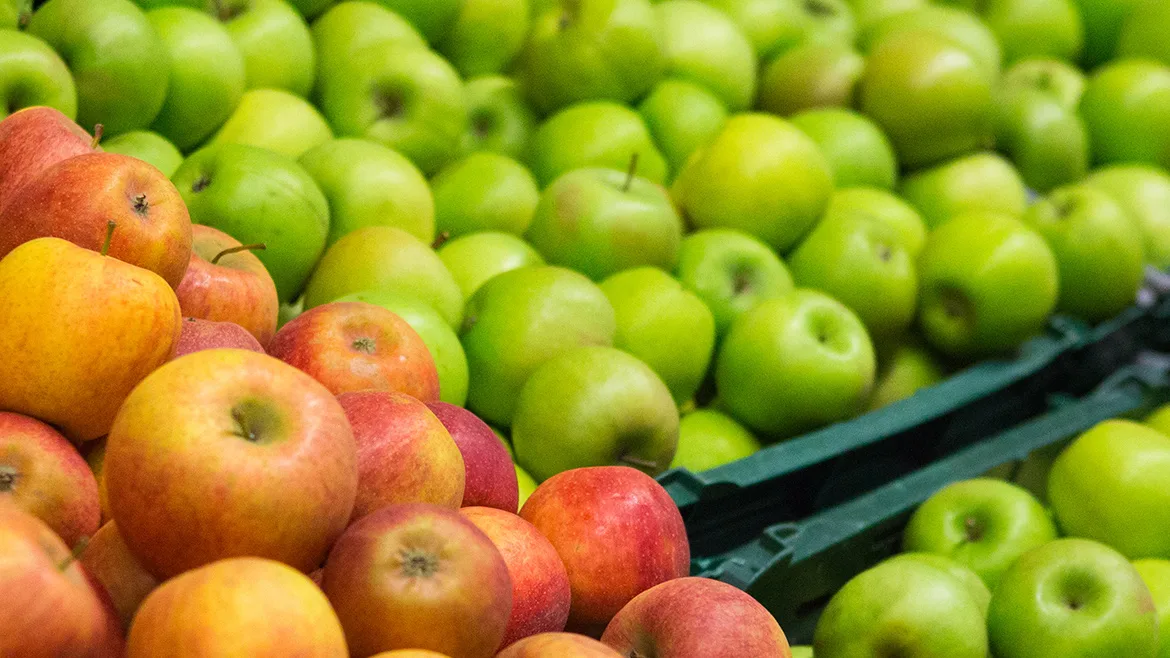
Just like all the other sectors within the food and beverage market, fresh produce brands are on a mission to improve their sustainability efforts. Fortunately, a significant portion of produce is sold “loose” because many fruits and vegetables naturally come with tough skins that act as protective packaging. This multi-functional barrier negates the need for produce brands to use plastic wrap or pouches, giving the product an inherently sustainable packaging system straight from nature.
Even though a lot of different produce comes with natural packaging in the form of skins, peels, and rinds, fresh produce labels, also called PLU (price look-up) stickers, are still used to communicate the brand to consumers and give retail workers a quick and easy way to refer to the item on their point-of-sale systems. These produce labels are traditionally made from conventional plastic that cannot be recycled and are often discarded in food waste bins, disrupting organic waste streams and contributing to microplastic pollution.
The Negative Impact of Traditional Fresh Produce Labels on Sustainability
Despite their small and innocuous size, produce stickers can be quite harmful to sustainability efforts. If consumers don’t remove these plastic labels from the skins of their produce, they can very easily be overlooked and enter the compostable waste stream — countering well-intentioned efforts to sustainably dispose of organic waste. And because fruit and vegetable stickers are so small, thin, and flexible, fragments can oftentimes make it past the sieve used during compost processing, enabling plastic particles to remain in the final compost. When these plastics contaminate a finished compost, they can continue to break down into micro- and nano-plastics, affecting soil health by disrupting soil structure and introducing harmful toxins.
Despite diligently working to educate consumers about the impact these plastic stickers can have and encouraging them to remove the labels before disposal, produce stickers are one of the top five most persistent contaminants that enter composting facilities. So, what can we do other than hope to catch all the labels when they inevitably enter a composting facility? Compostable produce labels offer a viable alternative without the added burden on industrial composting facilities or consumers.
Compostable Labels Provide a Meaningful Step Forward
As a highly preferred target within the waste management hierarchy, compostable packaging helps brands address the challenges that come from plastic pollution via the design phase. And instead of simply doing less harm, compostable packaging materials are typically designed to give back to the environment — transforming into stable organic matter that helps rebuild the world’s topsoil.
As the technology for compostable packaging has advanced, these alternative formats can now replicate the functional benefits of conventional plastic packaging while breaking down within 180 days under compost conditions. For example, modern compostable pouches provide necessary moisture and oxygen barriers, extend product shelf life, and retain the lightweight design and flexibility of traditional formats, all with a built-in circular solution for its end-of-use. Today, the same innovations can be applied to fresh produce labels.
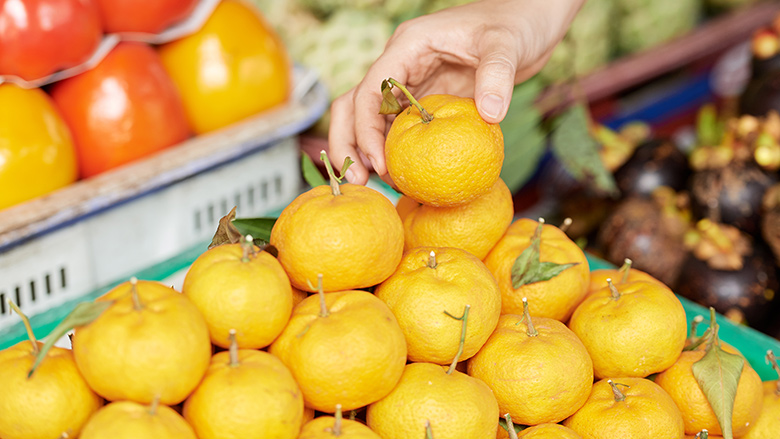
Image courtesy of DragonImages / iStock via Getty Images Plus
From the misting of certain fruits and vegetables in grocery stores to maintain their moisture and prevent wilting, to the natural oils present on produce like citrus or avocados, flexible produce labels require excellent resistance to moisture to ensure they stick and remain securely adhered. Additionally, while some produce has smooth skin, like a banana or mango, others have more complex, rougher exteriors — like that of an orange or cantaloupe. By pairing compostable films that are moisture- and temperature-resistant with compostable pressure-sensitive adhesives, compostable labels can benefit all types of produce, offering a sustainable solution inspired by nature.
And switching to compostable labels doesn’t need to be difficult; continued innovation in compostable packaging has ensured that this technology is compatible with conventional label printing presses and application techniques, enabling produce brands to switch to a compostable sticker without needing to overhaul their existing production lines.
The Regulatory Expectation for Compostable Produce Labels
Beyond their clear sustainability benefits, evolving global regulatory frameworks are also driving momentum toward compostable produce labels. As policymakers continue to look for viable ways to reform packaging waste and reduce greenwashing, produce labels have become a key part of these conversations. In fact, the Packaging and Packaging Waste Regulation (PPWR), adopted by the European Parliament, includes a requirement that sticky labels for fruit and vegetables be industrially compostable (and home compostable where required by member states) by February 12, 2028.
While the regulatory framework is a bit more fragmented in North America, the call for compostable labels is a focus. As of early 2026, there is no nationwide requirement that all produce labels be compostable in Canada, but the transition is underway. Launched in 2025, the Federal Plastics Registry requires organizations to report specific metrics on the types of plastic they manufacture, import, and place on the market. With these numbers in review, the Federal Plastics Registry introduces gentle accountability on producers to make the switch to compostable options as a way to avoid reporting high volumes of non-recyclable plastics. Additionally, while not yet finalized and enforced, Environment and Climate Change Canada (ECCC) has proposed the requirement to make all plastic PLU stickers compostable under the Canadian Environmental Protection Act.
In the United States, state-level action is currently driving momentum for compostable labels. For example, California’s SB 54 bill aims to reduce single-use plastic packaging, which includes plastic produce labels, and ensure all packaging is recyclable or compostable by 2032. As more states recognize the issue of produce stickers as physical contaminants in organic waste streams, these packaging laws will continue to grow and encourage producers to adopt compostable alternatives.
Work With the Waste Stream — Not Against It
For produce labels and other types of packaging that are in direct contact with food, certified compostable solutions help close the gaps where traditional plastic formats fall short. They provide an end-of-life pathway that aligns with how consumers actually dispose of food materials. When fresh produce stickers are made to break down with the organic matter they’re attached to, brands can make meaningful progress toward their zero-waste goals while staying ahead of growing consumer expectations and compostability-driven legislation.
Looking for a reprint of this article?
From high-res PDFs to custom plaques, order your copy today!