
Design for the Changing Environment
Today’s environmentally-savvy consumers want innovative package design that addresses ecological implications
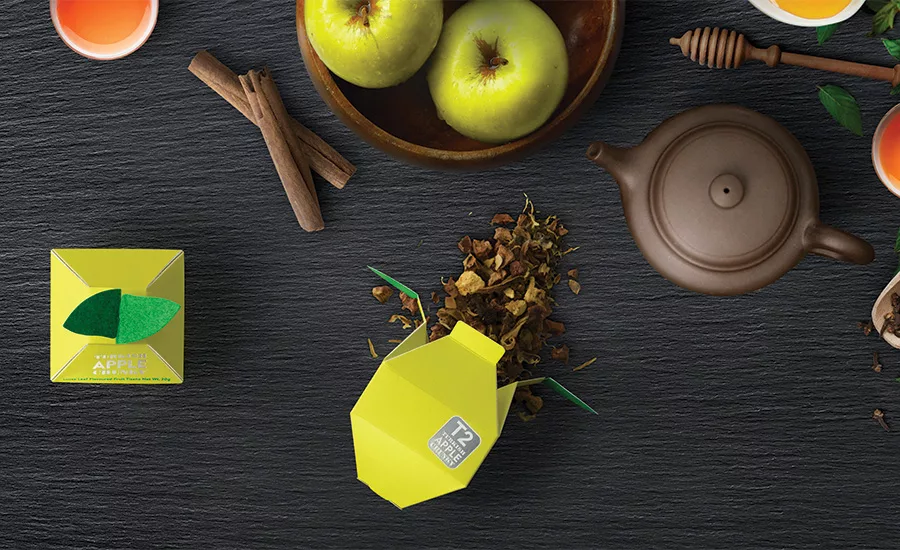
T2 Mini Fruits packages are 100% glue-less, eco-friendly and printed on the uncoated side of MetsäBoard Pro FBB Bright 250 g/m2 fresh fiber paperboard and replicate the natural feel of the fruit.
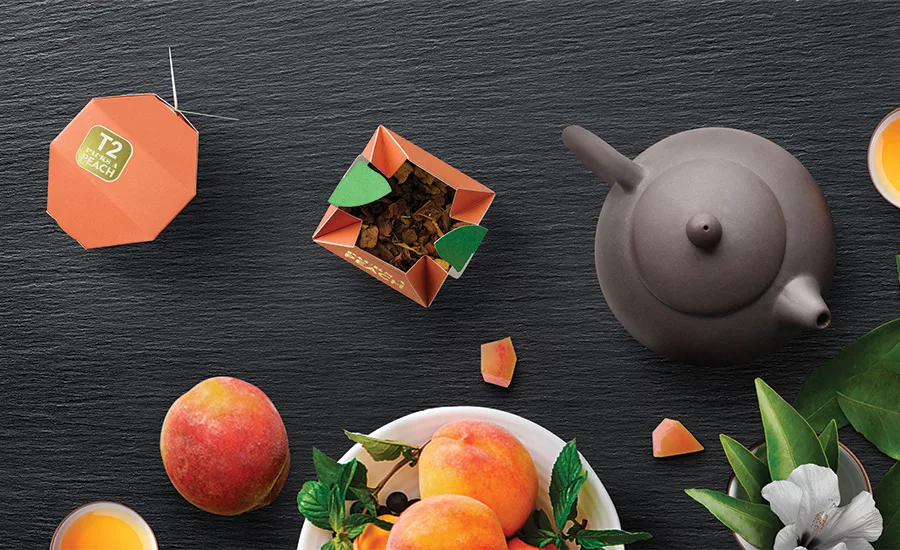
T2 Mini Fruits packages are 100% glue-less, eco-friendly and printed on the uncoated side of MetsäBoard Pro FBB Bright 250 g/m2 fresh fiber paperboard and replicate the natural feel of the fruit.
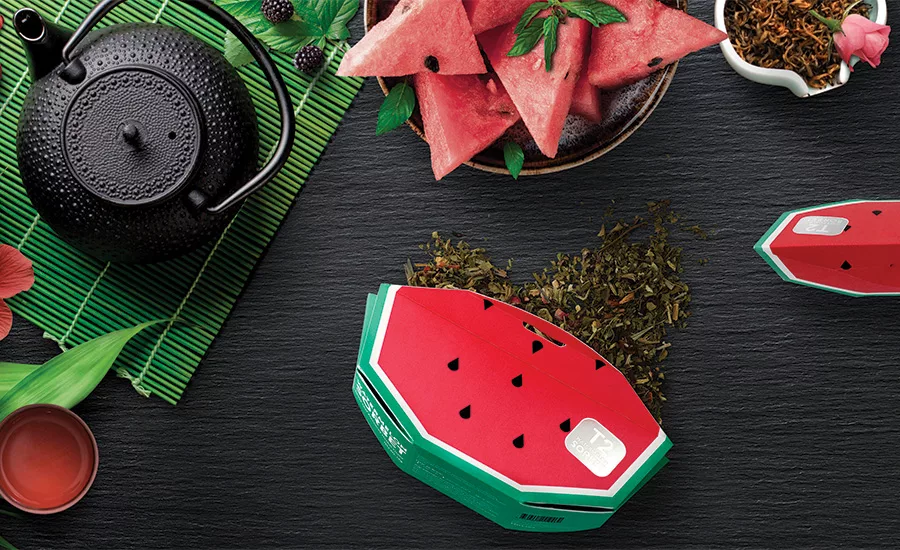
T2 Mini Fruits packages are 100% glue-less, eco-friendly and printed on the uncoated side of MetsäBoard Pro FBB Bright 250 g/m2 fresh fiber paperboard and replicate the natural feel of the fruit.
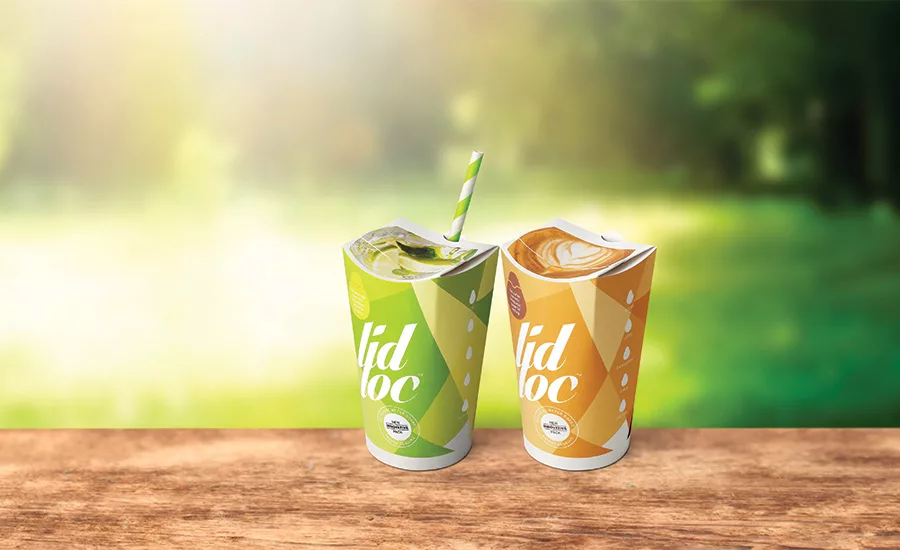
The Lidloc patented design is an extension of a standard cup structure that conveniently folds and locks into an integrated lid, eliminating the need for a separate plastic lid.
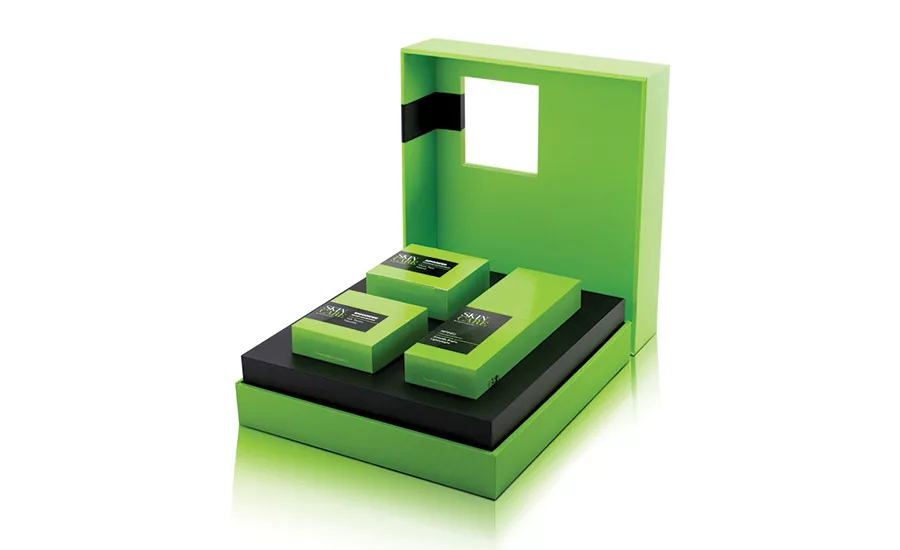
A glue-less rigid box for skin care uses 100% recyclable paperboard, zero plastic wrapping and includes an inner carton for a unique user experience. The PET window is designed for easy removal for material separation and recycling.
As the strain on the earth’s resources continues to increase, it is crucial that we become solution focused and continue to find ways to utilize the renewable materials that more and more consumers are demanding.
Unfortunately, there are far too many examples of poorly designed packaging in today’s market. The worst culprits are the ones manufactured with mixed materials such as transparent plastic windows glued to paperboard which make the packaging impossible to recycle. Others are blatantly packed with too many layers and substrates. In some cases, the overall weight of the package is heavier than the content itself. Who really needs multi-packed fruits or vegetables with plastic trays and film or a single banana packed in a plastic pouch? The banana itself represents the best packaging in the world—the skin protects and preserves the contents, the act of peeling represents the optimum opening experience and it’s 100 percent biodegradable.
There must be a concerted effort to look for sustainable solutions. Packaging is an integral part of a product and the buying experience, but even if it’s recyclable it still produces waste. Our role as designers is to make sure that we are reducing the environmental impact during the entire packaging lifecycle.
We can point to the growing trend in organic and healthier food consumption to helping fuel the need for more eco-friendly and natural packaging solutions. Heightened consumer awareness coupled with a greater shift to sustainable packaging is evident with many brands looking for ways to meet consumer expectations, influence purchasing decisions and build brand loyalty.
Here are six ways designers can work with brand owners to create packaging that is sustainable and innovative:
- Take a lifecycle approach to package design by using a “design for recyclability” mindset.
- Evaluate each component of the packaging with the intention of reducing weight and/or the number of components.
- Analyze the packaging size and explore space-saving opportunities.
- Look for opportunities to make packaging reusable (where it makes sense).
- Design convenient packaging that has features consumers want without adding extra materials.
- Focus on improving the consumer experience without overpackaging.
Metsä Board encourages the adoption of an eco-design checklist that indicates if the package is made of renewable, recyclable and responsibly sourced materials and whether the origin of the raw material can be verified.
For example, do you know where the material comes from? Is it sourced from sustainably managed forests? Is the packaging that you buy mono-material? For example, are you using a very heavy plastic window glued on the paperboard to enable the consumer to see the contents? Sure, there are products consumers want to see, but at the same time they want to buy packaging that’s sustainable. That means choices need to be made. An eco-friendly alternative to using a plastic window can include printing a photo-realistic scale of the product on the face of the packaging that gives the illusion of seeing the content. We need to design with sustainability in mind while also being aware of consumer wants.
An effort to find a creative, sustainable and effective solution led to the glue-less packaging structures for the Victorinox knife and the T2 tea package. (The T2 brand includes an array of fruit and herbal teas.) With practicality in mind, T2 Mini Fruits were designed to be easy/fast to assemble, and the opening of the package created a new experience for the consumer, similar to actually peeling a fruit. The packaging is also 100% glue-less, organic and environmentally friendly. The design is printed on the uncoated side of the paperboard with water-based ink to replicate the natural feel of the fruit while the logo has been reworked to resemble tiny fruit stickers.
Another example, Lidloc, represents the ultimate combination of sustainability and consumer convenience by turning a traditional paper cup into an innovative, integrated paper-lid cup that speaks to the growing trend of beverages on the go. By removing the separate plastic lid and integrating it with the paperboard structure, we now have a simple, fast and secure lid and a built-in sip feature that eliminates the plastic straw. Since the whole structure is made with paperboard the cup is also easier to recycle.
The trend toward sustainable and eco-friendly design will only continue to intensify. Consumers have changed. They’re more conscious about connecting to the environment and we’re all thinking about the next generation, so our role as designers is to think about how we can make a change.
It’s important to spend time on innovation and constantly challenge brand owners to think this way and be open to new and better ways to package their products. Together, we can take the steps needed to make a big impact.
Looking for a reprint of this article?
From high-res PDFs to custom plaques, order your copy today!