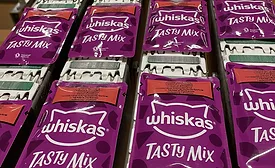
The new WHISKAS® pouches are designed to be recyclable, compatible with current or emerging recycling infrastructure. The switch to recyclable material has reduced the carbon footprint of the packaging by 46%.
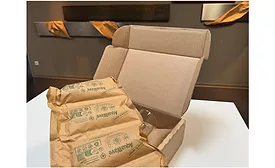
The compostable paper pouch uses an innovative water-based barrier coating to ensure the products are protected to preserve freshness and provide the best possible consumer experience.
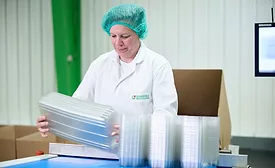
The collaboration with packaging manufacturer SHARPAK Aylesham aims to extend the shelf life of strawberries, raspberries, blackberries, blueberries and grapes, reducing food waste.
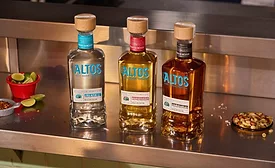
Inspired by Mexico’s vibrant rótulos – hand-painted street signs known for their expressive character and typography – the new bottle celebrates the “Maker Spirit” at the heart of Altos’ artisanal process
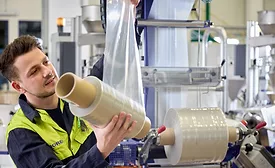
The grade is part of Borealis’ Borcycle™ M portfolio—a range of mechanically recycled polyolefins made from post-consumer waste. These materials combine a reduced carbon footprint with reliable performance, making them suitable replacements for virgin polyolefins in many applications.
The 37 German Packaging Award 2025 winners come from Germany, Iran, Austria, Switzerland and the USA. The German Packaging Institute (dvi) also received innovations from China, England, France, Italy, the Netherlands, Sweden, Serbia, Spain, the Czech Republic and Turkey.
The Metalvac range offers various paper grades with heat-sealability and light, water vapor, oxygen, and aroma barriers, as well as resistance to moisture and grease (PFAS-free).
Suppliers are finding new ways to reduce the environmental impact of their packaging, while also offering the same protection that is crucial for making sure produce is fresh at the time of purchase.
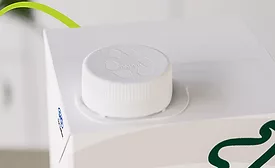
In its mission to create a fully regenerative food packaging system, SIG is steadily increasing the paper content of its aseptic cartons, to enhance renewability, and further reduce carbon footprints and the use of fossil-based materials.