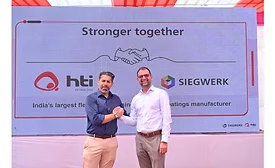
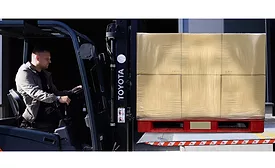
By bringing together complementary strengths, expanded production capabilities, and a wider product offering, Siegwerk is set to deliver greater value, innovation and supply reliability to packaging converters and brand owners across the country.
RRI is structured as a long‑term, iterative implementation model that builds on past pilots, shared costs, and actionable initiatives. Its cross-retailer, cross-brand approach sets it apart, expanding accessibility to consumers and helping drive higher participation and return rates.
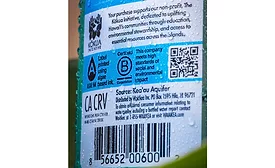
The innovation was sponsored and supported by Waiākea, which earlier this year announced it would be the first food and beverage brand globally to commercialize algae-based inks on its labels across its supply chain.
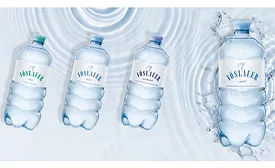
This latest development with one of Austria’s leading mineral water brands underlines the strong partnership between Amcor and Vöslauer and their shared commitment to developing packaging that combines functionality, inclusivity, sustainability and design excellence.
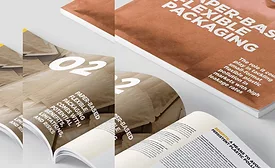
The report has been endorsed by 47 businesses, NGOs, investors and academics with a common vision on accelerating innovation to develop and scale paper-based flexible packaging solutions which are designed responsibly.
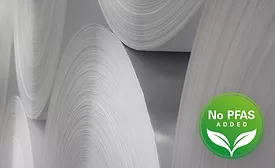
With this portfolio-wide transition, the "No PFAS Added" designation will no longer appear in individual product names, as all Lecta packaging paper ranges are now produced without added PFAS.
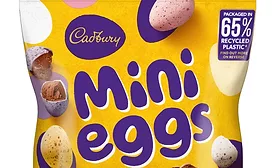
These latest moves continue Mondelēz’s packaging sustainability progress throughout the Easter period. Last year, the company introduced the Cadbury Easter Favourites Pouch with the outer packaging made from paper, and it has previously removed 6.4 million plastic windows across the Easter egg range.
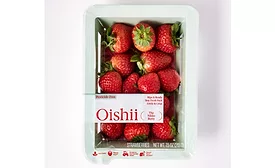
Oishii will preview the new packaging at Natural Products Expo West, offering retailers and industry partners an early look at the latest milestone in the company’s vision to modernize the berry category and redefine what consumers can expect from fresh produce.