It is obvious that the packaging world is taking sustainability in packaging — as well as operations — seriously. The numerous brands, retailers, suppliers and packaging companies that continue to change practices as well as offer lighter, recycled or reusable materials attest to it. But is it enough?
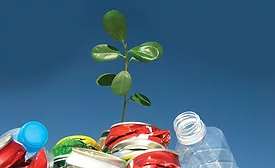
Growing desire to reduce the depletion of natural resources, non-renewable energy sources and rainforests is pushing manufacturers toward more environmentally friendly packaging solutions.
From light-weighted glass and PET bottles to recycled corrugated cartons and compostable plastics, opportunities are out there. Brands and retailers rely upon packaging manufacturers to give them what consumers want — in a cost-effective, time efficient manner.
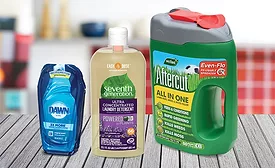
When we think of household packaging we often think of laundry pods, disinfectant spray bottles, and surface cleaners in aluminum cans or rigid containers that include a trigger spray or aerosol. Not anymore.
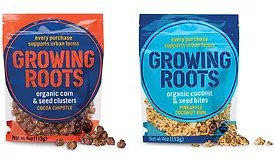
Many well-known brands and start-ups are introducing snack products. The accelerating pace of product introductions is creating opportunities in multiple packaging segments, ranging from flexible pouches to single-serve cups.
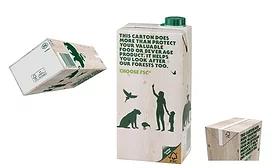
Thanks to a global network of cardboard suppliers who are certified according to the criteria of the Forest Stewardship Council (FSC), from August 2016 100% of SIG Combibloc carton packs for food and beverages can be labelled with the logo of the FSC.
Data from Smithers Pira forecast steady growth across the packaging industry – to reach $997 billion in 2020 – and sustainability will become an increasingly important factor for decision makers at all stages of packaging value chains.