Created for brands, retailers, associations and solution providers impacted by EPR laws, this guideline addresses a growing need for scalable, reliable packaging data management and demonstrates how GS1 Standards can be leveraged for EPR packaging reporting.
This transaction represents SupplyOne’s 48th acquisition and its third in the past three years with a significant protective packaging portfolio, further expanding the company’s geographic footprint and strengthening its value-added packaging solutions across North America.
The adhesive supports applications where labels need to remain functional during use, then wash away during cleaning, power washing, or industrial dishwashing processes.
Agreement helps position Mexico within global recyclability trends by facilitating international alignment of criteria and strengthening the technical capabilities of the sector.
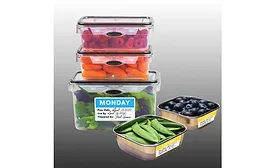
Developed for retail delis, commissaries and packaged meal manufacturers, the expanded line includes new bowl and tray formats with wider rims to support film sealing and a variety of closure systems.
Across the packaging sector, cost inflation driven by energy markets and petrochemical feedstocks has translated directly into higher prices for plastic closures and other packaging products.
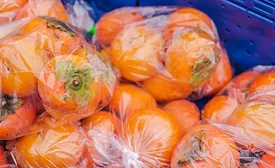
IFPA stresses that fresh produce packaging is “not discretionary” but rather an essential tool for preventing food loss, meeting federal food safety requirements, and getting nutritious food to consumers.
New Jersey’s Recycled Content Law requires manufacturers of rigid plastic containers, beverage containers, and other regulated packaging to meet minimum thresholds of postconsumer recycled content.
The center brings design, engineering and validation under one roof to support the growing demand for packaging that addresses product protection, efficiency and sustainability goals.
 RSS
RSS