Lawsuit alleges that the mandate unfairly targets out-of-state producers, disrupts national markets, and tries to control business outside of Oregon—violating the U.S. Constitution’s limits on state regulation of interstate commerce.
In many countries, EPR is coordinated at a national level. The U.S. approach, by contrast, is state-driven. While this approach enables locally effective solutions, it also introduces major headaches for CPGs who are trying to keep up and comply.
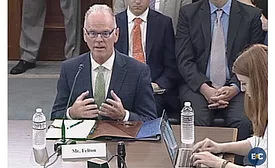
Felton urges federal support for investment in recycling infrastructure, innovation, and national labeling standards to help achieve full circularity for flexible packaging and films
Several deadlines for registering with a state’s Producer Responsibility Organization (PRO) have already passed, including in Colorado and Oregon. Others are quickly approaching.
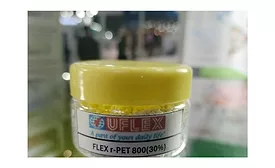
The solution integrates recycled PET with virgin PET in a single pellet, bypassing the need for manufacturers to mix different materials when developing packages for the food and beverage sector. Additionally, the pellets feature a high purity with mechanical and thermal stability.
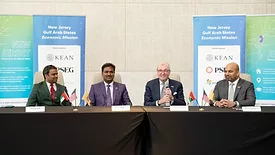
Governors across the United States not only are signing Extended Producer Responsibility (EPR) bills into law but also are fostering economic development by championing the construction of new packaging facilities.
It's great to see breaking news in the packaging industry emerging from the state level, particularly with the introduction of new Extended Producer Responsibility (EPR) laws and economic development surrounding new or expanded packaging facilities.
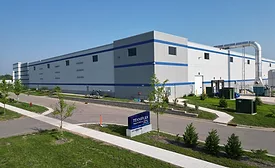
Serving as the premier, flagship location for the company’s Barrier Protection Systems business, the plant will combine state-of-the-art manufacturing technologies with materials science experts – all toward the goal of expanding capabilities and access to crucial protective solutions throughout North America and globally.
The bill expresses concern that solid waste may soon exceed landfill capacity in all of Hawaii’s counties, adding that the state would benefit from reduced waste production by expanding alternative strategies like reuse, refill, composting, and recycling.
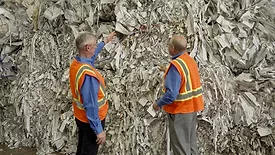
Mid America Paper Recycling (MAPR) helps packaging manufacturers maximize the value of their recyclables through its “Growing the Worth of Your Waste” audit program, focusing on revenue, efficiency, and preparing for Extended Producer Responsibility (EPR).
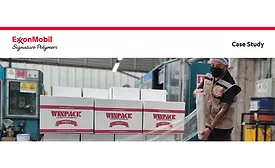
ExxonMobil partnered with Winpack Group, a leading flexible packaging converter in Chile, to address growing demand for circular solutions that support the country’s Extended Producer Responsibility (EPR) laws.
 RSS
RSS