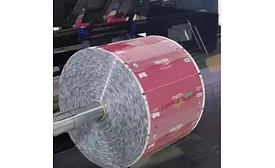
The innovation behind PaperFlow P-type was recently recognized with the Pap’Award in the category of “Circularity in Food Packaging.” The award honors packaging solutions that make a measurable contribution to the circular economy while meeting the practical requirements of industrial packaging applications.
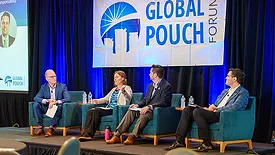
We sat down with Latricia Fry of Inteplast to discuss how both mono-material and multi-material flexible packaging formats are viable options when it comes to meeting Extended Producer Responsibility mandates.
New Jersey’s Recycled Content Law requires manufacturers of rigid plastic containers, beverage containers, and other regulated packaging to meet minimum thresholds of postconsumer recycled content.
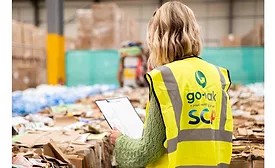
Mike Bristow of Go-Pak Group says the packaging industry is moving away from the binary debate of "good" versus "bad" plastics. Instead, 2026 is the year of systemic compatibility. A material’s value is defined by its ability to be identified, sorted, and reprocessed without loss of utility.
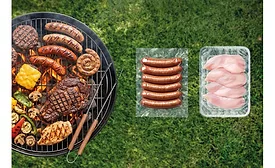
SÜDPACK offers a broad range of conventional reusable laminates as well as material-efficient, recyclable material structures, covering a wide range of packaging designs and product and machine requirements.
The combined advantages—including label-free decoration, elimination of consumables, customization options, reduced packaging waste, and simplified end-of-life processing—offer a solution for brands looking to minimize their environmental impact while improving production efficiency.