Make Packaging Visible, Visceral and Memorable
Three key design components create a meaningful, memorable identity that connects directly to the brand positioning.
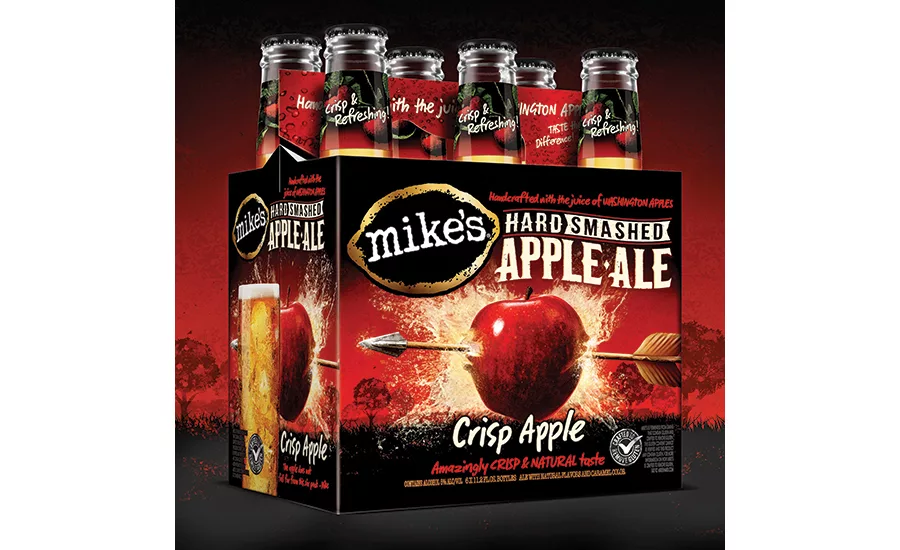
Bold colors with strong contrasts are eye-catching ways to increase a package’s visibility on cluttered shelves. All images provided by Perspective: Branding
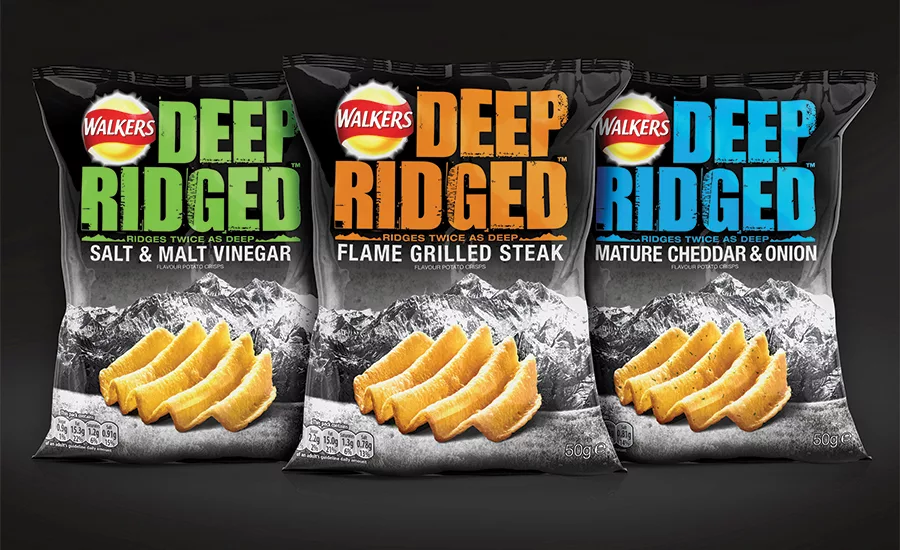
Bold colors with strong contrasts are eye-catching ways to increase a package’s visibility on cluttered shelves.
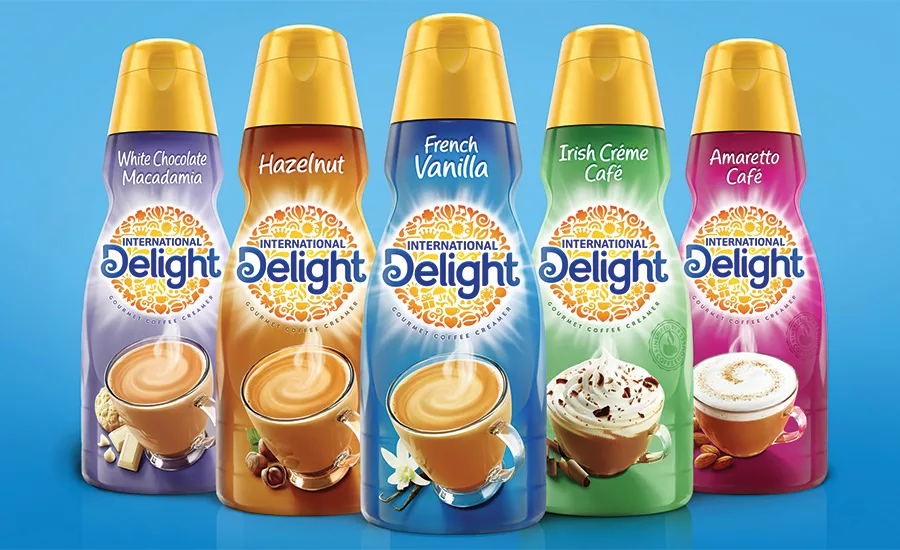
Packaging, such as the examples shown here, is meant to create an emotional response that shoppers will remember. That image is key to building brand loyalty.
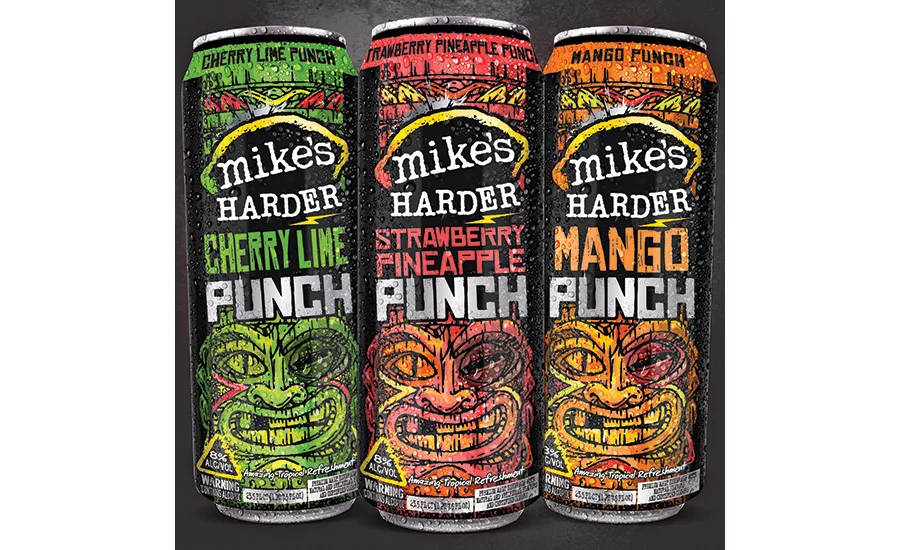
Packaging, such as the examples shown here, is meant to create an emotional response that shoppers will remember. That image is key to building brand loyalty.
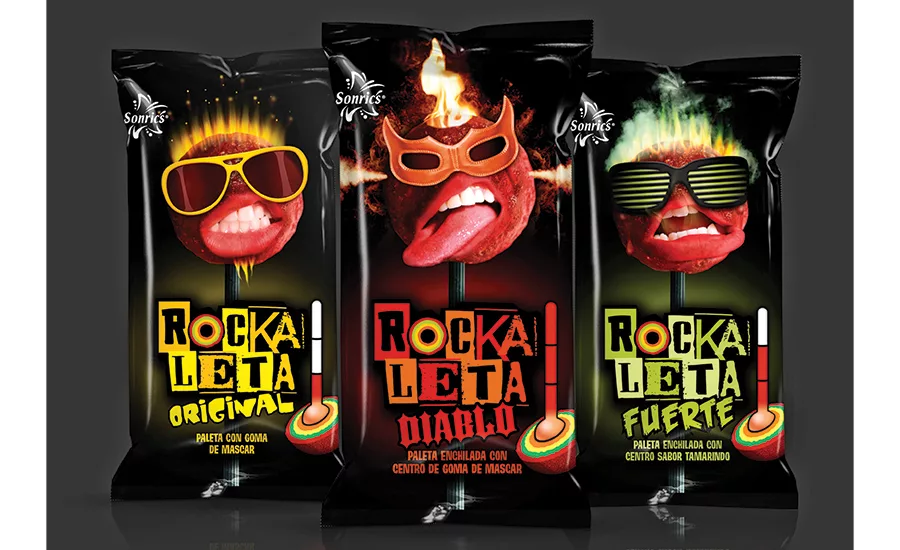
Packaging, such as the examples shown here, is meant to create an emotional response that shoppers will remember. That image is key to building brand loyalty.
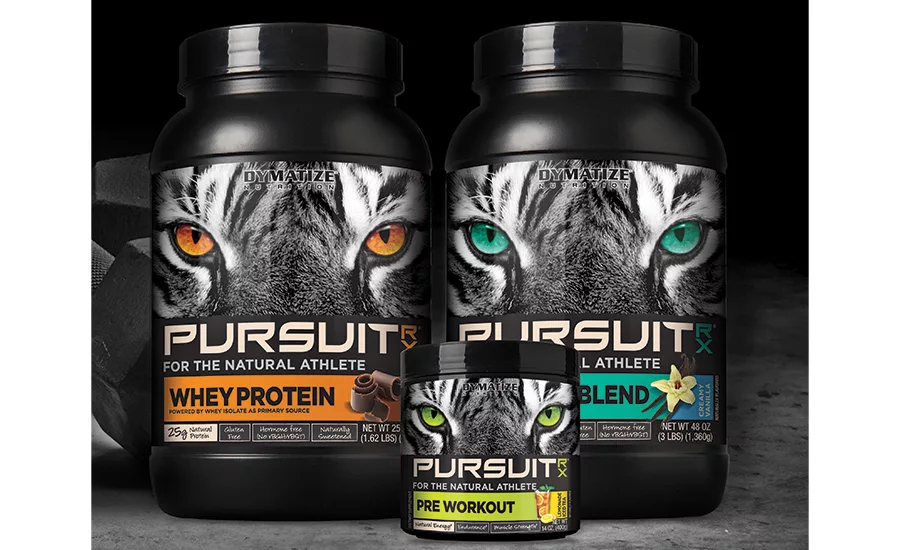
Packaging, such as the examples shown here, is meant to create an emotional response that shoppers will remember. That image is key to building brand loyalty.
A recent Nielsen study in the U.K. reveals how a good packaging design remains a successful way to impact consumers’ decision making and, ultimately, product purchasing behavior. Remembering this is key when your marketing investment is pulled in different directions by new technologies and by social media increasingly vying for consumers’ time and money.
“Nearly 60 percent of product decisions are made at the shelf, and 56 percent of European consumers say in-store discovery is one of their top information sources for new products, compared to 45 percent for TV ads,” says Ben Schubert, SVP at Nielsen Innovation Practice.
With myriad products in brick and mortar and online stores, how do we go about creating packaging for brands that will not only make the cut for retailers to stock but also cut through consumer clutter and confusion at the shelf? Stand for something.
With the latest technology allowing young designers to create snappy designs with relative ease, there is a genuine risk that brands will replace a creative brand narrative with a design style and we’re seeing that happen. However, style can never replace a good idea, no matter how beautiful it looks. Brand narrative is the substance that’s needed in today’s hyper-competitive retail landscape. We love brands that have an authentic story, that stand for something. Frankly, these brands are the ones that stand out, the ones we can connect to, the ones that have a role in our lives.
Connect Design to Positioning
To tell an authentic story, the design must be substantial. It must have a meaningful, memorable identity that connects directly to the brand positioning. This must be unique and “ownable,” thereby building equity over time. Packaging created for today is already out of date, and design that relies on a trend or style to communicate the brand promise will, over time, disappear into a product. Brand design legend and founder of Landor Associates, Walter Landor, once famously said: “Products are built in the factory, brands are built in the mind.” Be authentic. Tell the brand story. Don’t disappear into the abyss.
Consider food products. During any discussion of brand identity, we must not forget the food product itself. Designers the world over will always start by creating a logo. That’s what we love to do, how we learned. It’s the “sexy” bit. But creating a story through food representation is equally powerful. Instead of relying on package design, think about how the food inside can support the brand story. Sure, you can stick a flavor icon onto the package, but we prefer to display the food in an ownable way that is “on brand”—a way that’s memorable, that’s unique. This is our starting point, and it adds another level of depth and connection to the brand.
We’re asked by clients and peers all the time at Perspective: Branding if we like something. We don’t think of packaging that way. We believe that the most successful brands in the world all have three key components, and it’s the combination of these three attributes that is so powerful.
As you look at a brand, ask yourself the following questions.
Is it Visible?
A brand must stand out from its competitive set and have stopping power. It doesn’t matter whether it’s an airline or a bag of chips—you won’t last if you aren’t visible.
Use bold, striking, differentiating colors that stand out in the given environment, channel or even season. During Christmas, everyone rushes to plaster their brands with holiday cheer, meaning everyone is red and green. No matter how brilliant your idea is, how is that going to have impact? Red and green simply lack visibility for any brand during the peak holiday season.
Think about the fonts you use. Designers love to make words as small as possible, but making them larger and clearer with simple on-brand messaging can go a long way to breaking through the clutter and attracting customers with easy-to-read messaging.
Is it Visceral?
A positive emotional reaction must be created, which results in a preference. Our job is to make people feel something. We listen to music and go to the movies to feel something. Packaging that doesn’t move us emotionally is a missed opportunity. It will not be or remain an important part of someone’s life. Creating a meaningful human connection through the packaging is critical.
The role of packaging is to make us feel something: make us laugh, smile or crave the product. In a world where we spend more time with our eyes glued to a screen of some sort, we continue to crave analog human interactions. Packaging is one of the few immediate ways that we can physically communicate with our consumers.
This is not only done through the brand imagery, but with words, too. We often work so hard to visually communicate what we could more effectively just say with words. Why not just put the positioning on the pack? Don’t imply it, just say it! Be subjective. It really is OK if there are people who don’t like your brand or pack. If this is the case, then you are probably doing something right.
Is it Memorable?
The design must pass the memory sketch test. When my wife and I go to the supermarket and she asks me to grab a product, the first question I ask is: “What does it look like?”
Do you expect that a consumer could sketch the brand design with some colored pens? You should. The memorable visual that the consumer recalls should drive straight to the heart of the brand’s positioning. Most packaging these days is starting to look like everything else. It seems from current design trends that people and brands are trying to stand out by looking like everyone else. How will that work? Don’t fall into the trap. How would you describe your packaging design to someone else? Does the part that you remember somehow tie back to your positioning or strategy? It should.
If I leave you with just one impression, the most important one would be: We must not forget how the packaging looks when viewed in the digital environment. Digital is quickly becoming the first place that some products and packaging are seen and purchased. Think about how digital viewers will interact with the brand and how this medium will change the visual communication or change the story. If the interactive element of structure and human experience is removed, how will you communicate the brand story in the split second before someone clicks the mouse? Ironically, all the rules above still apply, perhaps more than ever. Striking, bold, differentiated packaging that stands for something still sells more.
Looking for a reprint of this article?
From high-res PDFs to custom plaques, order your copy today!