
Packaging Strategies logo
search
cart
facebook twitter linkedin youtube
  • Sign In
  • Create Account
  • Sign Out
  • My Account
Packaging Strategies logo
  • FEATURED
    • Brand Packaging
    • Extended Producer Responsibility
    • New Products & Materials
      • Featured Products
    • Packaging News
    • Packaging Perspectives Podcasts
    • Steve Fairfield Innovation Award
    • Supply Side
    • Top 100 Food & Beverage Packaging Companies
      • Submit Your Company
  • FLEXIBLE PACKAGING
  • VERTICAL MARKETS
    • Beer / Wine / Spirits Packaging
    • Beverage Packaging
    • Candy / Confectionery
    • Dairy Food Packaging
    • FoodService Packaging
    • Household Packaging
    • Meat / Seafood Packaging
    • Personal Care Packaging
    • Pet Food Packaging
    • Pharma / Medical Packaging
    • Produce Packaging
    • Snack Food Packaging
  • MATERIALS
    • Adhesives / Sealants
    • Beverage Multipacks
    • Blister Packaging
    • Cans & Bottles
    • Closures/Lids
    • Films & Coatings
    • Labels
    • Material Converting
    • Paperboard / Corrugated / Cartons
    • Rigid Containers
    • Sustainable Packaging
  • MACHINERY
    • Automation / Controls
    • Case Forming / Packing / Sealing
    • Cartoning
    • Coding / Marking / Printing
    • Conveyors
    • Form-Fill-Seal / Filling & Closing
    • Inspection / Detection / Vision
    • Labeling
    • Unitizing / Palletizing
    • Robotics
    • Track & Trace / Serialization
  • DIRECTORIES
    • Packaging Strategies Resource Guide
    • Flexible Packaging Buyer's Guide
  • EVENTS
    • Converters Expo
    • Converters Expo South
    • Global Pouch Forum
    • Industry Events
    • Webinars
  • MORE
    • Videos
    • Book Store
    • Classifieds
    • Custom Content & Marketing Services
    • eXTRA Newsletter
    • Market Research
    • PACKSTRAT Wordplay
    • PS Resource Guide
    • Sponsor Insights
  • EMAG
    • eMagazines
    • Archived Issues
    • Contact Us
    • Advertise
  • SIGN UP!
Materials

5 Keys for Manufacturers and Brand Owners to Win with Sustainable Packaging
By Mark Beamesderfer, Raul Cisneros
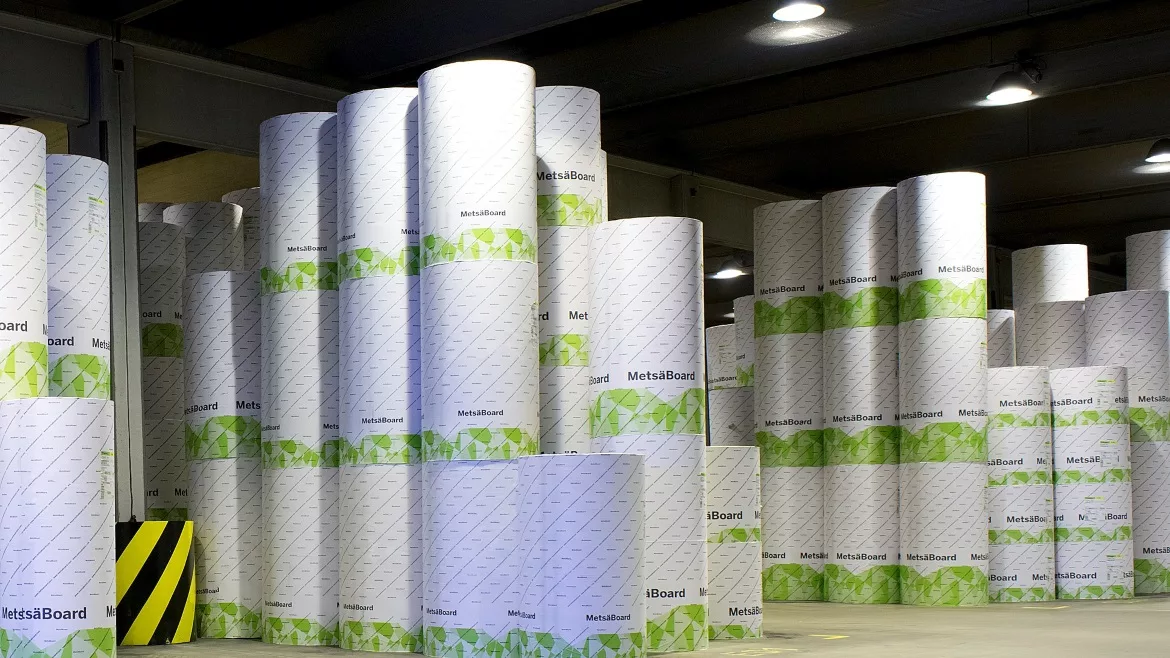
Reels in warehouse.jpg

White kraftliner reels stacked in Metsä Board's Kemi Mill warehouse, Finland. 

Image courtesy of Metsӓ Board

June 22, 2022

Trends come and go across many product categories, but when it comes to packaging, sustainability is steadily gaining momentum. From electronics to personal and beauty care, pharmaceuticals to food purchased both at retail or online, consumers of packaged goods are paying attention.

With world packaging demand reaching the $1 trillion amount for the first time in 2021, this is exactly the right time to think about what makes packaging more sustainable.

Manufacturers and brand owners can create more sustainable and responsible packaging solutions by focusing on:

1. Use Raw Materials Produced from Sustainable and Responsible Sources

Wood harvested from certified forests and paperboard created from this natural material is one of the only truly renewable sources for manufacturing fit-for-purpose, consumer packaging. Look for the PEFC, FSC®, or SFI certification logos printed on the package to ensure that sustainable and environmentally friendly forestry and re-forestation practices were used in obtaining wood for creating the paperboard material.

Recycled paperboards, while excellent in terms of preventing landfill waste, must be used in very specific applications. Keep in mind that fiber from recycled paperboards is untraceable and could have originated from unsustainably managed forests, or it can contain unknown residues of for example, printing inks, adhesives and lacquers. 

Removing or reducing plastics and other fossil-based materials in packaging is high on the list when addressing sustainability. Plastics are predominantly made from oil, a non-renewable material with a harmful environmental impact both to produce and dispose of. Most plastics are not recycled and are inevitably bound for either the landfill or worse—they can wind up in our oceans.  Once these products pollute the environment, they wreak havoc for a very, very long time… if not indefinitely.

2. Look at the way Packaging is Produced at its Source: The Mill

The process by which trees become pulp and then paper at a paperboard mill considerably influences environmental impact. Mills require significant amounts of energy to operate, and the less fossil-based fuels that are used during the process—the better. Some mills operate on energy created from byproducts of the trees, utilizing branches, twigs, needles, and bark in bioreactors. Reducing CO2 emissions and working towards being carbon neutral is also an important sustainability goal for a responsible paperboard producer. Clean water, like clean energy, is important, and when a mill is running more efficiently, more water can be recycled and reused within production, so less water is withdrawn from the environment. It is also essential that the mill only utilizes surface water to avoid depleting valuable groundwater resources and ensures that any water put back into the environment is even cleaner than when it was collected for use in the paper making process.

3. Find Solutions That Use Less Materials for Packaging

Smaller and more efficient structural design results in less paper used. If manufacturers and brand owners utilize lighter-weight paperboards while maintaining the structural integrity of the package, literally tons of paperboard can be saved—as well as associated costs by using less fiber material. So, it’s not only about reducing the size of the package, but also ensuring that the size of the press sheet is minimized. Strict focus should be applied at proper imposition, nesting, and minimizing the overall size of the sheet to reduce manufacturing waste. Any material reduction will also reduce shipping costs as well as CO2 emissions.

Removing or reducing plastic windows or trays is also a good practice, especially if products are primarily sold through e-commerce where the consumer is not looking at the package on shelf to see what’s inside. If it’s imperative to have a plastic component, it should be designed so that the plastic can easily be separated from the paperboard package to aid in consumer recycling. Recyclable plastics, such as PET, are preferable versus PVC. But more sustainable, plant-based plastics options such as PLA can also be explored.

For safety reasons, packaging for food, personal care, pharmaceuticals, etc. should avoid recycled fiber in favor of virgin fiber paperboards. Recycled paperboards can safely be used for items that are not applied to or ingested by humans, pets, or livestock. Virgin fiber plays an important role in the circular economy of packaging by adding strong fiber to fortify the recycled paperboard market. All materials used should be clearly identified as being “recyclable,” “biodegradable,” and “compostable” so that consumers know exactly what to do with them.

4. Ask Questions About the Manufacturing Process

Paper manufacturers should provide specific details about how they manufacture and produce paperboard. Find out where they stand in terms of overall business sustainability and what their EcoVadis or CDP score is. Start by requesting a sustainability report. The type of printing ink and associated production chemicals have an impact on the safety for food use, recycling, or composting. 

Local, state, and federal legislation that reduces plastic waste, promotes increased recycling, and generally helps preserve natural resources such as our air, land, trees, water, etc., will also have an impact. For example, last year Oregon and Maine passed laws requiring packaging producers to help fund and organize the collection and processing of packaging, while 13 other states introduced similar legislation. This is called extended producer responsibility and is an established norm in Europe and Canada.

5. Clearly Communicate What You Are Doing 

Finally, taking everything above into consideration is just the start of demonstrating your commitment to sustainability. The other important piece is communicating the steps you’re taking. Get involved in certification programs and be sure to print your compliancy logos on your package, such as FSC, PEFC, SFI and recycling logos. Place this information as well as your sustainable supplier commitment on your website or printed in your instruction sheets within the package. Speak about it in ad campaigns, industry journals, or blogs. Take the steps, be committed, be transparent and your consumers will see it in your packaging.

KEYWORDS: material supplier Metsa Board sustainability sustainability practices sustainable companies sustainable materials

Share This Story

Looking for a reprint of this article?
From high-res PDFs to custom plaques, order your copy today!
Mark Beamesderfer, packaging services director, Metsä Board, has more than 24 years of experience in design, prepress, print and converting. Starting out in books, directories and STM journals, his career moved him to Singapore and China in 2004 where he transitioned to packaging and has started up green field packaging operations prior to joining Metsä Board in 2011 in its Shanghai, China location. There, Beamesderfer started up Metsä Board’s global packaging design service. He relocated back to the USA in 2015 where he is currently expanding the company’s design capabilities in its Norwalk, Conn. office. Contact him at mark.beamesderfer@metsagroup.com.

Packaging Services Specialist ar Metsӓ Board

Recommended Content

JOIN TODAY
to unlock your recommendations.

Already have an account? Sign In

  • Golden award trophy in the shape of a star. Text: 2026 Top 100 Food and Beverage Companies

    Top 100 Food and Beverage Packaging Companies of 2026

    Celebrating 30 years as a B2B journalist, I’ve revisited...
    Materials
    By: Brad Addington
  • Women In Packaging 2025 homepage hero

    Women in Packaging: Seizing Opportunities, Pushing Boundaries

    Seven women share their personal journeys in the...
    Material Converting
    By: Brad Addington
  • Image of the Spyder Pick and Place Joint Robot sorting pre-rolls.

    Cannabis Packaging Goes High-Tech

    Packaging Strategies doesn't often cover cannabis...
    Automation/Controls
    By: Brad Addington
Subscription Center
  • eMagazine Subscription
  • Manage My Preferences
  • Newsletters
  • Subscription Customer Service
  • Online Registration

More Videos

Sponsored Content

Sponsored Content is a special paid section where industry companies provide high quality, objective, non-commercial content around topics of interest to the Packaging Strategies audience. All Sponsored Content is supplied by the advertising company and any opinions expressed in this article are those of the author and not necessarily reflect the views of Packaging Strategies or its parent company, BNP Media. Interested in participating in our Sponsored Content section? Contact your local rep!

close
  • Hand Holding Various Semaglutide and Insulin Injection Pens for different stages of the treatment.
    Sponsored byInline Plastics

    How GLP-1 Is Reshaping Food Packaging, and Why It Matters More Than You Think

  • A stack of clear plastic containers, the bottom full of mixed fruit
    Sponsored byInline Plastics

    Packaging Trends Shaping 2026: Where Trust Is Won

Popular Stories

Podcast | Packaging EPR’s 2026 Reality Check” with guest Anna Kendall headshot and title. Also pictured Cardboard boxes on conveyor belt.

PODCAST | Packaging EPR’s 2026 Reality Check

Main image for podcast with Kevin Kelly regarding Flexible Packaging for Produce. Main image includes Kevin Kelly’s headshot and an image of potatoes in a bag incorporating 30% PCR content.

Looking Forward to Global Pouch Forum

Logo for New Earth Ventures

Atlantic Packaging Launches New Earth Ventures to Accelerate Packaging Technology

See the Top 100 Food and Beverage Packaging Companies of 2026

Products

Advances in Sustainable Food Packaging Technology

Advances in Sustainable Food Packaging Technology

See More Products

Packaging Perspectives Podcast

Play Packaging Strategies' captivating WordPlay game, PackStrat! There's a new word every Tuesday.

Related Articles

  • Aerial view of Finland

    5 Keys for Manufacturers and Brand Owners to Win with Sustainable Packaging

    See More
  • Image of a person picking up croissants packed in flexible packaging at a supermarket.

    Embracing Sustainable Packaging with Mono-Material Coding

    See More
  • Cabot Cheese.png

    Cabot Transitions to Sustainable Packaging Solution for 8-oz Cheese Bar Line

    See More

Events

View AllSubmit An Event
  • October 15, 2025

    Coatings and Heat Seal Technologies Enabling the Paperization of Packaging

    On Demand Explore how the packaging industry’s move toward fiber-based materials is being supported by new coatings and heat seal solutions that improve recyclability, functionality, and sustainability.
View AllSubmit An Event
×

Keep the info flowing with our Newsletters!

Get the latest industry updates tailored your way.

JOIN TODAY!
  • RESOURCES
    • Advertise
    • Contact Us
    • Directories
    • Store
    • Want More
  • SIGN UP TODAY
    • Create Account
    • eMagazine
    • Newsletter
    • Customer Service
    • Manage Preferences
  • SERVICES
    • Marketing Services
    • Reprints
    • Market Research
    • List Rental
    • Survey/Respondent Access
  • STAY CONNECTED
    • LinkedIn
    • Facebook
    • YouTube
    • X (Twitter)
  • PRIVACY
    • PRIVACY POLICY
    • TERMS & CONDITIONS
    • DO NOT SELL MY PERSONAL INFORMATION
    • PRIVACY REQUEST
    • ACCESSIBILITY

Copyright ©2026. All Rights Reserved BNP Media, Inc. and BNP Media II, LLC.

Design, CMS, Hosting & Web Development :: ePublishing