It should come as no surprise that reducing environmental footprints has become a large topic of focus for both B2B and B2C brands (and the customers/consumers who support those brands). One key issue, relative to corporate sustainability, is packaging.
The plastic protective packaging market is projected to pass 9 million tons in 2019, according to a new study. This is due to the focus of manufacturers on streamlining and optimizing plastic protective packaging, to advancements in plastic properties in line with reduced waste.
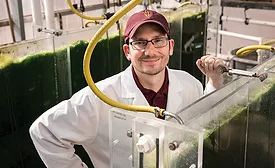
University researches method to make biodegradable plastic using bacteria and algae. The world is awash in discarded plastics. A recent estimate of the amount of plastic in the earth’s environment puts it at 6.3 billion metric tons.
Global bioplastics for the packaging industry is forecast to grow from 2017–2022 at an annual average rate of 17% to a market value of almost $7.2 billion, according to a Smithers Pira report.
The global food container market is expected to reach U.S. $346.99 billion by 2025, driven by bioplastics and advances in cold storage and enhanced shelf life.
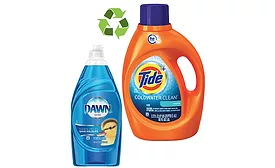
Companies are doing more with post-consumer recycled content, plant-based materials and even sustainable company practices, and that is usually because consumers are demanding for more.
Biome Bioplastics has undertaken pioneering research with the University of Warwick that has successfully demonstrated the feasibility of extracting organic chemicals from lignin for the manufacture of bioplastics.
Plantic eco Plastic skin pack adds new dimension to VSP
February 9, 2015
Plantic Technologies, Ltd. unveils its sustainable Plantic eco Plastic Skin Pack ultra-high gas barrier material that establishes new standards in vacuum skin packaging performance.