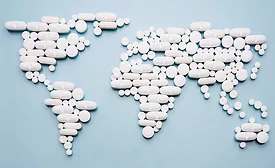
Driven by increasingly complex supply chains, a lack of enforcement capacity, the expansion of ecommerce and more sophisticated counterfeiters and counterfeiting methods, the FDA estimates that approximately 10% of all pharmaceuticals currently sold globally are illicit.
As 2017 heads toward the final quarter and the time intended for the Drug Supply Chain Security Act (DSCSA) to implement step 1, i.e., all pharma manufacturers distributing only serialized primary containers into the supply chain, we’ve learned a few things.
Pharmaceutical companies continue to adapt to regulations like the FDA’s Drug Supply Chain Security Act (DSCSA) and 21 CFR Part 11.More and more manufacturers are looking at labeling to provide an edge in the face of these challenges.
In 1970, Richard Nixon signed into law the Poison Prevention Packaging Act (PPPA). The act was written in response to a growing number of child poisonings from unintentional ingestion of drugs and other products. The Act was successful, but a lot has changed in the last 47 years.
The recently introduced Bill HR 1245 IH, the ‘‘Affordable and Safe Prescription Drug Importation Act’’ attempts to open the door to lower cost drugs via Canadian pharmacies.
U.S. government-mandated serialization is creating a scramble in the pharmaceutical packaging world. Track and trace solutions must meet Drug Supply Chain Security Act (DSCSA) compliance by November of this year.
Healthcare is a booming business in the United States, and that fact is creating tremendous growth opportunities for both pharmaceutical and medical device packaging.
As fall 2016 kicks in, pharmaceutical manufacturers and those involved in the supply chain are grappling with the roll out of The Drug Supply Chain Security Act (DSCSA).