Free self-assessment covers both Compliance Readiness and Strategic Value Readiness, with the latter measuring whether companies’ sustainable packaging programs are positioned to capture the upside that regulations now make available.
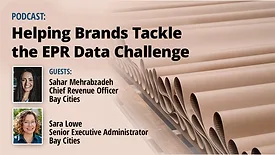
Sahar Mehrabzadeh and Sara Lowe of Bay Cities share how the company is helping retailers and brands achieve compliance with California’s SB 54 and other state-level Extended Producer Responsibility programs.
Despite their small and innocuous size, produce stickers are a major focus of new packaging mandates. As policymakers continue to look for viable ways to curb packaging waste and reduce greenwashing, Gary Tee of TIPA Compostable Packaging argues that compostable stickers can address key circularity challenges. Get Gary’s insights.
IDFA emphasizes that many dairy packaging materials and formats—including HDPE, PET, polypropylene, gable-top cartons and aseptic cartons—are recyclable but are not yet meeting the recycling rate thresholds required under SB 54.
IFPA stresses that fresh produce packaging is “not discretionary” but rather an essential tool for preventing food loss, meeting federal food safety requirements, and getting nutritious food to consumers.
New Jersey’s Recycled Content Law requires manufacturers of rigid plastic containers, beverage containers, and other regulated packaging to meet minimum thresholds of postconsumer recycled content.
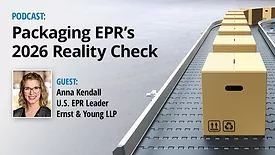
Arithmetic is simple. Compliance is not. We recently sat down with Anna Kendall of Ernst & Young LLP to discuss the challenges of meeting both imminent and long-term EPR mandates, including a coordinated May 31 reporting deadline across six states.




.webp?height=168&t=1782152552&width=275 "trailer-trucks")