Advancements in active and intelligent packaging technologies are helping to ensure that oral solid dose (OSD) drug delivery — which comprises both capsules and tablets — remains the most popular delivery method in use today.
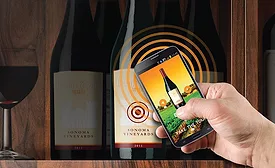
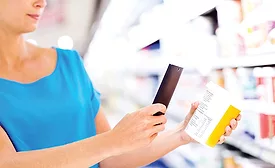
Smart labels allow retailers and brands to engage directly with consumers, and with manufacturers to track inventory through the supply chain — which, in turn, provides consumers with the transparency and convenience they desire in packaging.
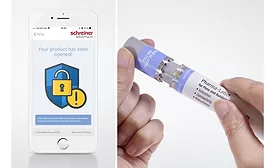
Schreiner MediPharm’s new Autoinjector-Label wraps around the autoinjector, including the cap, and has an integrated NFC chip for product authentication and tamper evidence.
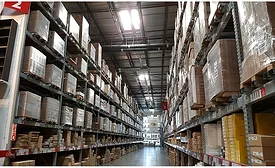
The concept of a smart packaging warehouse is not only the future of packaging and distribution – it's much closer to becoming a reality than you may believe.
As a brand manager, production or plant manager, your primary focuses include your bottom line. Packaging affects many aspects of your product line and with that, your business growth.
Smart and sustainable packaging trends have gathered pace across the globe. Recent innovations are demonstrating that both can coexist and grow harmoniously.
Chicago-based technology scouting company, PreScouter released a report detailing companies providing smart packaging technologies available for commercial use.
Smart packaging has come a long way – snack food bags can detect drunk drivers and beer bottles can play music – but more brands are investing in smart labels to connect brands and technology.
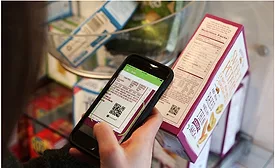
Mondelēz International has launched one of the first sponsored SmartLabel™ apps, making in-store, on-the-spot access to detailed product information for many of its U.S. snacking products possible from smartphones.
On May 20, 2016, the FDA announced that the industry will be required to implement a new Nutrition Facts Panel for packaged foods to reflect new scientific information, including the links between diet and chronic diseases such as obesity and heart disease.