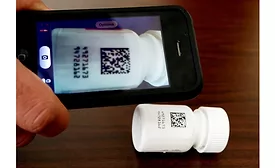
In 2020, the goal of reducing supply chain inefficiencies has become especially true for the healthcare industry, as hospitals and healthcare systems work to reduce the billions of dollars spent on unnecessary supply chain operations every year.
Supply chains and the solutions used for managing them have become increasingly important as businesses become more global and interconnected. Globalization and digital technologies are changing business, especially as companies look to accelerate growth and expand into new markets.
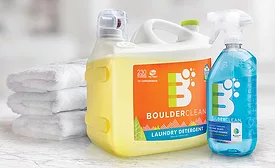
It’s estimated that 95% of purchases will be made online by 2040. While household care brands have worked over the decades to build tight supply chains, in this new age of e-commerce, in-store packaging strategies can’t simply be replicated for e-commerce.
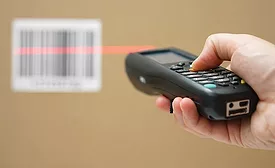
The key to anti-counterfeiting is to prevent false goods from entering the legitimate supply chain. The good news is that you can protect your brand. Starting with your raw materials suppliers, through manufacturing, packaging and onto distribution intermediaries, you can track and trace goods safely right to the customer.What’s the key to fortifying the legitimate supply chain to protect it from unauthorized goods entering your normal channels of trade? I believe it's a combination of these three strategies.