Mike Bristow of Go-Pak Group says the packaging industry is moving away from the binary debate of "good" versus "bad" plastics. Instead, 2026 is the year of systemic compatibility. A material’s value is defined by its ability to be identified, sorted, and reprocessed without loss of utility.
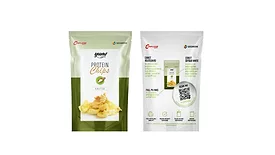
Through close collaboration between the technical and R&D teams of both companies, the partners conducted comprehensive trials, generating application-oriented insights that supported the optimization of the new high-barrier mono-PP pouch structure for food packaging.
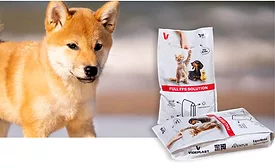
The solution was developed through a partnership between Videplast, Haver & Boecker, and ExxonMobil Signature Polymers, combining advanced materials and processing technologies to meet stringent mechanical, aesthetic and design requirements.
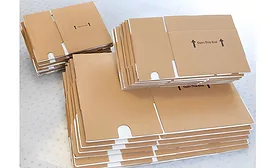
Engineered for circularity, Specialized Packaging Group’s CorruSeal is an integrated, fiber-based packaging design that eliminates mixed materials, simplifies recycling, and protects products without the need for foam or plastic inserts.
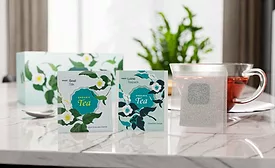
Tea envelopes play a vital role in protecting product quality, preserving delicate aromas and delivering the first tactile interaction between brand and consumer.
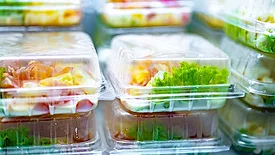
Compostable packaging for sports venues and mono-material meal trays that facilitate recycling are just some of the recent noteworthy developments in foodservice packaging.
In 2025, key advancements in foodservice packaging included Eco-Products' compostable packaging for the San Francisco Giants, HERMA's high-speed labeling for salad clamshells, BiOrigin's oil and grease resistant paper, and Amcor's mono-material polypropylene meal tray for France's recycling system. Discover these innovations below.
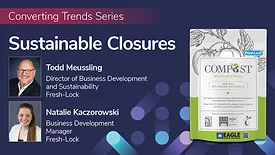
Todd Meussling and Natalie Kaczorowski of Fresh-Lock offer a peek at which closure options are currently most popular among converters who are looking to improve flexible packaging sustainability.