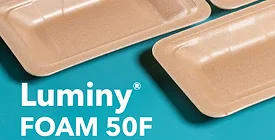
Luminy FOAM 50F is engineered as drop-in replacement for polystyrene, allowing converters to run it on existing extrusion lines with comparable throughput and minimal modification.
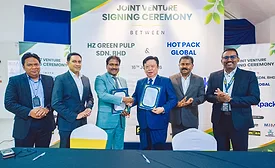
Through HZP Eco Packaging, a newly announced joint venture between HZ Corporation and Hotpack Global, the company is now adding further commercial reach to its Dry Molded Fiber offering.
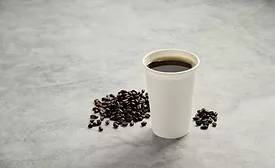
The launch includes redesigned World Art™ hot cups made with FSC®-certified paperboard, new aluminum cold cups made with 90% recycled content, and additions to the company’s Veda™ line of reusable products.
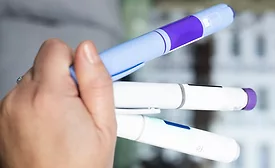
GLP-1 medications are changing how consumers eat—and that shift is quietly reshaping food packaging. Here’s what it means for portion sizes, formats, and the future of grab-and-go.
June 1, 2026
Consumer behavior is shifting dramatically due to GLP-1 medications, leading to smaller portion sizes and intentional eating. Food businesses must realign packaging strategies to meet these new demands, emphasizing flexibility, freshness, and food safety to succeed.
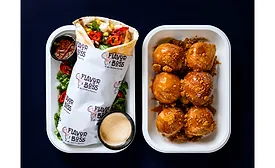
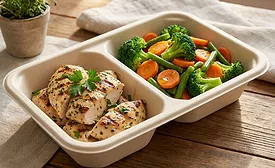
Developed for retail delis, commissaries and packaged meal manufacturers, the expanded line includes new bowl and tray formats with wider rims to support film sealing and a variety of closure systems.
The new compound has secured TÜV Austria’s OK compost Home, OK compost Industrial, and OK biodegradable MARINE certifications with certification from the Biodegradable Products Institute (BPI) underway.
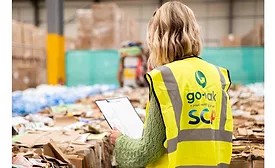
Mike Bristow of Go-Pak Group says the packaging industry is moving away from the binary debate of "good" versus "bad" plastics. Instead, 2026 is the year of systemic compatibility. A material’s value is defined by its ability to be identified, sorted, and reprocessed without loss of utility.
 RSS
RSS