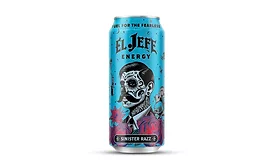
The design leans into a darker, more refined visual world with strong iconography, roses, contrast, and a commanding central figure that reflects confidence, power and presence.
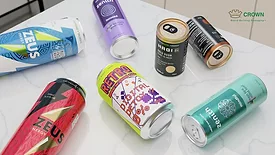
Aluminum cans are among the fastest-growing beverage packaging formats across most regions, driven by demand for circular materials and convenience. The aluminum can also provides an excellent branding surface.
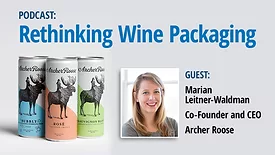
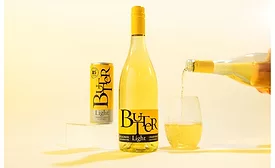
With Brazil importing great wines from Chile and Argentina and also producing some great wines of its own, Packaging Strategies sees a solution for selling wine alongside beer during Carnaval.
Jeanie Morris, the INX marketing and promotions manager responsible for organizing this event, says the contest represents a chance for those in the industry to showcase outstanding artistry and join a distinguished group of brand owners, designers and metal decorators who have been recognized in the past.
The combined advantages—including label-free decoration, elimination of consumables, customization options, reduced packaging waste, and simplified end-of-life processing—offer a solution for brands looking to minimize their environmental impact while improving production efficiency.
Stefan Welker, Strategic Segment Manager, Rigid Packaging, at Industrial Physics, discusses how targeted reduction strategies can help beverage manufacturers optimize resources without compromising quality.
Stefan Welker of Industrial Physics discusses how targeted reduction strategies can help beverage manufacturers optimize resources without compromising quality. Welker posits that few categories illustrate the balancing act of resource reduction more clearly than metal cans.
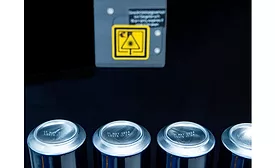
In this article, Giuseppe Urso of Nimax lays out how fiber laser coding can help address challenges such as condensation in high-capacity beverage lines.
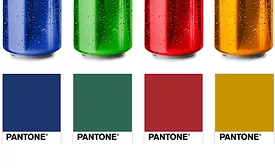
Available through the PantoneLIVE Production – Print and Packaging subscription, the new libraries support aluminum beverage can production using both opaque and transparent inks for a matte effect.
 RSS
RSS