Agreement helps position Mexico within global recyclability trends by facilitating international alignment of criteria and strengthening the technical capabilities of the sector.
GLP-1 medications are changing how consumers eat—and that shift is quietly reshaping food packaging. Here’s what it means for portion sizes, formats, and the future of grab-and-go.
June 1, 2026
Consumer behavior is shifting dramatically due to GLP-1 medications, leading to smaller portion sizes and intentional eating. Food businesses must realign packaging strategies to meet these new demands, emphasizing flexibility, freshness, and food safety to succeed.
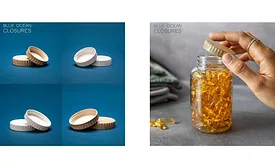
Across the packaging sector, cost inflation driven by energy markets and petrochemical feedstocks has translated directly into higher prices for plastic closures and other packaging products.
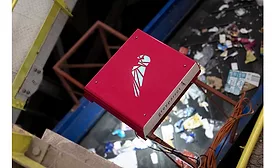
By leveraging Greyparrot’s Deepnest platform, Kenvue will transition from theoretical "design-for-recycling" models to evidence-based data derived from real-world recycling environments.
New Jersey’s Recycled Content Law requires manufacturers of rigid plastic containers, beverage containers, and other regulated packaging to meet minimum thresholds of postconsumer recycled content.
The center brings design, engineering and validation under one roof to support the growing demand for packaging that addresses product protection, efficiency and sustainability goals.
The new compound has secured TÜV Austria’s OK compost Home, OK compost Industrial, and OK biodegradable MARINE certifications with certification from the Biodegradable Products Institute (BPI) underway.
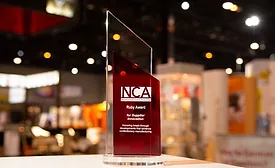
Billie-Ann Plastics Packaging Corp. took home this year's honors for its clear cylinder.
May 15, 2026
The honor recognizes an NCA supplier member company that has developed an innovation in the past year that improves the ability of confectioners to manufacture, distribute, market, and/or sell chocolate and candy.
Founded in 1926, Mid America has grown from a local scrap operation into a trusted recycling partner known for its deep market knowledge, operational discipline and long-standing customer relationships.
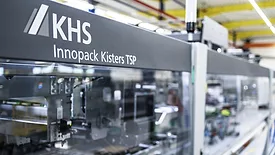
The KHS Innopack Kisters TSP Advanced packs beverage cans and PET and glass bottles on trays and pads and in film—and can also turn PET bottles into sustainable multipacks using the new BottleClip Carrier.
 RSS
RSS