The site adds more than 40 million pounds of annual extrusion capacity and is designed to run a significant portion of the Clean Wash Flake (CWF) produced through D6’s Omni Recycling Center in Longview, Texas.
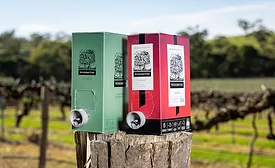
Solution is made possible using a bag made of SIG Terra RecShield, a mono-material film with a newly formulated polymer structure that replaces the conventional multi-layer structure typically used in bag-in-box packaging.
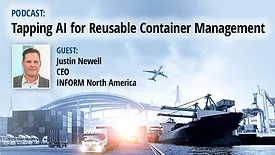
Justin Newell of INFORM North America explains how major international firms are using AI to get reusable containers to where they are most needed in a cost-efficient manner.
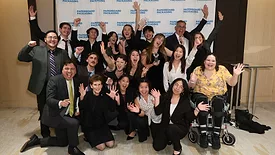
This year’s design challenge from the Paperboard Packaging Alliance was a tall order, calling on students to eliminate plastic, minimize material usage, and ensure ease-of-use for the consumer.
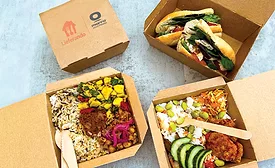
Suitable for a wide range of foods and dishes, the packaging features the world’s first plastic-free coating for takeaway containers made from plant protein.
C$1.5 million (£814,000) Canada-UK project will harness yeast and bacterial fermentation to produce renewable alternatives to petroleum-based plastics for packaging, personal care, health, and consumer goods.

 RSS
RSS