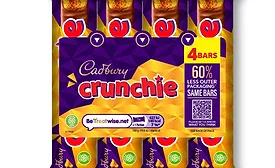
As part of a test-and-learn initiative lasting until early 2026, the plastic overwrap on ~1.8 million Cadbury Crunchie Four Bar Multipacks sold in Tesco stores will be replaced with innovative stickers, reducing the outer plastic packaging by 60% per pack.
The bag is made of SIG Terra RecShield, a mono-material film with a uniquely formulated polymer structure, replacing the conventional multi-layer film that contains aluminum.
Sustainable Packaging Innovation—a new award category for 2025—recognizes companies that have introduced sustainable packaging, including primary or secondary product packaging, for retail, wholesale, foodservice, ecommerce, and/or direct-to-consumer.
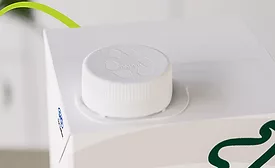
The PET 1881 caps represent a technological breakthrough that can enable lighter packaging, improved shelf life, and mono-material containers that enhance recyclability and promote circularity.
The USDA's Foreign Agricultural Service has awarded 21 research grants for produce packaging with the aim of helping U.S. farmers meet foreign requirements and maintain market access for U.S. exports.
This partnership signals the next chapter in both companies’ commitment to sustainable packaging solutions —introducing paper-based refill cartons and aluminum bottles into the home cleaning aisle.
Suppliers are finding new ways to reduce the environmental impact of their packaging, while also offering the same protection that is crucial for making sure produce is fresh at the time of purchase.
In its mission to create a fully regenerative food packaging system, SIG is steadily increasing the paper content of its aseptic cartons, to enhance renewability, and further reduce carbon footprints and the use of fossil-based materials.
Ideal for bleaches and toilet cleaners, the Hector Child Resistant Closure (CRC) weighs just 7.25g and is one of the lightest closures available on the market.
 RSS
RSS