The global sanitary food and beverage packaging market is likely to grow at a CAGR of nearly 6% during the forecast period 2017-2021, according to Future Market Insights (FMI). Increasing emphasis on maintaining food safety during the supply chain is promoting investments by manufacturers.
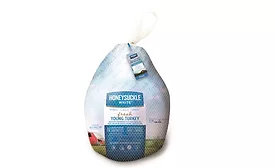
Beginning this holiday season, consumers can now get to know the exact family farmer who raised their Honeysuckle White brand holiday turkey, through a first-to-market blockchain solution. Consumers in select markets can simply text or enter an on-package code at HoneysuckleWhite.com to access the farm's location by state and county, view the family farm story, see photos from the farm and read a message from the farmer.
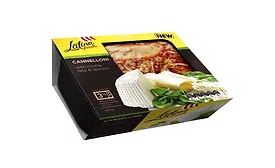
The global ready meals market is expected to grow due to increasing advancement in the packaging industry. Demand for food that is additive-free, minimally processed and with extended shelf life is expected to drive the market.
The global packaging divider market is expected to grow at a CAGR of close to 6% during 2017-2021 period, report projects; food and beverage accounted for close to 33% of total market in 2016, while pharmaceuticals held 27% market share and automotive took 18%.
Since the introduction of the corrugated industry’s recyclability protocol in 2005, use of wax has steadily dropped off. In 2016, the corrugated industry shipped less than 10 billion square feet of waxed boxes, just 2.5 percent of total shipments.
The global packaging adhesives market is expected to reach U.S. $10.11 billion by 2025, according to a new report by Grand View Research Inc. The growing usage of packaging adhesives in flexible packaging, paper & board packaging, and rigid packaging is anticipated to strengthen the market growth.
According to a report published by Allied Market Research, the organic food and beverages market is projected expected to reach $327,600 million by 2022, growing at a CAGR of 16.4% from 2016 to 2022.
Mintel announces the four key trends set to impact North American consumer markets over the coming year. With surprises at every turn and vague uncertainty, being attuned to consumer trends across transparency, value, self-care and automation is perhaps more crucial in 2018 than ever before.
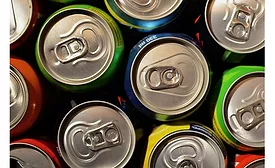
Aluminum beverage cans are the most recycled drinks package in the world, according to a new analysis by Resource Recycling Systems (RRS). Commissioned by the Can Manufacturers Institute (CMI), Beverage Can Makers Europe (BCME) and Abralatas in Brazil, the study used global recycling data to calculate and validate the global recyclability rates for aluminum, PET and glass beverage containers.
The Forest Stewardship CouncilTM (FSC) has launched an ambitious new initiative to increase the use of materials from responsibly managed forests. The Vancouver Declaration allows businesses who use these natural products to pledge their commitment to responsible sourcing.
 RSS
RSS