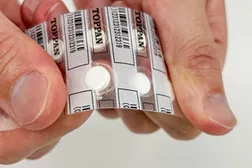
Aluminum-free and mono-material blister packaging designs are being pursued by companies like TOPPAN and IWK Packaging Systems. Meanwhile, ACG is offering an alternative to co-extruded structures with its proprietary lamination-based approach.
By fusing the acquired brittle lidding material technology with the TOPPAN Group’s barrier and packaging technologies, TOPPAN Holdings is aiming to advance a full-scale entry into the global push-through blister pack market.
IWK CABLIblue 870 Blister System features novel “card-to-card” technology where both the cardboard blister and its backing are made of the same material.
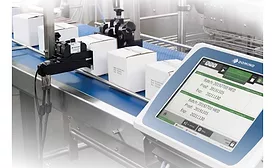
In this article, Luciano Marchesini of Nimax discusses various options for achieving pharmaceutical serialization compliance for both primary and secondary packaging.
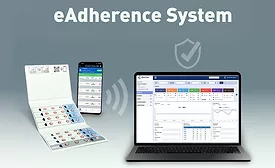
The collaboration enhances Keystone’s Key-Pak® child-resistant blister cards by integrating them with Med-Con’s medication adherence prompting and monitoring application, transforming the packaging into an interactive real-time adherence data solution for clinical trials.
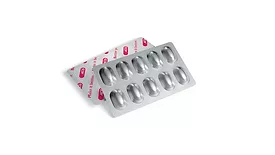
This OMB is a pioneering solution in blister packaging, as both the base film and lidding film are made from PET. The complexity of the packaging is reduced to a minimum and has been developed with recycling in mind.
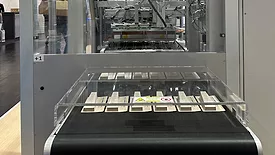
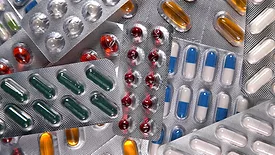
For the convenience and ease of use blister packaging provides consumers, the creation of such packaging isn’t as simple. From developing appropriate machinery to sourcing the right materials, blister packaging brings a variety of challenges that suppliers are constantly trying to mitigate.
This innovative solution reduces the carbon footprint of the packaging by 38% and marks a stride in environmental stewardship by eliminating the use of polyvinyl chloride (PVC) in their portfolio.

 RSS
RSS