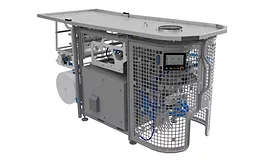
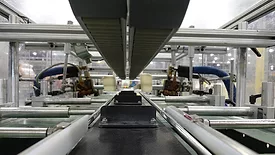
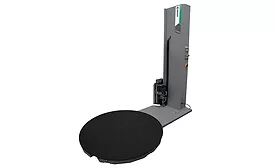
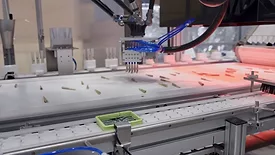
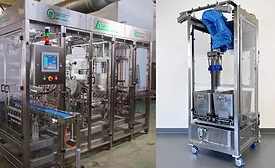
Through the JASA partnership, Fox Solutions can now support full packing lines for expanded markets including leafy greens, fresh-cut fruits, tomatoes, meat and poultry, seafood and tapas — categories that demand equipment built for speed, frequent changeovers and strict hygiene standards.
In today's fast-paced market, strategic automation in packaging and merchandising boosts efficiency, reduces costs, and enhances quality. By integrating data-driven insights and advanced technologies, companies can streamline operations and meet customer demands faster and more effectively.
Automation is becoming vital in the packaging industry, streamlining production and enhancing quality assurance. This month, we explore major advancements in automation within the sector.
Based in Mead, Wash., near Spokane, Roeder is responsible for a territory that includes seven states stretching from the west coast to the Dakotas, and three Canadian provinces: Alberta, British Columbia and Saskatchewan.
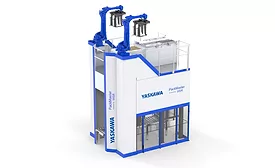
These fully commercialized solutions are now supported, delivered and serviced by Yaskawa America, marking a significant expansion of the company’s commitment to warehouse automation in the North American market.
By bringing design, engineering, sourcing, and production entirely stateside, Orion can reduce exposure to overseas supply chain disruptions and tariff volatility while maintaining tighter control over components, inventory, and pricing.
Packaging Strategies doesn't often cover cannabis packaging or focus on a single company, but LeafyPack's impressive use of robotics, AI, and vision systems in this field caught our attention.
The companies have developed a wireless integration that enables seamless end-to-end communication between Chef’s and Packline’s equipment throughout the production line.
Investment in robotics, automation, and smart manufacturing by the CPG and Food & Beverage sectors is now the industry standard. However, John Robertson and Michael Hoyt of Life Cycle Engineering say this rapid technological expansion is creating a critical cybersecurity blind spot.
 RSS
RSS