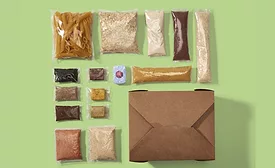
Aim is for Xampla’s revolutionary Morro materials to replace more than 10 billion units of the most polluting single-use plastic, including plastic linings found in takeaway boxes, coffee cups, and sachets.
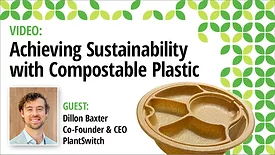
We recently sat down with Dillon Baxter, co-founder and CEO of PlantSwitch, to discuss the company’s alternative plastic products that have been hitting national retail shelves from Costco to Walmart.
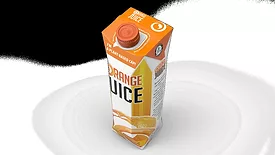
Babitha George, a representative from Tetra Pak, delves into the topic of driving progress toward a sustainable future by introducing innovative designs for straws and caps.
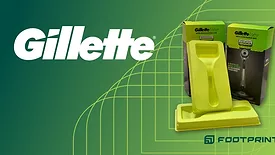
The plant-based fiber tray to package the GilletteLabs Razor with Exfoliating Bar, makes Gillette the first brand to implement Footprint’s new color-based molded fiber in its packaging.
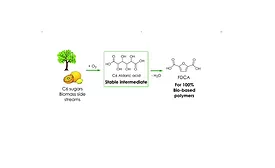
New technology developed at VTT enables the use of pectin-containing agricultural waste, such as citrus peel and sugar beet pulp, as raw material for bio-based PEF-plastics for replacing fossil-based PET.
The plant-based food trend has been building for a few years. In 2020, its appeal broadened to a larger audience, reflecting consumers’ amplified health concerns. Recognizing this movement, grocers and CPGs are introducing programs to capitalize on the market potential. Those efforts will expand as consumers continue looking for ways to incorporate more plant-based foods in their diets.
Berry Global's new 100% recyclable BioPET bottle is made from plant-based materials, including sugarcane. Made from PET-30, 30% (by weight) of the bottle’s resin comes from plant-based renewable resources.
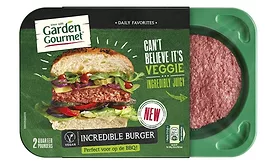
Nestlé’s meatless Incredible Burger is now available in supermarkets in Europe under the Garden Gourmet brand, and near the end of the year, a U.S. version, called the Awesome Burger, will be available where Sweet Earth brand products are sold.