A new study by SourceHUB, provider of a collaborative technology platform for packaging procurement, found that automating specifications and artwork processes in the packaging procurement process can result in key efficiency gains as up to as much as 30%.
Seven tips to help avoid common technical and operational issues.
September 10, 2020
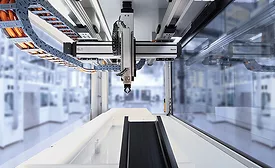
Fully integrated linear modules can be versatile and cost-effective for linear transport applications in packaging machinery. When specifying and integrating pre-engineered linear modules, whether for Cartesian robots, pick-and-place equipment or linear transport systems in or between production lines, following these seven key tips can help avoid common technical and operational pitfalls.
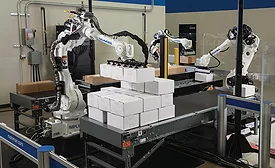
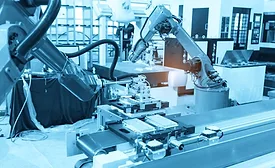
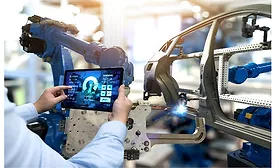
Automating packaging processes can improve productivity, quality and safety on site. Unsurprisingly then, it has become a crucial investment for packaging facilities. But where do you start? Here are some key considerations when choosing robotics and automation for packaging applications.
You’ve worked hard to grow your business, starting out as a small company where you packed a few boxes per day to growing into one that requires packing a few boxes per second. While you’ve been able to keep up with the busy pace of change, you’re wondering, “how long can I keep this up?”
As a focal point for several political campaigns, ‘Made in America’ has become a recurring strapline, promoting the use of American products to protect jobs in manufacturing.
Two packaging industry trends are causing headaches for automated case packing OEMs and their customers. OEMs must advance their design strategies to keep the cost of automation affordable so customers continue to receive optimum ROI.
America’s uptake of robotic technology is increasing. Combined with the country’s desire for products “Made in America” and the political backing to support this campaign — it is an exciting time for U.S manufacturing.
Success in the packaging industry during the next 10 years will hinge upon building a deep understanding of and connection to the empowered consumer. As consumers place an increasing value on choice, control, convenience and experience, retailers will need to embrace disruptive technologies and novel approaches to manufacturing.