I enjoy discovering new voices in packaging, and Saloni Doshi, CEO of EcoEnclose, stands out. She recently shared insights on 2025 Sustainable Packaging Trends, which could guide our reporting and align with recent Packaging Strategies coverage.
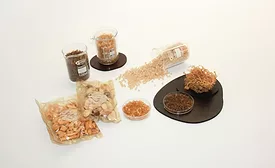
Variant A of CornNext-17 is suitable for products produced by extrusion molding, and Variant B is suitable for products produced by injection molding, including spoons, knives, forks, plates, and trays.
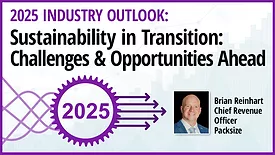
With the U.S. entering a new presidential administration, Packsize’s Brian Reinhart discusses potential federal regulation of packaging over the next four years, noting that state-level initiatives surrounding sustainable packaging are already having an impact.
Latin America's packaging industry is evolving, with Nefab expanding in Mexico, Chile banning single-use plastics, and SIG partnering with Celema to bring innovative carton-filling technology to Colombia. These developments pave the way for a dynamic 2025 in packaging innovation.
By conducting studies that explore consumer attitudes and preferences around sustainable packaging and pack changes, brands can make informed decisions that balance environmental impact with customer satisfaction.
Recycled materials, reusable packaging, compostable packaging and even used cooking oil are among the many paths toward more eco-friendly snack food packaging.
Vendors of snack food packaging are developing recyclable, biodegradable and reusable products to expand their customer base. KYSU – whose products include freeze-dried fruits and chocolates – has unveiled packaging made entirely from recycled materials, and Bad Monkey Popcorn has created compostable packaging for one of the world’s most popular snack foods.
Report calls for cohesive national policies to advance circularity, including standardized recycling definitions, extended producer responsibility (EPR) programs, and updated recycling data.
Increasing regulations surrounding plastics have pushed the food and beverage industry to explore new materials and strategies to reduce its reliance on plastic. Consumers are also looking for alternatives as their concerns about sustainability move to the forefront of their buying decisions.