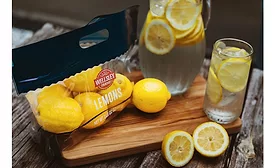
Iliana Csanyi of Fox Packaging provides some important tips for grower-shippers considering a switch to non-laminated PE packaging as EPR requirements nudge companies toward that option.
Mike Bristow of Go-Pak Group says the packaging industry is moving away from the binary debate of "good" versus "bad" plastics. Instead, 2026 is the year of systemic compatibility. A material’s value is defined by its ability to be identified, sorted, and reprocessed without loss of utility.
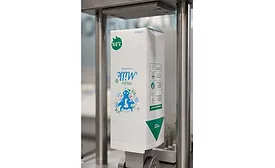
Engineered for circularity, Specialized Packaging Group’s CorruSeal is an integrated, fiber-based packaging design that eliminates mixed materials, simplifies recycling, and protects products without the need for foam or plastic inserts.
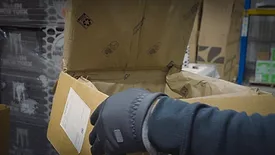
Because foam coolers can’t be collapsed or folded prior to use, they become a permanent real estate problem inside your operation. That means more warehouse square footage for packaging storage, more racking, more labor and material handling costs, and more congestion on the warehouse floor.
After 25 years in temperature-controlled logistics, Hydropac’s Colin Rowland shares some industry truths that businesses often overlook—from the hidden fragility of the cold chain to the sustainability trade-offs shaping its future.
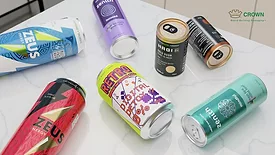
Aluminum cans are among the fastest-growing beverage packaging formats across most regions, driven by demand for circular materials and convenience. The aluminum can also provides an excellent branding surface.
While we have already named our Top 25 Converters for 2025, here are some flexible packaging converters who are strong contenders for next year’s list.
My wife and I vacationed in Europe this summer, and I couldn’t help but notice that package design, package labeling, and product marketing are handled differently on the other side of the pond.
 RSS
RSS