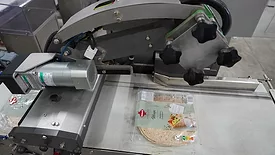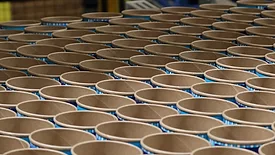
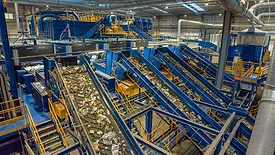
We look at three groups approaching packaging sustainability from three different angles: adopting modern packaging equipment, recycling flexible plastic, and harmonizing data collection to meet EPR requirements.
Recent announcements regarding packaging for core quesadilla ingredients — including tortillas, cheese, and spinach — got me to thinking about one of my favorite Mexican dishes.
I occasionally help in the kitchen at home, and quesadillas are among my signature dishes. They’re quick, hot, cheesy, and tasty (in my humble opinion). Some recent packaging announcements about the main quesadilla ingredients — tortillas and cheese — got me thinking about this culinary favorite.
In many countries, EPR is coordinated at a national level. The U.S. approach, by contrast, is state-driven. While this approach enables locally effective solutions, it also introduces major headaches for CPGs who are trying to keep up and comply.
Sustainable packaging initiatives like those embraced by Mexico’s Grupo Bimbo will be recognized in September at the International Baking Industry Exposition (IBIE) in Las Vegas.
Grupo Bimbo recently announced some ambitious sustainability goals for packaging—exemplary of the advancements in packaging sustainability that IBIE’s BEST in Baking Industry Awards will recognize.
Several deadlines for registering with a state’s Producer Responsibility Organization (PRO) have already passed, including in Colorado and Oregon. Others are quickly approaching.
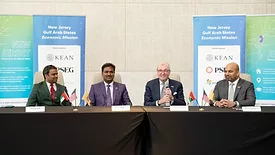
Governors across the United States not only are signing Extended Producer Responsibility (EPR) bills into law but also are fostering economic development by championing the construction of new packaging facilities.
It's great to see breaking news in the packaging industry emerging from the state level, particularly with the introduction of new Extended Producer Responsibility (EPR) laws and economic development surrounding new or expanded packaging facilities.
The International Food Additives Council, New Hampshire-based North Country Smokehouse and the National Alliance for Hispanic Health are among the parties that have weighed in.
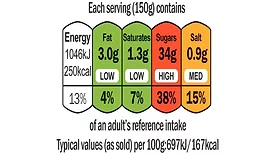
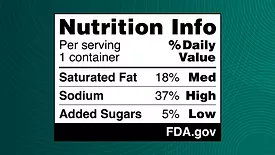
The FDA proposed a front-of-package nutrition label for most packaged foods, indicating levels of saturated fat, sodium, and added sugars as "Low," "Med," or "High." Comments are accepted until May 16, 2025. Packaging Strategies will monitor and share various perspectives on the proposal.
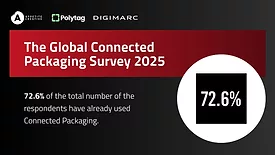
While some companies plan to spend as much as they did in 2024 on connected packaging campaigns, some companies will be spending less, and the number of companies currently using connected packaging has dropped.
In their recent Global Connected Packaging Survey 2025, Appetite Creative, in collaboration with Polytag and Digimarc, found that 88.8% of respondents believe connected packaging will become increasingly important in the packaging industry over the next year.
The Tea Association of the U.S.A. and the National Milk Producers Federation are just two groups that have weighed in on FDA’s proposed front-of-package nutrition label.
In January, the U.S. Food and Drug Administration (FDA) proposed a front-of-package nutrition label for most packaged foods, showing levels of saturated fat, sodium, and added sugars as "Low," "Medium," or "High." Comments on the proposal are invited until May 16, 2025.
I enjoy discovering new voices in packaging, and Saloni Doshi, CEO of EcoEnclose, stands out. She recently shared insights on 2025 Sustainable Packaging Trends, which could guide our reporting and align with recent Packaging Strategies coverage.