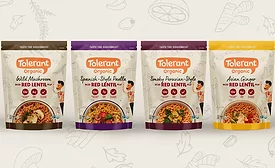
A new choice for Flexitarians and foodies, Tolerant reinvent rice with their new Organic Riced Red Lentil Pilaf, a pre-seasoned red lentil based pilaf in easy-to-microwave pouch packaging.
Last year many companies collaborated on new materials, machinery compatibility and corporate initiatives, and joined recycling groups. It’s time to look forward, get inspired and realize that sometimes it is better to work with a partner or two.
In packaging plants across the world, compressed air systems create significant energy waste. Pinhole leaks in air lines, sticky valves and other inefficiencies cost huge consumer packaged goods (CPG) manufactures and small contract packagers alike substantial amounts of money.
It used to be simple. You knew your brand's positioning, and packaging was about creating a sleek logomark, memorable design or cool marketing message to connect with consumers. That's no longer the case. Modern consumers are savvy and focus on living better, healthier lives and taking steps to save the planet. That means you now also have to take into consideration your industry at large and the broader impact of your product.
Consumers continue to seek out convenience that suits their fast-paced lifestyles. Consumer behavior could reverse, but it is unlikely. What's more likely is that things will only grow more intense and the demand for convenience will only grow more extreme. Fast-moving consumer goods and pharmaceutical products benefit from the cost-to-performance ratio advantage offered by rigid plastics manufacturing.
The Can Manufacturers Institute (CMI) is putting the metal cans strong sustainability profile front and center. CMI created an innovative, effective communication plan that demonstrates to consumers, customers and other stakeholders the positive economic and environmental impact of recycling aluminum and steel cans. The facts show that metal cans are the sustainable, circular packaging choice.
The glass container industry’s efforts to support customer growth in 2019 was highlighted by an increase in shipments of containers for the non-alcoholic beverage, wine and spirits end markets. Shipment and production data collected and aggregated by Precision Consulting show the U.S. glass container industry shipped about 26.5 billion containers to customers in 2019.
The outlook for flexible packaging in the U.S. remains positive, despite the continued pressure that persists around packaging waste in general, and single-use plastic packaging specifically. The industry was estimated at approximately $31.8 billion in annual sales in the U.S. for 2018 with a steady growth rate of 2.7%.
Steady, stable, sustainable and innovative. These four words describe the paperboard packaging market today and, we forecast, for many years to come. As part of the Paperboard Packaging Council’s (PPC’s) industry data offering, we keep a pulse on economic trends that will affect the folding carton market. Following are just a few of the developments to expect in 2020.
 RSS
RSS