
Packaging Strategies logo
search
cart
facebook twitter linkedin youtube
  • Sign In
  • Create Account
  • Sign Out
  • My Account
Packaging Strategies logo
  • FEATURED
    • Brand Packaging
    • Extended Producer Responsibility
    • New Products & Materials
      • Featured Products
    • Packaging News
    • Packaging Perspectives Podcasts
    • Steve Fairfield Innovation Award
    • Supply Side
    • Top 100 Food & Beverage Packaging Companies
      • Submit Your Company
  • FLEXIBLE PACKAGING
  • VERTICAL MARKETS
    • Beer / Wine / Spirits Packaging
    • Beverage Packaging
    • Candy / Confectionery
    • Dairy Food Packaging
    • FoodService Packaging
    • Household Packaging
    • Meat / Seafood Packaging
    • Personal Care Packaging
    • Pet Food Packaging
    • Pharma / Medical Packaging
    • Produce Packaging
    • Snack Food Packaging
  • MATERIALS
    • Adhesives / Sealants
    • Beverage Multipacks
    • Blister Packaging
    • Cans & Bottles
    • Closures/Lids
    • Films & Coatings
    • Labels
    • Material Converting
    • Paperboard / Corrugated / Cartons
    • Rigid Containers
    • Sustainable Packaging
  • MACHINERY
    • Automation / Controls
    • Case Forming / Packing / Sealing
    • Cartoning
    • Coding / Marking / Printing
    • Conveyors
    • Form-Fill-Seal / Filling & Closing
    • Inspection / Detection / Vision
    • Labeling
    • Unitizing / Palletizing
    • Robotics
    • Track & Trace / Serialization
  • DIRECTORIES
    • Packaging Strategies Resource Guide
    • Flexible Packaging Buyer's Guide
  • EVENTS
    • Converters Expo
    • Converters Expo South
    • Global Pouch Forum
    • Industry Events
    • Webinars
  • MORE
    • Videos
    • Book Store
    • Classifieds
    • Custom Content & Marketing Services
    • eXTRA Newsletter
    • Market Research
    • PACKSTRAT Wordplay
    • PS Resource Guide
    • Sponsor Insights
  • EMAG
    • eMagazines
    • Archived Issues
    • Contact Us
    • Advertise
  • SIGN UP!
Brand PackagingPaperboard/Corrugated/CartonsSustainable Packaging

Brand Packaging: Sustainability

The Road to Reaching Sustainability Goals

Consumers are demanding more sustainable packaging. And companies are being urged to acknowledge their impact on the environment, mitigate adverse effects they create and do so with complete transparency.

Boxed Water

Courtesy of Boxed Water™

November 3, 2021

Given the power of social media, it has become much easier for concerned consumers to make their voices heard. As the regulatory landscape continues to evolve, it has also become necessary for companies to become proactive in anticipation of new, effectual environmental policies. These circumstances have given birth to innovative technologies that reduce carbon footprint and quantify environmental impact. With these driving factors pushing the packaging industry and its material suppliers toward a more sustainable future, how can and should companies respond?

Responding to Consumer Trends

Taking the pulse of consumers is the first step toward identifying meaningful solutions that will perpetuate sustainability in the packaging industry. Last year, McKinsey launched a survey in 10 different countries and conducted an analysis to better understand how consumers felt about sustainable packaging. Here are a few key findings:

  • In the U.S., more than 50% of consumers are deeply concerned about the environmental impact of packaging, and 60%-70% will pay more for a product packaged sustainably1
  • Packaging sustainability is a less important purchasing criterion than price, quality, brand and convenience1
  • Consumers would buy sustainably packaged products if labeling was clearer and if sustainable packaging was more ubiquitous1
  • U.S. consumers are equally concerned about a broad range of sustainability issues including water and air pollution, climate change, waste production and deforestation1

These findings suggest that most consumers care about sustainability, but it is not a highly influential purchasing criterion when compared to competing factors such as price, quality, brand and convenience. When sustainability information is harder to find, its influence is stifled, and it can be easily neglected by the consumer.
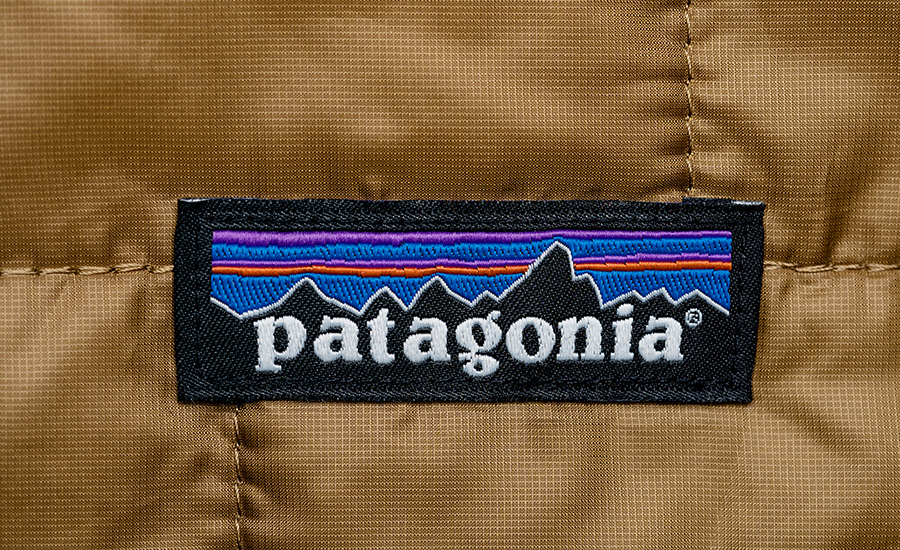
 

Patagonia label
Patagonia uses organic cotton to reduce its footprint.
Photo by Malik Skydsgaard on Unsplash


Companies can address these issues via a holistic, educational approach, which includes, but is not limited to, the following steps:

  • Educate the consumer via campaigns or online resources. Boxed Water has educational content on its website about the importance of sustainable packaging.
  • Provide examples of how it is addressing a range of environmental concerns. Patagonia discusses its vast footprint and the changes it is making to reduce it.
  • Improve sustainability labeling. Cocokind has added a sustainability panel to its packaging which includes lifecycle details of the product.
  • Understand how end-users recycle and make it easier for them to do so. Brita provides a free shipping label to send the company used filters which are then converted into 100% recycled items.

Responding to an Evolving Regulatory Landscape

The U.S. does not have a federal recycling program, but individual communities develop their own programs best suited for their needs. Programs have been widely adopted, as 94% of the country has a recycling program.2 However, this leads to a more fragmented system, often with uneven access and unequal services. This lack of convenient recycling options has led to the re-emergence of a familiar pattern: 94% of Americans support recycling, but only about 35% recycle.2 Additionally, funding for collection and transportation of recyclables has been insignificant since China stopped accepting imports in 2017. Recycling has been largely sent to landfills or incinerators. Legislators have been increasingly concerned about the ecological and social impacts of this situation.

 

Egg carton
Some grocery retailers, like Wegmans, are using 100% post-consumer recycled paper products for its egg cartons.
Photo by Debby Hudson on Unsplash


One legislative solution to alleviate this problem is extended producer responsibility (EPR). EPR is a policy approach that assigns responsibility to the packaging producers for product end-of-life, including financial and/or operational commitments. Some believe EPR is at odds with the current recycling system, but proponents believe it can be tailored appropriately to different states or communities. Because the producer is responsible for collecting, sorting and recycling, they are incentivized to make packaging easier to process at end-of-life. This could lead to clearer labeling, more sustainable raw materials and an acknowledgement of how consumers recycle. Maine is the first state to implement an EPR program, while Oregon and Washington have already passed EPR bills.3 Six other states have introduced EPR bills to their local governments.3

Responding to Innovation

  • Biobased innovation — As research continues to uncover new possibilities in sustainable packaging, processes and designs become optimized. Aalto University in Finland is developing a new smart foam made out of lignin, wood fiber and nanoclay. This material has the potential to replace bubble wrap and Styrofoam, retaining adequate strength, flexibility and resistance to heat. Grocery retailer Wegmans recently converted all egg cartons from polystyrene foam to 100% post-consumer recycled paper products. Department store Harrods is converting all plastic bags to 100% recyclable, sustainably sourced paper bags, made from 40% recycled materials.
  • Emissions transparency — Advancements in environmental science have enabled companies to accurately publicize carbon footprint data and conduct lifecycle analyses on their products and operations. This builds public trust and transparency in the supply chain. It also helps companies set benchmarks to hold themselves accountable.

Consumers should continue to challenge companies to improve the sustainability of their packaging by holding them accountable. Pushing producers to provide clear, digestible sustainability information will help consumers make quick purchasing decisions and foster trust. Consumer buying power and active participation in educational discourse are strong forces we can all use to help build a more sustainable future.

Nathan Pajka, sustainability specialist, Metsӓ Board, Americas, works in tandem with the product safety and sustainability team in Finland to translate the team’s objectives to the Americas and serve as their sustainability expert in the region. Based in the Norwalk, Conn., office, he is responsible for providing sustainability data, information, and education to help clients reduce the environmental impact of their packaging. Before joining Metsӓ, he worked for one of the largest healthcare companies in Massachusetts as well as serving as a sustainability ambassador for one of the largest utilities in New England. Nathan holds an MBA in sustainability and social change and an MS in environmental science and policy from Clark University, Worcester, Mass. Contact him at Nathan.pajka@metsagroup.com.


References:

  1. https://www.mckinsey.com/industries/paper-forest-products-and-packaging/our-insights/sustainability-in-packaging-inside-the-minds-of-us-consumers
  2. https://www.forbes.com/sites/blakemorgan/2021/04/21/why-is-it-so-hard-to-recycle/?sh=28e315ae3b77
  3. https://epr.sustainablepackaging.org/policie
KEYWORDS: beauty packaging biobased materials food and beverage packaging recycled packaging materials TerraCycle

Share This Story

Looking for a reprint of this article?
From high-res PDFs to custom plaques, order your copy today!
Recommended Content

JOIN TODAY
to unlock your recommendations.

Already have an account? Sign In

  • Golden award trophy in the shape of a star. Text: 2026 Top 100 Food and Beverage Companies

    Top 100 Food and Beverage Packaging Companies of 2026

    Celebrating 30 years as a B2B journalist, I’ve revisited...
    Special Reports
    By: Brad Addington
  • Women In Packaging 2025 homepage hero

    Women in Packaging: Seizing Opportunities, Pushing Boundaries

    Seven women share their personal journeys in the...
    Materials
    By: Brad Addington
  • Image of the Spyder Pick and Place Joint Robot sorting pre-rolls.

    Cannabis Packaging Goes High-Tech

    Packaging Strategies doesn't often cover cannabis...
    Machinery
    By: Brad Addington
Subscription Center
  • eMagazine Subscription
  • Manage My Preferences
  • Newsletters
  • Subscription Customer Service
  • Online Registration

More Videos

Sponsored Content

Sponsored Content is a special paid section where industry companies provide high quality, objective, non-commercial content around topics of interest to the Packaging Strategies audience. All Sponsored Content is supplied by the advertising company and any opinions expressed in this article are those of the author and not necessarily reflect the views of Packaging Strategies or its parent company, BNP Media. Interested in participating in our Sponsored Content section? Contact your local rep!

close
  • Hand Holding Various Semaglutide and Insulin Injection Pens for different stages of the treatment.
    Sponsored byInline Plastics

    How GLP-1 Is Reshaping Food Packaging, and Why It Matters More Than You Think

  • A stack of clear plastic containers, the bottom full of mixed fruit
    Sponsored byInline Plastics

    Packaging Trends Shaping 2026: Where Trust Is Won

Popular Stories

Podcast | Packaging EPR’s 2026 Reality Check” with guest Anna Kendall headshot and title. Also pictured Cardboard boxes on conveyor belt.

PODCAST | Packaging EPR’s 2026 Reality Check

Main image for podcast with Kevin Kelly regarding Flexible Packaging for Produce. Main image includes Kevin Kelly’s headshot and an image of potatoes in a bag incorporating 30% PCR content.

Looking Forward to Global Pouch Forum

Logo for New Earth Ventures

Atlantic Packaging Launches New Earth Ventures to Accelerate Packaging Technology

See the Top 100 Food and Beverage Packaging Companies of 2026

Products

Advances in Sustainable Food Packaging Technology

Advances in Sustainable Food Packaging Technology

See More Products

Packaging Perspectives Podcast

Play Packaging Strategies' captivating WordPlay game, PackStrat! There's a new word every Tuesday.

Related Articles

  • Getting a Leg Up: Top Beverage Packaging Design Trends for 2018

    The Road to Reaching Sustainability Goals

    See More
  • Target announces 5 new sustainable packaging goals

    Target announces packaging sustainability goals

    See More
  • Clean Cult paper-based packaging for cleaning products

    VIDEO | Clean Cult’s Road to Paper-Based Packaging

    See More

Events

View AllSubmit An Event
  • October 15, 2025

    Coatings and Heat Seal Technologies Enabling the Paperization of Packaging

    On Demand Explore how the packaging industry’s move toward fiber-based materials is being supported by new coatings and heat seal solutions that improve recyclability, functionality, and sustainability.
View AllSubmit An Event
×

Keep the info flowing with our Newsletters!

Get the latest industry updates tailored your way.

JOIN TODAY!
  • RESOURCES
    • Advertise
    • Contact Us
    • Directories
    • Store
    • Want More
  • SIGN UP TODAY
    • Create Account
    • eMagazine
    • Newsletter
    • Customer Service
    • Manage Preferences
  • SERVICES
    • Marketing Services
    • Reprints
    • Market Research
    • List Rental
    • Survey/Respondent Access
  • STAY CONNECTED
    • LinkedIn
    • Facebook
    • YouTube
    • X (Twitter)
  • PRIVACY
    • PRIVACY POLICY
    • TERMS & CONDITIONS
    • DO NOT SELL MY PERSONAL INFORMATION
    • PRIVACY REQUEST
    • ACCESSIBILITY

Copyright ©2026. All Rights Reserved BNP Media, Inc. and BNP Media II, LLC.

Design, CMS, Hosting & Web Development :: ePublishing