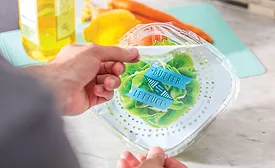
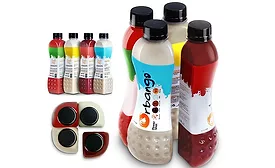
The way food is packaged and marketed is constantly changing, thanks in part to consumer trends, the goal of packaging sustainability and the never-ending fight to reduce food waste. This has resulted in a wide variety of enhancements that continue to evolve.
Baby Boomers living longer than previous generations, coupled with the increase in healthcare options and affordability in emerging economies around the world, are contributing to the increasing demand for disposable instruments in the healthcare industry.
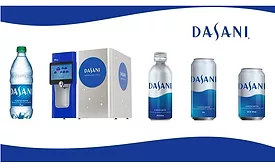
Water brand DASANI announced sustainable packaging innovations in support of The Coca-Cola Company’s global “World Without Waste” goal to make its bottles and cans with an average of 50% recycled material by 2030. Updates to DASANI’s packaging line-up include the HybridBottle.
Nearly all of the world's countries have agreed on a deal to better manage polluting plastic waste, except the U.S., United Nations environmental officials recently stated.
The World Packaging Organisation has announced the 189 winners of the WorldStar Packaging Awards 2019. The three countries most awarded are Japan, with 26 awards for the second year running, followed by Turkey, taking 22 and China, 21.
Growth in e-commerce is dramatically changing supply chain dynamics and as any online shopper will attest, more corrugated boxes are ending up in consumers’ garages than ever before.
The challenges for today’s food manufacturing market and the five S’s to consider when choosing packaging: sustainability, shelf-life, size, shape and smart labels.
From products sold bare to compostable paper and reusable containers, beauty brands are making the move toward more sustainable and eco-friendly packaging options. We can thank the millennial generation, as well as the Generation Z up-and-comers, for pushing this movement.