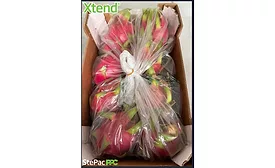
StePacPPC’s technical experts adapted the company’s advanced Xtend® Modified Atmosphere/Modified Humidity (MA/MH) bulk packaging films to accommodate the unique postharvest requirements of pitaya so that the exotic fruit reaches customers in peak quality and appearance.
CPMA says this latest evidence underscores the need for regulations that reward functionality and demonstrably positive environmental outcomes, rather than penalizing materials without considering the consequences.
Each PCR film structure developed by Fox undergoes rigorous testing for strength, seal integrity, and print quality to ensure the same dependable performance as virgin materials.
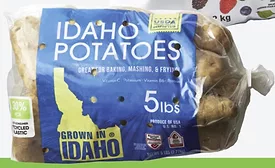
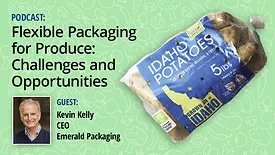
Fresh off a successful collaboration with Walmart to get potato packaging with PCR content onto store shelves, Kevin Kelly of Emerald Packaging talks about the challenges of getting sustainable flexible packaging into the market.
Box is made with around 40% recycled fiber and up to 10% less weight than the previous design—helping to lower emissions during transport without compromising fruit protection.
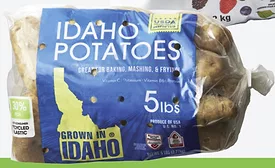
The product was developed in direct response to Walmart’s goal to reduce packaging waste via Project Gigaton, which is an initiative to reduce or avoid one billion metric tons of greenhouse gas emissions from the global value chain by 2030.
Roadmap calls for a shift in perspective, urging the produce industry, retailers, and policymakers to recognize that packaging plays a critical role in ensuring food safety and extending shelf life.
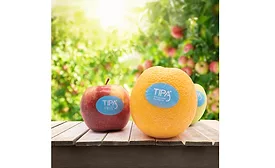
Developed in collaboration with Bio4Life, the produce label helps achieve zero-waste goals, align with compostability policies, and meet food safety standards.
The USDA's Foreign Agricultural Service has awarded 21 research grants for produce packaging with the aim of helping U.S. farmers meet foreign requirements and maintain market access for U.S. exports.
 RSS
RSS